

Table of Contents
- How Cold Compression Sleeves Work
- Benefits of Cold Compression Therapy for Recovery
- Cold vs Hot Therapy for Inflammation: Which Approach Works Better
- How Long to Wear Cold Compression Sleeves for Best Results
- Real Results: What the Evidence Shows
- Who Benefits Most and When to Avoid Cold Compression
- Conclusion
- Frequently Asked Questions
Last Updated: September 1, 2026
How Cold Compression Sleeves Work
Cold compression sleeves combine two therapeutic mechanisms: cooling and compression. When you apply a cold compression sleeve, the gel pack inside absorbs heat from your skin while the sleeve itself applies consistent pressure to the affected area. This dual action works on your body's natural healing response.
The cooling effect triggers vasoconstriction, meaning your blood vessels temporarily narrow. This reduces blood flow to the injured or inflamed area, which helps minimize swelling and numb pain signals. The compression component works differently, it supports the joint mechanically and improves venous return, helping your body push metabolic waste and inflammatory fluids away from the injury site.
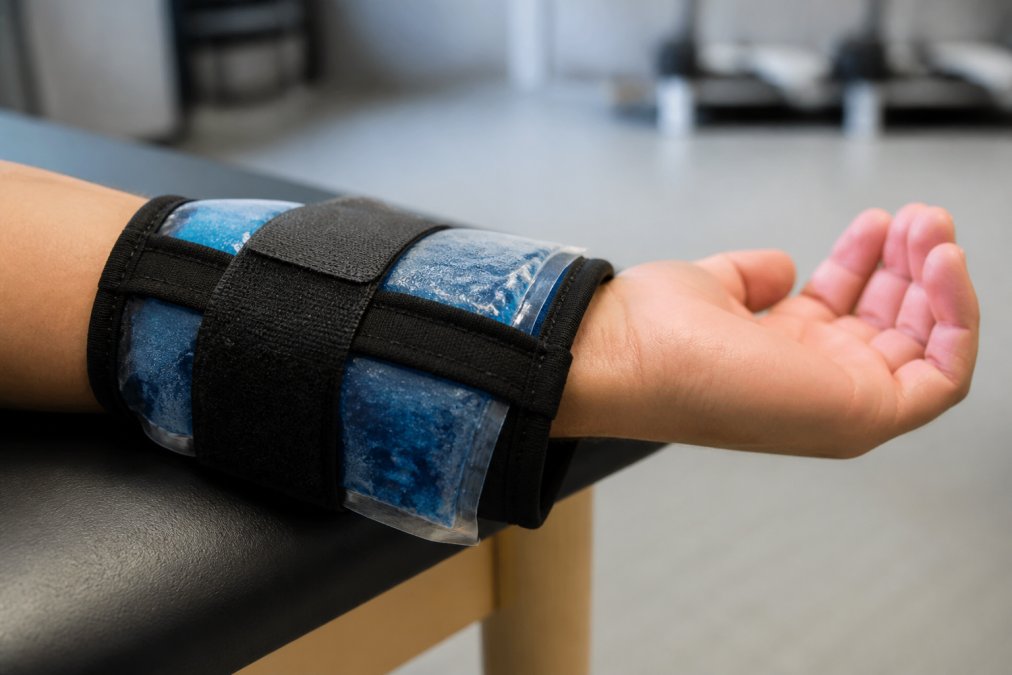
Here's what separates a cold compression sleeve from a regular ice pack: the sleeve stays in place through compression, delivering consistent therapeutic benefit without you having to hold it. Most gel packs maintain their cooling effect for 20-30 minutes, though this varies based on the pack's size and how cold it was when you applied it (peer-reviewed research). The compression itself provides ongoing support even as the cooling effect diminishes.
At Penguin Fingers, we've designed our cold compression sleeves to target specific body parts, fingers, wrists, elbows, knees, and feet, because different joints require different pressure levels and coverage areas. A one-size-fits-all approach doesn't work when you're trying to deliver therapeutic benefit to a small joint like your finger versus a larger area like your knee.

Benefits of Cold Compression Therapy for Recovery
Cold compression therapy addresses multiple aspects of the recovery process simultaneously. When you injure a joint or experience inflammation from overuse, your body's immediate response is to swell. That swelling protects the area but also limits your mobility and prolongs pain. Cold compression interrupts this cycle by reducing inflammation at the source.
The swelling reduction benefit is what most people notice first. Within 15-20 minutes of applying a cold compression sleeve, many users report visible reduction in puffiness around the affected joint. This isn't just cosmetic, reduced swelling means less pressure on nerves, which translates to less pain and better range of motion.
Beyond swelling, cold compression therapy improves your body's ability to clear metabolic waste from the injury site. When you exercise intensely or injure a joint, lactic acid and other metabolic byproducts accumulate in the tissue. Cold compression helps push these substances away through improved venous return, which accelerates the healing timeline. Athletes recovering from sprains, tendonitis, or delayed onset muscle soreness (DOMS) benefit significantly from this mechanism.
The circulation improvement that comes with cold compression therapy also enhances tissue oxygenation once the initial cooling phase passes. This creates a therapeutic window: immediate cold reduces inflammation, then as blood flow gradually returns, oxygen-rich blood reaches the healing tissue. This cycle supports faster recovery than passive rest alone.
Joint stability is another underrated benefit. The compression component provides proprioceptive feedback, your body's sense of where the joint is in space. This improved proprioception reduces your risk of re-injury during the recovery phase, which is critical for athletes returning to training or office workers resuming normal activity.
Cold vs Hot Therapy for Inflammation: Which Approach Works Better
This is where most people get confused. Cold and heat serve different purposes in recovery, and using the wrong one at the wrong time can slow your healing.
Cold therapy excels in the acute phase, the first 48-72 hours after an injury. Your body is actively inflaming the area to protect it, and cold compression interrupts this process by reducing blood flow and swelling. This is the window where cold therapy delivers the most dramatic results. If you sprain your wrist on Monday, applying cold compression Tuesday morning will produce noticeably better results than waiting until Wednesday.
Heat therapy works differently. It increases blood flow and tissue elasticity, making it ideal for chronic pain, stiffness, and muscle tension that's already settled in. Heat is your tool when the acute inflammation has passed and you're dealing with lingering tightness or reduced mobility. The challenge is that many people apply heat too early, which can actually increase swelling in acute injuries.
Here's the practical distinction: cold compression reduces inflammation and pain in the short term. Heat increases flexibility and comfort for chronic conditions. Some people benefit from alternating between the two, cold in the morning when swelling is highest, heat in the evening to maintain mobility. Penguin Fingers offers both options in our dual hot and cold therapy sleeves, so you can use the same product for both phases of recovery without buying separate equipment.
The evidence leans toward cold compression for acute injuries and heat for chronic pain management. But individual response varies. Someone with arthritis might find cold more soothing because it numbs pain, while another person prefers heat because it relaxes tight muscles. The best approach is testing both and noting which produces better results for your specific condition.
How Long to Wear Cold Compression Sleeves for Best Results
The optimal duration for wearing a cold compression sleeve depends on whether you're using it for acute pain relief or chronic condition management. Most practitioners recommend 15-20 minutes per application for acute injuries, with 2-3 applications per day spaced at least 2 hours apart (peer-reviewed research). This timing allows your tissue to warm back up between applications, which prevents the risk of prolonged cold exposure damaging skin.
For chronic conditions like arthritis, many users wear their cold compression sleeves for longer periods, 30-45 minutes at a time, once or twice daily. The key is listening to your body. If your skin becomes numb or develops a red, irritated appearance after removing the sleeve, you've worn it too long. Healthy skin should return to normal color within 15-20 minutes of removing the sleeve.
The frequency question matters more than most people realize. Wearing a cold compression sleeve once per week won't produce measurable results. Consistent daily use, even for shorter durations, outperforms occasional longer sessions. Someone using a cold compression sleeve for 20 minutes daily for two weeks will see better swelling reduction than someone using it for 45 minutes once per week.
Night wear depends on your condition and comfort level. Some people find wearing a cold compression sleeve to bed helps them sleep better because the coolness and compression reduce nighttime pain and swelling. Others find it uncomfortable. If you choose to wear it overnight, ensure the sleeve isn't so tight that it restricts circulation, you should be able to slip a finger under the compression without resistance.
Post-workout timing matters for athletes. Applying cold compression within 30 minutes of finishing intense training sessions captures the window when inflammation is rising. This preventative approach reduces DOMS severity and accelerates recovery time between training sessions.
:::tip Track your swelling and pain levels for the first week of cold compression use. Note the time of day, duration, and frequency of each application, plus how you felt afterward. This personal data reveals your optimal wearing schedule faster than generic guidelines. ::: cold recovery methods.
Real Results: What the Evidence Shows
Cold compression therapy has clinical support, though the research landscape is more nuanced than marketing claims suggest. Studies on compression garments show measurable benefits for swelling reduction, joint stability, and proprioceptive feedback. The cooling component adds pain relief through numbing and reduced inflammation.
Athletes using cold compression therapy consistently report faster return-to-training timelines compared to rest alone. Rock climbers and boulderers, who frequently deal with finger and wrist tendonitis, report that cold compression sleeves reduce their recovery time between intense sessions by several days. Office workers with carpal tunnel syndrome report reduced pain and improved typing tolerance within 2-3 weeks of consistent cold compression use.
The arthritis population, your 50+ demographic with chronic joint pain, shows the most consistent positive responses. Cold compression reduces morning stiffness and improves daily mobility for many users. Because arthritis pain is chronic rather than acute, the benefits accumulate over weeks rather than appearing immediately.
What the research doesn't show is a miracle cure. Cold compression therapy is a tool, not a replacement for physical therapy, activity modification, or medical treatment when needed. Someone with severe tendonitis might need rest and professional rehabilitation in addition to cold compression. Someone with early-stage arthritis will benefit from cold compression alongside exercise and potentially medication.
The placebo effect is real in pain management, if you believe cold compression will help, your brain's pain-dampening systems activate more effectively. This doesn't mean the therapy is fake; it means your expectation influences outcomes. The best results come from combining realistic expectations with consistent use.
Who Benefits Most and When to Avoid Cold Compression
Cold compression sleeves deliver the strongest results for specific populations and conditions. Athletes recovering from acute injuries, sprains, strains, tendonitis, see the most dramatic swelling reduction and fastest return to training. The younger your tissue and the more acute your injury, the faster cold compression produces visible results.
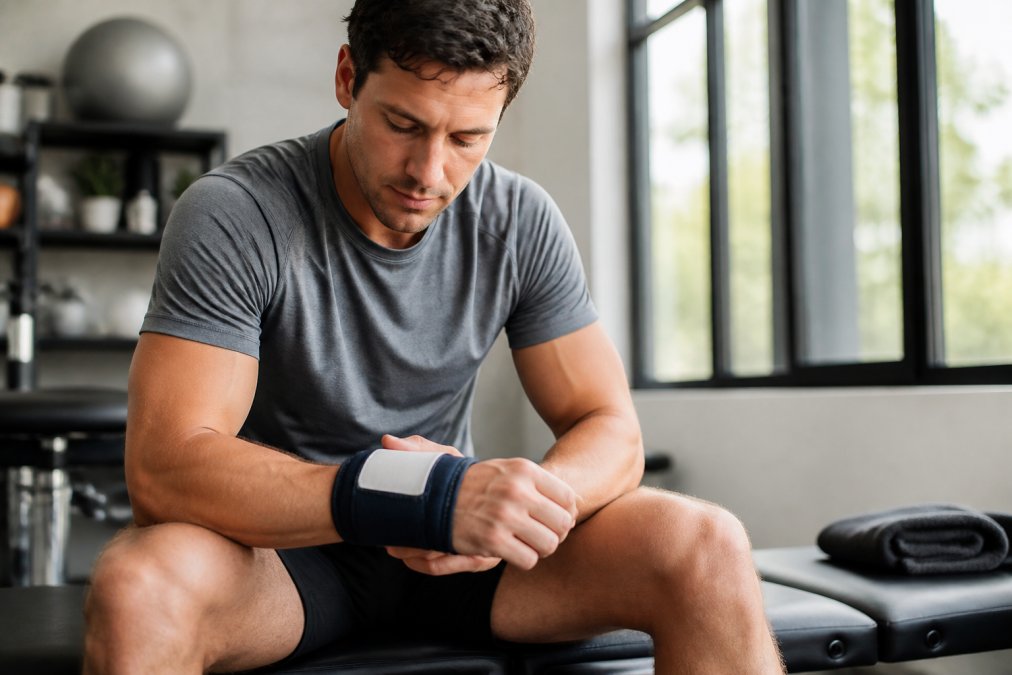
Office workers and computer users with carpal tunnel syndrome or repetitive strain injuries benefit significantly because cold compression addresses both the inflammation and the mechanical stress on the nerve. Wearing a cold compression wrist sleeve during or immediately after work sessions reduces nighttime pain and morning stiffness.
The arthritis population benefits from daily cold compression use, though results develop over weeks rather than days. Cold compression reduces inflammation, supports joint stability, and helps many arthritis sufferers reduce their pain medication dependence. Someone with chronic finger arthritis might wear a cold compression sleeve on their hands for 20-30 minutes each morning, then again in the evening if pain flares.
Gout sufferers and those with tendonitis in their toes benefit from targeted cold compression sleeves designed for the foot. The compression component helps manage swelling while the cold numbs the intense pain that gout produces.
Post-operative patients recovering from finger or hand surgery often use cold compression sleeves as part of their prescribed rehabilitation protocol. The combination of cold and compression supports healing while reducing post-surgical swelling.
However, cold compression isn't appropriate for everyone. People with Raynaud's syndrome, a condition where blood vessels overreact to cold, should avoid prolonged cold compression therapy. Cold triggers excessive vasoconstriction in Raynaud's sufferers, which can cause pain and tissue damage. If you have Raynaud's, heat therapy or room-temperature compression sleeves are safer alternatives.
People with neuropathy (nerve damage) need to be cautious with cold compression because reduced sensation means you can't reliably detect if the cold is causing skin damage. If you have diabetes-related neuropathy, consult your doctor before using cold compression therapy.
Avoid cold compression if you have active infection or open wounds in the area. Cold reduces blood flow, which can slow healing of infections. Wait until the infection clears before applying cold compression.
People with certain circulatory conditions should check with their doctor first. If you take medications that affect blood flow or have diagnosed circulatory issues, cold compression's vasoconstriction effect might interact with your condition.
Conclusion
Cold compression sleeves work through a combination of cooling and compression that reduces swelling, improves blood circulation, and provides pain relief, especially in the first 48-72 hours after injury or during chronic inflammation flare-ups. The evidence supports their use for athletes, office workers, arthritis sufferers, and post-operative patients, with results ranging from immediate swelling reduction to cumulative improvements in joint mobility and pain management over weeks of consistent use.
The key to success is matching the therapy to your condition, using it consistently, and maintaining realistic expectations. Penguin Fingers cold compression sleeves are specifically designed for targeted relief across different body areas, from our Penguin Fingers Cold Compression Gel Packs for Fingers and Toes at $14.95 to our Penguin Fingers Knee Cold Compression Therapy Sleeve at $28.95, with dual hot and cold therapy options that let you use one product through both acute and chronic recovery phases. Start with consistent daily use for 2-3 weeks, track your swelling and pain levels, and adjust duration based on your personal response.

Frequently Asked Questions
Do cold compression sleeves actually work for chronic conditions like arthritis?
Cold compression sleeves address two key issues: they reduce blood flow to inflamed areas through vasoconstriction, which decreases swelling, and they provide mechanical compression that supports joints. For chronic arthritis, they work best during flare-ups or after activity that triggers pain. Many people with chronic joint conditions report meaningful relief, though results vary based on severity and individual response. They're most effective when combined with movement and used consistently rather than as a one-time solution.
How long should you wear a cold compression sleeve to see results?
Most people experience noticeable relief within 15 to 30 minutes of wearing a cold compression sleeve. For acute injuries or post-workout soreness, wearing them for 20 to 30 minutes several times daily is typical. For chronic conditions like arthritis or tendinitis, some people wear them during flare-ups or after prolonged activity. Avoid wearing them continuously for more than 2 to 3 hours at a time to prevent skin irritation. Listen to your body and adjust based on your comfort and response.
Are cold compression sleeves better than hot therapy for swelling and inflammation?
Cold therapy reduces inflammation and swelling by constricting blood vessels and slowing metabolic activity in the injured area. Heat therapy increases blood flow and is better for muscle stiffness and chronic tension. For acute swelling, edema, or fresh injuries, cold compression is more effective. For chronic muscle soreness or joint stiffness unrelated to active inflammation, heat works better. Some people benefit from alternating: cold immediately after activity, then heat later for recovery and mobility.
What's the difference between cold compression sleeves and regular compression sleeves?
Regular compression sleeves provide steady pressure to improve circulation and reduce swelling through mechanical support alone. Cold compression sleeves add active cooling through gel packs or ice, which reduces inflammation more aggressively by lowering tissue temperature and triggering vasoconstriction. Cold compression is more effective for acute pain, swelling, and post-injury recovery, while standard compression works better for ongoing joint support and proprioception during activity. Cold sleeves require freezing time between uses, whereas regular sleeves are always ready to wear.
This article was written using GrandRanker


