

Table of Contents
- How Cold Compression Sleeves Work for Wrist Pain
- Benefits of Compression for Carpal Tunnel and Other Conditions
- Cold Therapy vs Heat Therapy for Wrist Pain
- How Long to Ice Wrist for Tendonitis and Other Injuries
- Top Wrist Cold Compression Sleeves for Pain Relief
- Sizing, Fit, and Safety Considerations
- Integration with Physical Therapy and Recovery
- Conclusion
Last Updated: August 14, 2026
How Cold Compression Sleeves Work for Wrist Pain
Cold compression sleeves combine controlled cooling and targeted compression support. The cold reduces blood flow to the injured area, decreasing swelling and numbing pain signals, while compression stabilizes the joint and reduces fluid accumulation. This dual action addresses both acute inflammation and chronic discomfort.
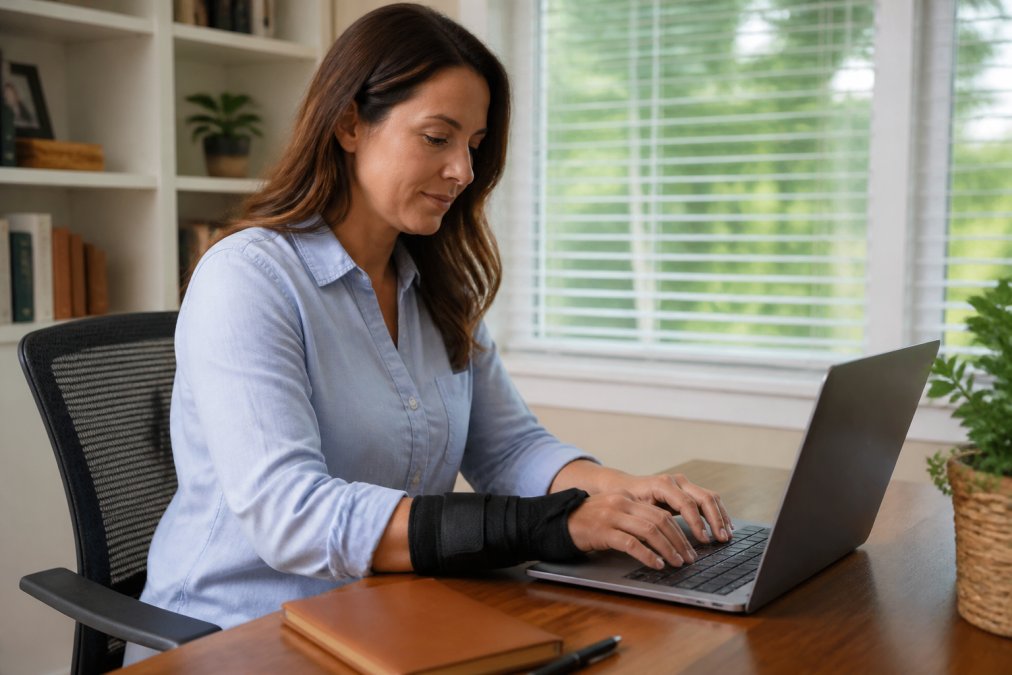
Cold therapy works best in the first 48-72 hours after injury. For chronic conditions like arthritis or tendonitis, regular cold compression sessions provide anti-inflammatory benefits without medication.
Penguin Fingers wrist cold compression sleeves are engineered with medical-grade compression materials and flexible gel packs that conform to the wrist's natural anatomy. Unlike generic ice packs, these sleeves maintain consistent therapeutic cooling for extended periods while allowing light activities. Most users apply them for 15-20 minutes at a time, several times daily during acute flare-ups. The breathable fabric prevents skin irritation, and reusable gel packs eliminate the mess of traditional ice.

Benefits of Compression for Carpal Tunnel and Other Conditions
Compression sleeves deliver measurable relief across multiple wrist conditions by reducing inflammation, stabilizing the joint, and improving circulation.
Carpal Tunnel Syndrome Relief
Carpal tunnel syndrome develops when the median nerve becomes compressed as it passes through the wrist. Cold compression therapy reduces swelling around the nerve, easing pressure and pain while preventing excessive wrist motion that aggravates it. Many office workers find that wearing cold compression sleeves during work hours prevents pain escalation throughout the day. The ergonomic design allows typing and mouse use without removal.
Compression addresses the root cause, nerve compression and inflammation, rather than just masking pain. Regular use combined with ergonomic adjustments often reduces the need for more invasive treatments.
Arthritis and Tendonitis Management
Rheumatoid and osteoarthritis both involve joint inflammation. Cold compression therapy reduces the inflammatory response, providing relief that can last several hours. For tendonitis, the cold reduces inflammation without medication, and compression stabilizes the tendon during healing. Many arthritis patients report that cold compression works best when combined with gentle movement, applying the sleeve, then doing light stretching improves circulation and prevents stiffness.
Cold Therapy vs Heat Therapy for Wrist Pain
Cold therapy excels at reducing inflammation and numbing acute pain, while heat therapy improves circulation and eases muscle tension. Cold compression is the gold standard for the first 48-72 hours after injury. After the acute phase, many people alternate between cold and heat depending on activity level and pain pattern.
For chronic conditions like arthritis, many practitioners recommend a cold-heat cycle: apply cold compression for 15-20 minutes to reduce inflammation, then use heat to improve circulation and ease stiffness. Office workers often benefit from cold compression during work hours (when inflammation builds) and heat therapy in the evening (to ease muscle tension).
Penguin Fingers offers both cold and heat therapy options, allowing you to switch between modalities based on your needs.
How Long to Ice Wrist for Tendonitis and Other Injuries
Most practitioners recommend 15-20 minute sessions as the standard approach. This timeframe provides sufficient cooling to reduce inflammation without risking skin damage or excessive numbness.
For acute tendonitis (first 48-72 hours), apply cold compression every 2-3 hours during waking hours. For chronic conditions like arthritis, 15-20 minute sessions 1-3 times daily often provides optimal relief. Many people use cold compression in the morning to reduce overnight stiffness and again in the evening after activity.
Never apply cold compression for longer than 30 minutes continuously. Extended cold exposure can cause nerve damage or frostbite-like injury. If using a reusable gel pack, ensure it's properly insulated with fabric to prevent direct skin contact with extreme cold.
Most users find that 15-20 minute sessions provide maximum benefit without side effects.
Top Wrist Cold Compression Sleeves for Pain Relief
The market includes several cold compression options, but they vary significantly in design, durability, and therapeutic effectiveness.
Penguin Fingers Wrist Cold Compression Pack
Penguin Fingers delivers targeted relief with their wrist cold compression pack, engineered specifically for carpal tunnel, tendonitis, and arthritis pain. The sleeve features flexible gel packs that conform to your wrist's natural anatomy, ensuring 360-degree coverage and consistent contact with the affected area. The medical-grade compression provides firm but comfortable support without restricting blood flow.
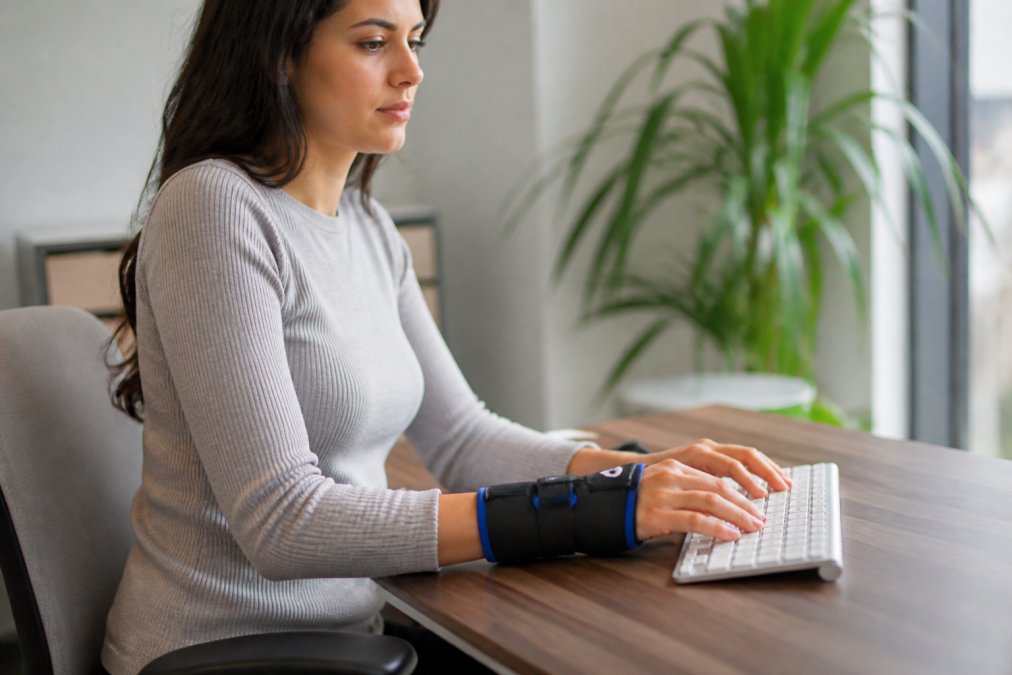
The dual-action approach delivers therapeutic cooling while compression zone technology stabilizes the wrist joint. The breathable, moisture-wicking fabric prevents skin irritation during extended wear, and the reusable gel pack eliminates ongoing costs. At $16.95, it's priced competitively for a medical-grade product.
The Penguin Fingers sleeve works well for office workers, athletes, and anyone managing chronic wrist pain. The design allows full wrist mobility for typing, gripping, or light activities. Many users apply it during work hours to prevent pain escalation, then use it again in the evening for recovery.
Where it excels: The anatomical fit and consistent cooling make it ideal for daily use. The reusable gel pack is cost-effective over time, and the sleeve is durable for repeated use over months. For people with carpal tunnel or repetitive strain injuries, this is the best option for ongoing pain management.
What to watch: The gel pack requires refrigeration between uses. Some users with sensitive skin prefer additional padding between the gel pack and skin, though the fabric layer typically provides adequate insulation.
Gel-Based vs Air-Compression Systems
Cold compression sleeves use two primary technologies: gel-based systems and air-compression systems.
Gel-based systems use reusable gel packs that you freeze and insert into the sleeve. They provide consistent, deep cooling that penetrates the joint effectively and retain cold for 20-30 minutes. The main limitation is the need for refrigeration and prep time.
Air-compression systems use mechanical pumps to create adjustable pressure around the wrist. They don't provide cold therapy directly but use compression and improved circulation to reduce inflammation. Some advanced models combine air compression with cooling, though these are significantly more expensive.
For most users managing wrist pain at home, gel-based systems are more practical. They require no batteries or electricity, work immediately (if you keep gel packs frozen), and provide the deep cooling most people find most effective. Gel packs are also more affordable than air-compression equipment.
The choice depends on your priorities: if you want maximum anti-inflammatory benefit, gel-based systems win. If you need adjustable compression and are willing to pay more, air-compression systems offer additional control.
Sizing, Fit, and Safety Considerations
Proper sizing ensures the sleeve provides therapeutic compression without cutting off circulation. Measure your wrist at the point where you'd normally wear a watch, approximately one inch above the wrist crease, and compare to the manufacturer's sizing chart.
When you first put on a cold compression sleeve, you should feel firm but comfortable pressure. Your hand should remain warm and pink, never cold or pale. If you experience tingling or numbness within the first few minutes, the sleeve is too tight. Remove it immediately and try a larger size.
The fabric should sit smoothly against your skin without bunching or gaps. Proper positioning places the compression zone directly over the painful area, usually centered on the wrist joint.
If you have sensitive skin, test the sleeve for 10-15 minutes on the first use. Most high-quality sleeves use hypoallergenic materials. For very sensitive skin, applying a thin cloth barrier between the sleeve and skin can prevent irritation while maintaining therapeutic compression.
Integration with Physical Therapy and Recovery
Cold compression therapy is most effective when combined with targeted physical therapy exercises and gradual activity progression. The sleeve reduces inflammation and pain, creating a window of opportunity for rehabilitation work that rebuilds strength and mobility.
A typical recovery protocol combines cold compression with gentle range-of-motion exercises. Apply the sleeve for 15-20 minutes to reduce inflammation, then perform light stretching or mobility work while the area is numb and pain-free.
For carpal tunnel syndrome, cold compression works best alongside ergonomic adjustments and nerve-gliding exercises. The sleeve reduces inflammation around the median nerve, while specific exercises help the nerve move freely through the carpal tunnel.
Athletes recovering from sprains or tendonitis benefit from a progressive protocol: cold compression immediately after activity to manage inflammation, followed by gradual return to training as pain decreases.
Many people find that cold compression therapy reduces their need for pain medication, allowing them to participate in rehabilitation exercises more actively. Penguin Fingers cold compression sleeves support this integrated approach by providing consistent, reusable cold therapy that fits into your daily routine.
Cold compression sleeves for wrist pain address inflammation and provide joint stabilization that many over-the-counter pain relievers cannot match. If you're managing carpal tunnel, tendonitis, arthritis, or recovery from wrist injury, consistent cold compression therapy can significantly reduce pain and improve function.
The Penguin Fingers Wrist Cold Compression Pack delivers medical-grade compression with reusable gel technology, making it a practical choice for daily wrist pain management. Its anatomical design, affordable pricing at $16.95, and effectiveness for multiple conditions make it a strong recommendation for anyone seeking reliable, long-term relief. Get started with Penguin Fingers and experience how targeted cold compression therapy can restore mobility and reduce the inflammation driving your wrist pain.
Frequently Asked Questions
Does cold compression actually help with wrist pain?
Yes. Cold compression therapy reduces inflammation by constricting blood vessels and numbing pain signals, while the compression zone technology stabilizes the wrist joint. This dual action makes cold compression sleeves effective for acute injuries, arthritis flare-ups, and repetitive strain conditions like carpal tunnel syndrome. Many users report noticeable pain reduction within the first few days of consistent use.
How long should you wear a cold compression sleeve on your wrist?
For acute injuries, wear the sleeve 15-20 minutes at a time, several times daily. For chronic conditions like arthritis or tendonitis, many people wear them during flare-ups or throughout the day for comfort. Start with shorter sessions to check skin tolerance, especially if you have sensitive skin. Remove the sleeve if you experience numbness or increased discomfort.
What are the benefits of compression for carpal tunnel syndrome?
Compression sleeves reduce swelling around the median nerve, decrease repetitive strain during work, and provide wrist stabilization that prevents aggravating movements. The medical-grade compression improves circulation while the anatomical fit supports the joint in a neutral position. This combination eases carpal tunnel pain, especially for office workers and computer users who experience symptoms during or after work.
Are cold compression sleeves better than traditional ice packs?
Cold compression sleeves offer advantages over ice packs: they stay in place during activity, provide consistent compression throughout the session, and are more comfortable for extended wear. Ice packs are useful for acute injuries but can be messy and don't provide joint stabilization. Sleeves with flexible gel packs combine cooling with support, making them ideal for conditions requiring both pain relief and wrist stability during daily tasks.
This article was written using GrandRanker


