

Table of Contents
- What Is a Migraine Relief Head Wrap?
- How Cold Therapy Head Wraps Work for Migraines
- Key Features to Look for in a Migraine Relief Head Wrap
- Benefits of Cold Therapy for Migraines
- How Long to Wear a Migraine Ice Cap for Best Results
- Penguin Fingers Cold Migraine Therapy Weighted Head Cap
- Safety Precautions and When Not to Use Cold Therapy
- Frequently Asked Questions
Last Updated: September 2, 2026
What Is a Migraine Relief Head Wrap?
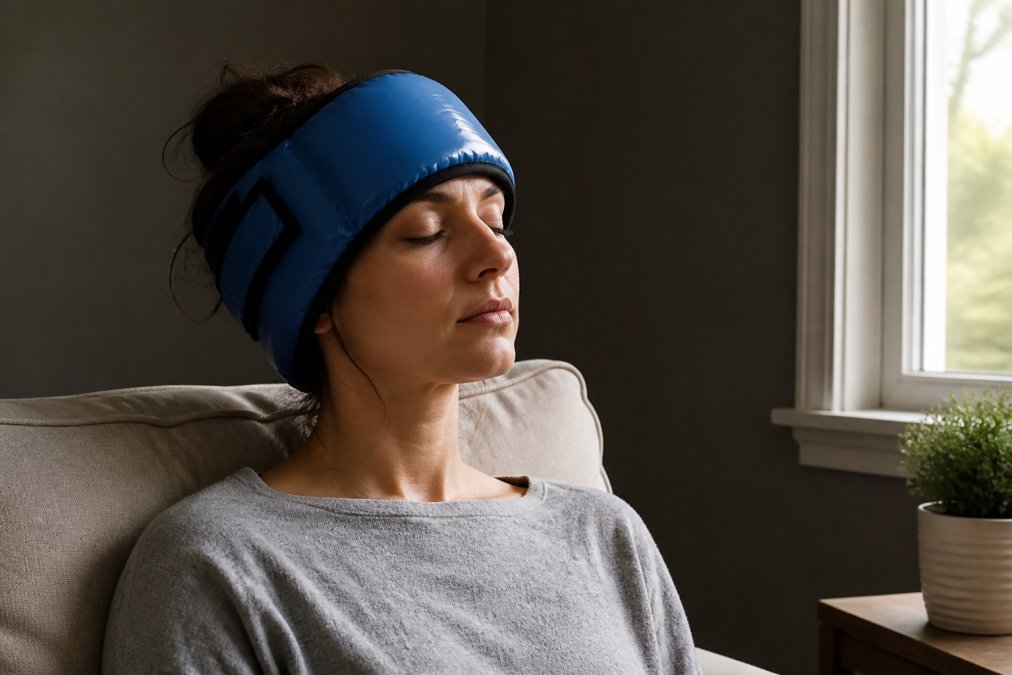
A migraine relief head wrap is a wearable compression device designed to deliver therapeutic cold (or heat) therapy directly to the head, eyes, and temples to reduce migraine pain and associated symptoms like sinus pressure and tension. Unlike standard ice packs, a migraine relief head wrap stays secured around your head, freeing your hands while providing consistent, targeted relief.
The best migraine relief head wrap combines compression therapy with thermal regulation. Compression applies gentle pressure across the head and forehead to reduce blood flow to inflamed areas and ease throbbing pain. When chilled, the wrap triggers vasoconstriction, the narrowing of blood vessels, which many migraine sufferers find provides near-immediate pain reduction. Some designs also offer heat therapy for tension headaches and muscle tightness.
A quality migraine relief head wrap should fit snugly without discomfort, stay in place during movement, and maintain therapeutic temperature long enough for meaningful relief. Stretchy, form-fitting fabrics like neoprene allow the wrap to conform to your head shape while remaining breathable for extended wear.
How Cold Therapy Head Wraps Work for Migraines
Cold therapy head wraps work through two primary mechanisms: vasoconstriction and nerve signal disruption. When you apply cold to the head, blood vessels constrict, reducing blood flow to inflamed tissues. This is crucial because migraines often involve vasodilation, the widening of blood vessels, which increases pressure and pain. Cold therapy reverses this process, interrupting the migraine cycle.
The second mechanism involves slowing nerve conduction. Cold temperatures naturally slow the speed at which nerves transmit pain signals to your brain, producing that immediate numbing sensation. The relief is neurological: your nervous system processes pain signals more slowly, translating to reduced pain perception.
Gel-based cooling wraps maintain therapeutic temperature longer than traditional ice packs because gel retains cold more evenly and doesn't melt as quickly. This sustained cooling matters because migraines require at least 15-30 minutes of consistent cold therapy for meaningful relief (peer-reviewed research).
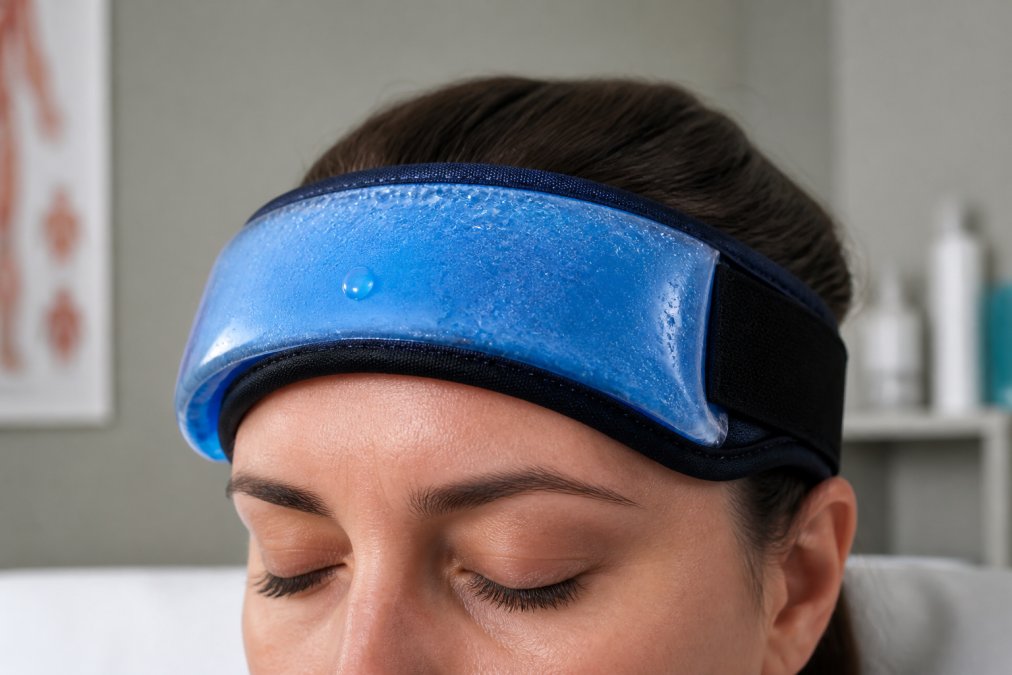
The compression component amplifies this effect by reducing swelling in blood vessels and tissues, further decreasing head pressure. Combined with cold therapy, compression creates a dual-action approach addressing both vascular and inflammatory components of migraines.
Key Features to Look for in a Migraine Relief Head Wrap
When evaluating a migraine relief head wrap, focus on features that directly impact relief quality and wearability. The best migraine relief head wrap provides 360-degree coverage or at least covers the forehead, temples, and back of the head, the three zones where migraine pain typically concentrates. Partial coverage wraps miss critical areas since migraines often radiate across multiple zones simultaneously.
Material composition is critical. Look for skin-safe, hypoallergenic materials like medical-grade neoprene or soft gel packs. Stretchy, form-fitting fabrics allow the wrap to conform to different head sizes without gaps, ensuring consistent compression and contact with relief areas.
Thermal retention matters significantly. The best designs maintain therapeutic temperature for 20-30 minutes of active use. Wraps that warm up in 10 minutes won't provide enough relief time. If you need heat therapy for tension headaches, confirm the wrap offers dual hot/cold capability.
Adjustability is essential. Velcro straps, elastic bands, or adjustable closures allow you to customize fit and comfort while maintaining adequate compression.
Light-blocking capability is valuable for migraine sufferers experiencing photophobia, sensitivity to light. The Penguin Fingers Cold Migraine Therapy Weighted Head Cap includes eye mask coverage that blocks light while delivering therapeutic cold to the eyes and sinus areas.

Durability matters for long-term use. Quality wraps maintain compression and thermal properties for at least a year of regular use and are hand-washable with sealed gel packs that survive repeated freeze-thaw cycles.
Benefits of Cold Therapy for Migraines
Cold therapy offers multiple benefits beyond immediate pain relief. Most users report noticeable relief within 10-15 minutes of applying a cold therapy head wrap, with peak relief around 20-30 minutes (peer-reviewed research). This speed matters when waiting hours for oral medication feels unbearable.
Non-pharmacological relief is significant. If you're already taking migraine medications or prefer to avoid additional pharmaceuticals, cold therapy provides a drug-free alternative. This is especially valuable for people experiencing medication overuse headaches, where frequent pain reliever use paradoxically triggers more frequent migraines.
The gentle compression combined with cold creates a calming effect that many migraine sufferers find psychologically comforting during acute episodes. This physical sensation can reduce anxiety and stress, which are themselves migraine triggers.
Cold therapy also addresses associated symptoms. Beyond primary throbbing pain, migraines often involve sinus pressure, eye pain, and light sensitivity. A quality migraine relief head wrap with eye coverage tackles these secondary symptoms simultaneously.
Another benefit is accessibility. Unlike prescription treatments requiring doctor visits and insurance approval, cold therapy is immediately available and can be used as often as needed without medication limits or side effects.
How Long to Wear a Migraine Ice Cap for Best Results
The optimal duration for wearing a migraine relief head wrap is 15-30 minutes per session (the CDC). Cold therapy effectiveness peaks around the 20-minute mark, achieving maximum vasoconstriction and nerve signal slowdown. Extending beyond 30 minutes provides diminishing returns and increases cold-related skin irritation risk.
For mild migraines or early-stage symptoms, 15-20 minutes is often sufficient. For moderate to severe migraines, the full 20-30 minute duration allows cold therapy to fully interrupt the migraine cascade.
You can safely use a migraine relief head wrap multiple times per day with no daily limit like oral pain medication. However, space sessions by at least 2-3 hours to allow your skin and tissues to return to normal temperature. If you need cold therapy more than three times daily, consult a healthcare provider about underlying migraine patterns.
Apply the wrap as soon as you notice migraine symptoms, ideally within the first 30 minutes. Early intervention is far more effective than waiting until the migraine fully develops.
Some people find alternating between cold and heat therapy extends benefits. After 20-30 minutes of cold therapy, follow up with 10-15 minutes of gentle heat therapy to relax muscles and improve circulation. The Penguin Fingers Cold Migraine Therapy Weighted Head Cap supports this approach with both cold and heat options.
:::tip Set a timer when you put on your migraine relief head wrap. Going over 30 minutes increases discomfort without additional benefit. Most people find that removing the wrap after 25-30 minutes and taking a 10-minute break before reapplying provides better sustained relief.
Penguin Fingers Cold Migraine Therapy Weighted Head Cap
The Penguin Fingers Cold Migraine Therapy Weighted Head Cap stands out as a purpose-built solution for migraine sufferers seeking non-pharmacological relief. At $24.95, it's an affordable option that doesn't compromise on quality or functionality.
The wrap features warm and cold therapy capability, eliminating the need for separate products. The design includes 360-degree head coverage with dedicated eye mask components, addressing both primary migraine pain and light sensitivity. The stretchy, form-fitting neoprene material conforms to different head sizes without requiring multiple size options and stays in place during movement.
The weighted design amplifies compression benefits by providing deeper therapeutic pressure than standard wraps. This is especially valuable for tension headaches coexisting with migraines, as the weight helps relax tight muscles around the neck and shoulders.
The gel-based cooling system maintains therapeutic temperature for 25-30 minutes of active use, aligning with recommended usage windows. The gel doesn't leak or crack under normal use, and the wrap is hand-washable. The neoprene material is skin-safe and hypoallergenic for extended wear without irritation.
Penguin Fingers engineered this wrap to address real migraine sufferer needs: light blocking, sinus pressure relief, and hands-free wearability during acute episodes. The price point makes it accessible compared to prescription treatments or expensive medical devices while rivaling far more expensive alternatives in functionality.
Safety Precautions and When Not to Use Cold Therapy
While cold therapy is generally safe and well-tolerated, certain situations warrant caution. Never apply extreme cold directly to bare skin. Quality wraps include built-in fabric barriers, but limit continuous use to 30 minutes maximum per session.
Avoid cold therapy if you have vasculitis, Raynaud's phenomenon, or other vascular conditions where vasoconstriction could be harmful. Cold therapy works by narrowing blood vessels; if your condition involves compromised blood flow, the therapeutic mechanism becomes a liability. Consult your healthcare provider before using cold therapy with any diagnosed vascular condition.
People with cold urticaria, an allergic reaction to cold exposure, should avoid cold therapy entirely. This condition causes hives and swelling with cold exposure, making a cold migraine relief head wrap counterproductive and potentially dangerous.
If you have recent head or face trauma, skull fractures, or concussions, check with your doctor before using cold therapy. While cold itself won't worsen these conditions, compression and vasoconstriction might complicate healing in some cases.
Pregnancy considerations exist, though they're not absolute contraindications. Cold therapy to the head during pregnancy is generally considered safe, but some practitioners recommend limiting it to 15-20 minutes per session and avoiding it during the first trimester. Discuss this with your obstetrician.
Numbness or tingling in the face or head after applying a migraine relief head wrap warrants stopping use immediately. Remove the wrap and allow your skin to return to normal temperature.
If you experience increased migraine frequency or severity after starting cold therapy, discontinue use and consult a healthcare provider. Cold therapy isn't universal; what works for most people might not work for you.
Finding the right migraine relief head wrap can significantly reduce your dependence on medication and provide fast, accessible relief during acute episodes. The Penguin Fingers Cold Migraine Therapy Weighted Head Cap delivers proven cold and heat therapy in an affordable, durable design that addresses the full spectrum of migraine symptoms, from throbbing pain to light sensitivity to sinus pressure. With proper use and realistic expectations about timing and duration, cold therapy becomes a reliable tool in your migraine management toolkit. Start with a single session during your next migraine to see how your body responds, then adjust frequency and duration based on your results.
Frequently Asked Questions
Can a migraine relief head wrap really reduce migraine pain?
Yes. Cold therapy head wraps work by reducing blood flow to the head through vasoconstriction, which slows nerve conduction and decreases the intensity of migraine pain. The compression and light-blocking design also help ease tension and sinus pressure. Many users report noticeable relief within 15-30 minutes of use, especially when combined with rest in a dark, quiet space.
How long should you wear a migraine ice cap for best results?
Most migraine relief caps work best when worn for 15-30 minutes at a time. Start with 15 minutes to assess your comfort level, then extend to 20-30 minutes if needed. You can reapply the cap after a 30-minute break if your migraine persists. Avoid wearing it continuously for more than 30 minutes to prevent skin irritation. The Penguin Fingers Cold Migraine Therapy Weighted Head Cap maintains therapeutic temperature throughout this window.
What are the main benefits of cold therapy for migraines?
Cold therapy offers multiple benefits: it reduces inflammation, decreases nerve activity that triggers pain, provides non-pharmacological relief without medication side effects, and offers soothing comfort. The compression element adds pain management by reducing pressure around the head. Cold therapy also blocks light sensitivity, which is particularly helpful during migraine attacks. These benefits make it an effective complement to other migraine treatments.
Are there any risks or contraindications to using a migraine head wrap?
Cold therapy is generally safe, but avoid use if you have Raynaud's disease, cold urticaria, or numbness in the head or face. Don't apply ice directly to skin, use a wrap with protective fabric like neoprene. If you experience increased pain, skin redness, or numbness lasting more than a few minutes after removal, discontinue use. Always consult your doctor before starting cold therapy if you have underlying neurological conditions or take medications affecting circulation.
This article was written using GrandRanker


