

Table of Contents
- Cold Therapy for Arthritis Fingers: What Works and Why
- How Long to Ice Arthritic Fingers for Maximum Relief
- Cold Compression Sleeves for Hand Arthritis: Features That Matter
- Hot vs. Cold Therapy for Joint Inflammation: When to Use Each
- Top Cold Therapy Products for Finger and Hand Relief
- Safety Precautions and Contraindications for Cold Therapy
- Common Mistakes When Applying Cold Therapy to Arthritic Hands
- Conclusion
Last Updated: August 21, 2026
Cold Therapy for Arthritis Fingers: What Works and Why
When arthritis pain strikes your fingers, reaching for ice seems straightforward. But the best cold therapy for arthritis fingers isn't just about grabbing any cold pack. The difference between temporary relief and lasting results comes down to how you apply cold therapy, what materials you use, and how long you maintain the treatment.
At Penguin Fingers, we've learned that cold compression therapy, when applied correctly, reduces inflammation effectively. Cold therapy works through vasoconstriction, a physiological response where cold narrows blood vessels in the affected area. This reduces blood flow to inflamed joints, decreasing swelling and numbing pain signals temporarily. For acute inflammation or flare-ups, this response is exactly what you need.

The best cold therapy for arthritis fingers combines compression with cold, not just temperature alone. Compression sleeves and wraps add mechanical support that reduces joint swelling, while the cold reduces inflammation. This dual approach addresses both the symptom (pain) and the underlying problem (swelling).
Below, we'll walk you through the science behind cold therapy, how long to ice your fingers for maximum relief, which products actually work, and when to switch to heat instead.
How Long to Ice Arthritic Fingers for Maximum Relief
The ideal duration for cold therapy on arthritic fingers is 15-20 minutes per application, repeated 3-4 times daily during acute flare-ups (peer-reviewed research). This timeframe allows vasoconstriction to reduce inflammation without risking nerve damage or frostbite.
Beyond 20 minutes, your body's natural protective response kicks in, blood vessels dilate to rewarm the tissue, undoing the anti-inflammatory benefit. Extended cold exposure can also numb nerve endings so much that you lose protective sensation, increasing injury risk.
Spacing applications 2-3 hours apart allows inflammation to reaccumulate slightly, which means each new cold therapy session has fresh work to do. For chronic arthritis, many people find that one 15-20 minute session daily, typically in the morning to reduce stiffness, provides enough relief without overexposing tissues to cold.
Temperature matters too. Gel packs and compression sleeves should be cold (around 50-60°F), not frozen solid. Wrapping the pack in a thin cloth prevents direct skin contact while maintaining therapeutic temperature, reducing frostbite risk while delivering consistent cold therapy.
Cold Compression Sleeves for Hand Arthritis: Features That Matter
Cold compression sleeves combine two therapeutic mechanisms: the cold reduces inflammation through vasoconstriction, while compression provides mechanical support that stabilizes swollen joints and reduces edema. For finger arthritis specifically, sleeves designed for hand and finger coverage outperform generic compression wraps.
The best cold therapy sleeves have several key features. First, material matters. Non-toxic, latex-free gel packs ensure safety for sensitive skin and allow repeated freezing without degradation. Second, fit and coverage affect outcomes. Sleeves that isolate individual fingers provide more targeted relief than wraps that compress the whole hand uniformly. Third, wearability determines whether you'll actually use the product consistently. Flexible, ergonomic designs that let you move your fingers and grip objects mean you can wear cold therapy while working or resting.
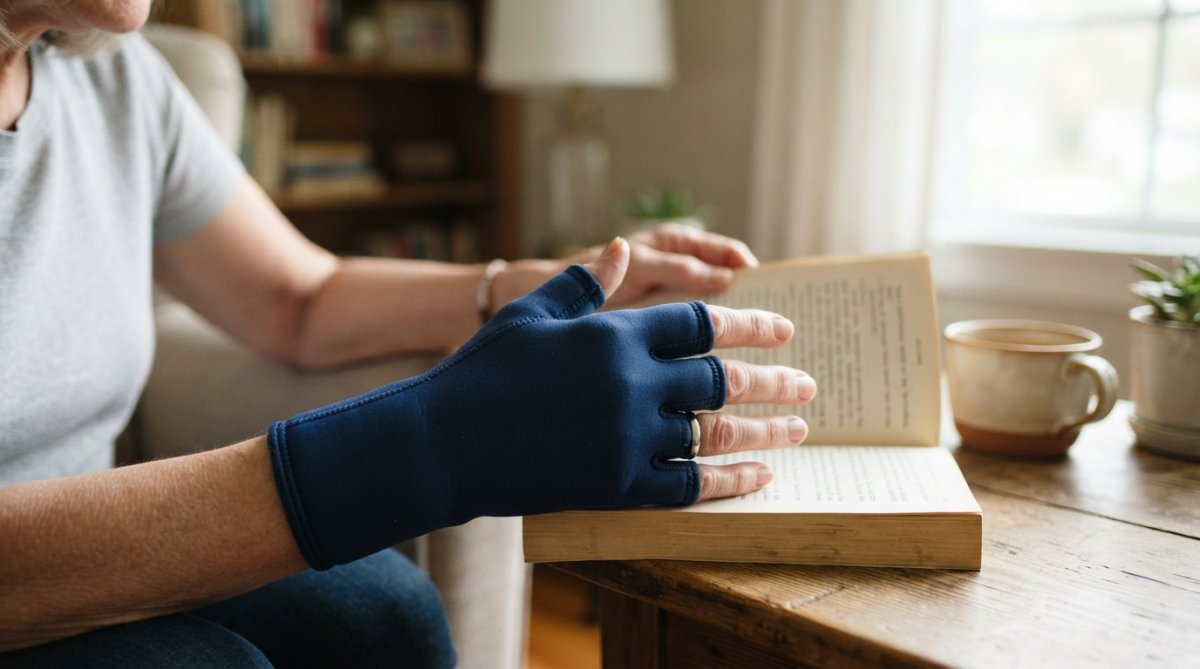
The Penguin Fingers Cold Compression Gel Packs for Fingers and Toes ($14.95) exemplify these features. The ultra-flexible design conforms to finger anatomy, the non-toxic gel maintains cold temperature for the full 15-20 minute therapeutic window, and the one-size-fits-all design eliminates sizing guesswork. The ability to wear these while reading or watching television can make them more likely to be used consistently.

Compression level also matters. Therapeutic-grade compression (15-20 mmHg) is often recommended for hand arthritis, firm enough to reduce swelling without cutting off blood flow (the American Academy of Dermatology).
Hot vs. Cold Therapy for Joint Inflammation: When to Use Each
Cold and heat serve different purposes, and using the wrong one at the wrong time can worsen inflammation.
Cold therapy reduces acute inflammation. Use it immediately after an injury, during a flare-up when joints are visibly swollen, or when pain is sharp and localized. Cold narrows blood vessels, slowing inflammatory cell migration to the area.
Heat therapy increases blood flow and relaxes muscle tension. Use it for chronic stiffness, muscle tightness around arthritic joints, or when inflammation has subsided but mobility is limited. Heat therapy is better for the morning stiffness many arthritis sufferers experience.
The practical distinction: if your fingers are visibly swollen or pain increased in the last 24 hours, use cold. If your fingers feel stiff but aren't swollen, or if pain is a dull ache rather than sharp inflammation, heat is more appropriate.
Many people benefit from alternating therapies. A common pattern is cold therapy in the afternoon (when inflammation from daily activity peaks) and heat therapy in the morning (to ease stiffness before movement).
Top Cold Therapy Products for Finger and Hand Relief
The best cold therapy for arthritis fingers products fall into two categories: gel packs (reusable cold therapy without compression) and compression sleeves (cold therapy plus structural support).
Penguin Fingers Cold Compression Gel Packs for Fingers and Toes
Penguin Fingers' flagship product delivers targeted cold therapy with the flexibility that makes consistent use realistic. At $14.95, it's an affordable entry point to therapeutic-grade cold compression.
The ultra-flexible design is the standout feature. Unlike rigid ice packs that force your hand into an unnatural position, this gel pack conforms to your finger anatomy. You can wear it while typing, reading, or working. The non-toxic gel maintains therapeutic temperature for the full 15-20 minute window without the mess of melting ice. The one-size-fits-all design eliminates sizing guesswork.
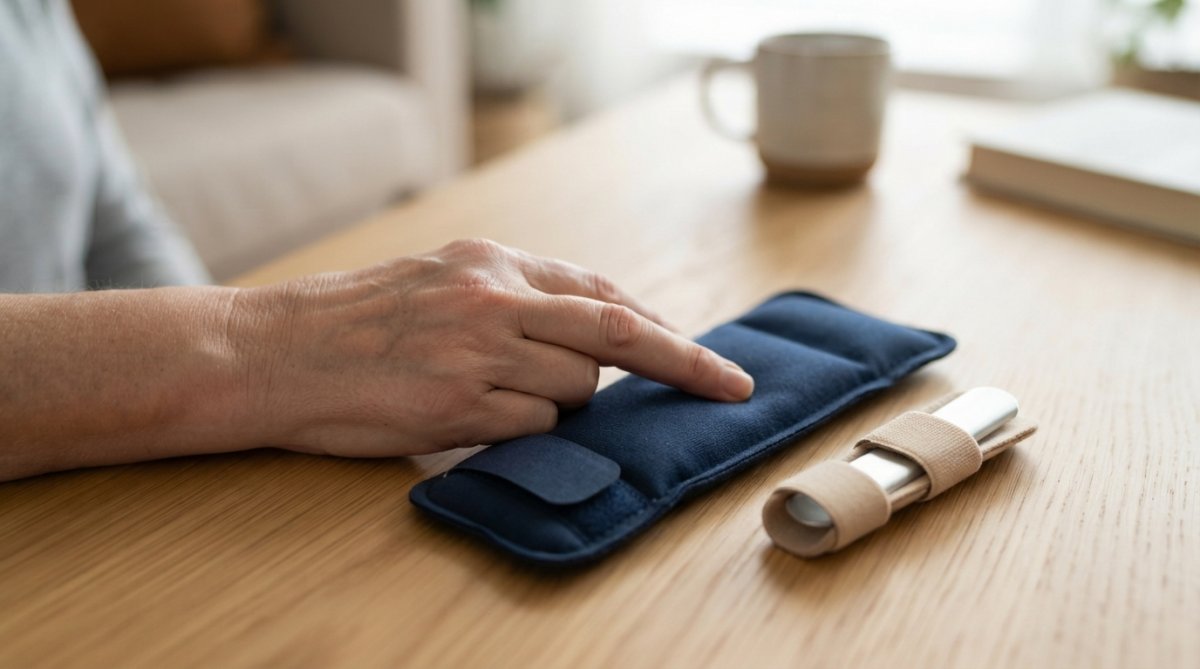
What works: Affordable, flexible, reusable, and designed specifically for finger arthritis. The gel pack freezes quickly and maintains cold temperature consistently.
Best for: People with chronic finger arthritis looking for an affordable, wearable cold therapy option. Office workers who need to continue working while applying cold therapy.
Penguin Fingers Finger Splint Wrap
At $7.95, this product provides structural support combined with the option to add cold therapy. The finger splint wrap provides joint stabilization that reduces joint movement during flare-ups, which can decrease pain independent of temperature.
The wrap design allows you to insert a gel pack (sold separately) or use it as a compression wrap alone. This flexibility makes it useful for different situations: compression alone during work, cold therapy during recovery periods.
What works: Affordable, versatile, and provides joint stabilization that reduces pain from movement.
Best for: People who want compression support as their primary tool and occasional cold therapy as a secondary option.
Safety Precautions and Contraindications for Cold Therapy
Cold therapy is generally safe, but certain conditions make it risky. Avoid cold therapy if you have Raynaud's phenomenon or severe circulation problems (the CDC). Cold narrows blood vessels, the therapeutic mechanism, but in people with compromised circulation, this can reduce blood flow dangerously. Similarly, if you have neuropathy (nerve damage) causing reduced sensation, you may not feel when cold therapy becomes too intense, risking frostbite.
If you have active infection or open wounds on your fingers, skip cold therapy until the infection resolves. People taking certain medications (particularly some blood pressure medications) should check with their healthcare provider before using cold therapy.
Skin sensitivity varies. If you have extremely sensitive skin, start with shorter durations (5-10 minutes) and work up gradually. Always use a thin cloth barrier between the cold pack and skin. Older adults often have reduced circulation and sensation, making them more vulnerable to cold-related tissue damage. Shorter durations (10-15 minutes rather than 20) and more frequent monitoring are wise.
Common Mistakes When Applying Cold Therapy to Arthritic Hands
Mistake 1: Icing too long. Beyond 20 minutes, your body's rebound warming response kicks in, undoing anti-inflammatory benefits. Stick to 15-20 minutes maximum.
Mistake 2: Applying cold to bare skin. Direct skin contact causes localized frostbite risk. Always use a thin cloth barrier.
Mistake 3: Using cold during the chronic stiffness phase. If inflammation has subsided but your fingers feel stiff, cold therapy won't help, heat will. Cold reduces inflammation; it doesn't improve mobility in the absence of inflammation.
Mistake 4: Inconsistent application. Cold therapy works through cumulative reduction of inflammation. Consistent application (daily, or multiple times daily during flare-ups) is what drives outcomes.
Mistake 5: Expecting instant permanent relief. Cold therapy reduces acute inflammation and provides pain relief, but it's not a cure. Arthritis is chronic, so you'll need ongoing cold therapy during flare-ups.
Mistake 6: Skipping compression. Cold therapy alone works; cold therapy plus compression works better. Compression adds mechanical edema reduction that cold alone doesn't provide.
Mistake 7: Applying cold immediately after heat. Rapid temperature swings trigger rebound inflammation. Wait 30+ minutes between hot and cold therapy.
Managing arthritis pain in your fingers requires the right tools and the right approach. Cold therapy reduces inflammation effectively, but only when applied correctly, the right duration, the right frequency, and the right products that make consistent use realistic.
Penguin Fingers Cold Compression Gel Packs ($14.95) and Finger Splint Wrap ($7.95) are designed specifically for this challenge. The flexible, wearable design means you can apply cold therapy while working, reading, or resting. That consistency is what transforms cold therapy from a temporary fix into a reliable part of your arthritis management routine. Start with 15-minute sessions, 3-4 times daily during flare-ups, and adjust based on your response.
Frequently Asked Questions
Q: Is cold therapy or heat better for arthritis in fingers?
A: Cold therapy works best for acute inflammation and swelling because vasoconstriction reduces blood flow to the affected joint. Heat therapy is better for stiffness and chronic pain when inflammation isn't active. For arthritis flare-ups with visible swelling, start with cold therapy. If your fingers feel stiff but not inflamed, heat may provide more comfort. Many people alternate between both methods depending on their symptoms.
Q: How long should you apply cold therapy to arthritic fingers?
A: Apply cold therapy for 15-20 minutes at a time, up to 4-6 times daily during flare-ups. Longer exposure risks nerve damage and frostbite. Always place a barrier (cloth or sleeve) between the cold source and your skin. After application, allow your skin to return to normal temperature before reapplying. If pain persists beyond a few days, consult your doctor.
Q: Can cold compression sleeves help with rheumatoid arthritis?
A: Yes. Cold compression sleeves reduce joint swelling and provide edema reduction through gentle compression, which supports joint mobility. They're particularly effective for rheumatoid arthritis because they combine two therapeutic modalities: therapeutic temperature reduction and compression therapy. Wear them during flare-ups or throughout the day for consistent pain relief. Products like Penguin Fingers Cold Compression Gel Packs are designed specifically for finger arthritis and offer non-toxic, latex-free materials.
Q: How often should you use ice packs for finger arthritis?
A: Use ice packs 4-6 times daily during acute flare-ups, keeping each session to 15-20 minutes. For chronic arthritis management, 2-3 applications daily often provides adequate pain relief and inflammation control. Consistency matters more than frequency. Reusable gel packs are more convenient than traditional ice packs and maintain therapeutic temperature longer, making daily use easier to sustain.
This article was written using GrandRanker


