

Table of Contents
- Quick Comparison: Vive Health vs KT Tape
- What Sets These Kinesiology Tape Brands Apart
- How Long Can You Wear Kinesiology Tape
- Cold Compression Therapy vs Kinesiology Tape
- Pricing and Value Comparison
- Which Option Is Right for You
- Conclusion
- Frequently Asked Questions
Last Updated: August 31, 2026
Quick Comparison: Vive Health vs KT Tape
When you're dealing with joint pain, muscle soreness, or sports injuries, the choice between kinesiology tape comparison options can feel overwhelming. Both Vive Health and KT Tape dominate the market, but they solve different problems in different ways. Vive Health focuses on cold compression therapy sleeves with dual hot and cold options, while KT Tape specializes in adhesive elastic tape for muscle support and proprioception. Understanding which approach fits your specific injury and lifestyle is crucial before spending money on either.
The fundamental difference comes down to application method and wear duration. Kinesiology tape comparison reveals that tape-based solutions offer longer wear times (up to 5 days), while cold compression therapy sleeves provide immediate relief but require active application (peer-reviewed research). For chronic conditions like arthritis or repetitive strain injuries, the choice depends on whether you need sustained support or targeted cold therapy.
What Sets These Kinesiology Tape Brands Apart
Kinesiology tape comparison between these two brands reveals distinct philosophies. Vive Health manufactures wearable cold compression therapy sleeves designed for specific body parts, fingers, wrists, elbows, knees, feet. KT Tape produces elastic therapeutic sports taping that adheres directly to skin and muscle. The choice isn't about which brand is superior; it's about which delivery method matches your recovery needs.
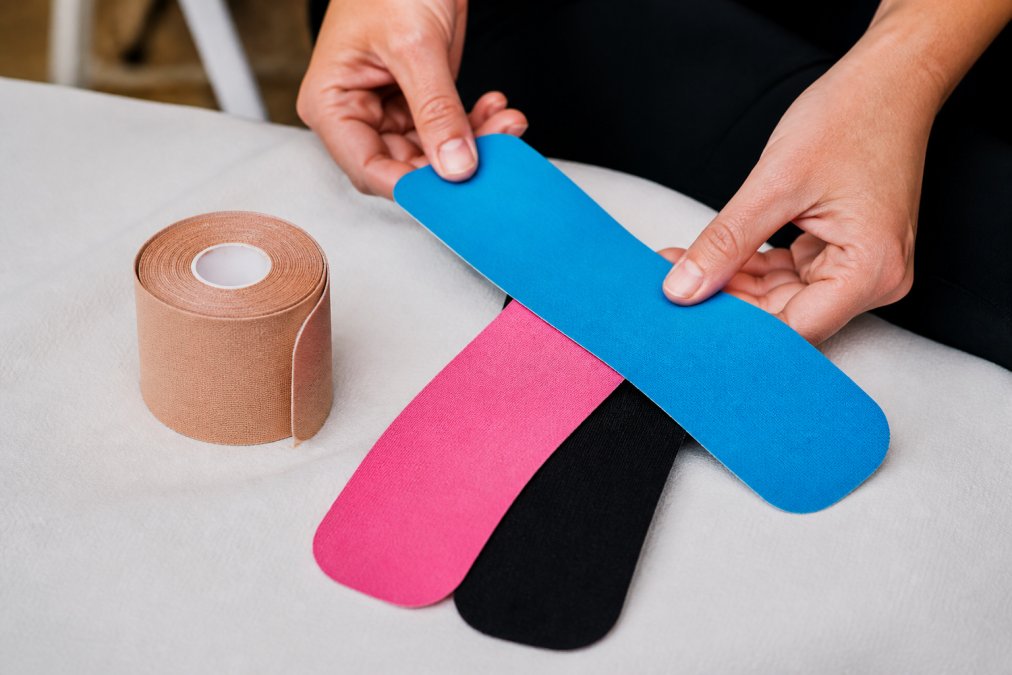
Vive Health's approach prioritizes comfort and convenience. Their sleeves slip on like compression garments, require no application skill, and work immediately. You freeze them, wear them, and get cold compression therapy without learning techniques. The brand stands out by offering dual hot and cold therapy options, the same sleeve works from the freezer or microwave, giving you flexibility for different injury phases.
KT Tape takes the opposite approach. Their tape requires proper application technique to activate the proprioceptive benefits. You're essentially creating a support structure that enhances joint position sense and muscle activation. The tape stays on during showers, workouts, and daily activities for up to five days. It's less about immediate symptom relief and more about ongoing biomechanical support.
Adhesive Strength and Water Resistance
Vive Health's cold compression sleeves don't rely on adhesive at all, they're worn like a sleeve. This means zero adhesive strength concerns and no skin irritation from adhesive residue. Water resistance is excellent because the gel pack material sheds water naturally. You can shower or swim with them on, though prolonged water exposure eventually requires refreezing.
KT Tape's adhesive strength is where the brand differentiates itself. Their tape uses a hypoallergenic acrylic adhesive designed to stay put through sweat, water, and movement. The fabric itself is water-resistant, but the adhesive eventually weakens with extended water exposure. Athletes report the tape lasts through workouts and showers, but extended pool time can reduce wear duration from five days to three or four.
For skin sensitivity, KT Tape's latex-free adhesive works for most users, but the tape itself can irritate sensitive skin if worn continuously without breaks. Vive Health's gel packs are non-toxic and latex-free, making them safer for users with dermatological sensitivity. The sleeve design means no adhesive residue cleanup, you simply remove the sleeve.
Material and Skin Sensitivity
The material composition determines long-term wearability. Vive Health uses high-density, lightweight neoprene-style material that stretches and conforms to your body. The gel pack inside is non-toxic, latex-free, and contains no PVC, BPA, phthalates, or formaldehyde (the FDA). This makes them genuinely safe for daily wear, even for users with chemical sensitivities or dermatological conditions.
KT Tape's fabric blend is breathable cotton-elastane, designed to move with your skin and allow air circulation. The fabric itself is hypoallergenic, but the adhesive can cause irritation in users with sensitive skin or those who wear the tape continuously without breaks. Removing the tape requires careful technique to avoid skin damage, ripping it off quickly can cause minor abrasion.
For long-term comfort, Vive Health wins if you have sensitive skin or need to wear compression for hours daily. KT Tape wins if you need to wear something discreetly under clothing or during athletic activity where a visible sleeve would be impractical.
How Long Can You Wear Kinesiology Tape
Understanding wear duration is critical for choosing between these approaches. KT Tape is designed for continuous wear up to five days. Many users report wearing it through workouts, showers, and sleep without issue. The tape gradually loses adhesive strength over this period, especially with heavy sweating or water exposure. After five days, you remove it, let your skin recover for a few hours, and reapply if needed.
Vive Health's cold compression sleeves work differently. You wear them for 15-30 minute sessions, typically 2-3 times daily depending on swelling and pain levels. Extended continuous wear (over 2 hours) can reduce circulation if the sleeve is too tight, so the design assumes intermittent use. For overnight relief, you'd apply the cold sleeve before bed for 20 minutes, then remove it.
The practical implication: if you need support during an 8-hour workday, KT Tape is the better choice because it provides continuous proprioceptive support without requiring removal. If you need aggressive inflammation control for acute injuries, Vive Health's cold compression therapy is more effective because sustained cold application reduces swelling faster than tape alone.
Cold Compression Therapy vs Kinesiology Tape
This is where the core difference emerges. Cold compression therapy and kinesiology tape address different mechanisms of injury recovery. Cold compression therapy reduces inflammation and pain through temperature and pressure. Kinesiology tape provides proprioceptive feedback and muscle support through elasticity and adhesion. recovery therapy methods.
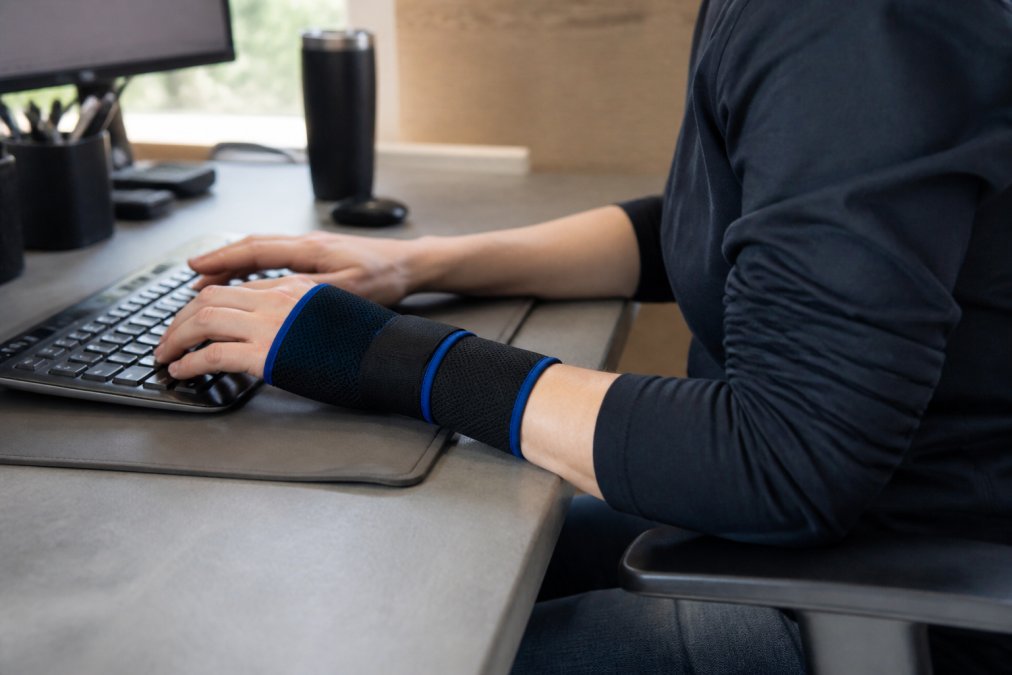
Cold compression therapy works best for acute injuries with visible swelling. The first 48-72 hours after a sprain, strain, or impact injury benefit most from cold application. Vive Health's approach targets this phase directly. The cold reduces inflammation, numbs pain receptors, and improves blood flow once you remove the sleeve (the rebound effect brings fresh blood to the area). For conditions like arthritis, where chronic inflammation is the problem, regular cold therapy sessions help manage swelling and stiffness.
Kinesiology tape works best for chronic conditions and ongoing support. It doesn't reduce swelling as effectively as cold therapy, but it prevents further injury by enhancing proprioception and muscle activation. Athletes use KT Tape during training and competition because it provides continuous support without the bulk of a sleeve. The tape activates stabilizer muscles, which reduces stress on the primary joint.
For someone recovering from a finger sprain, Vive Health's cold compression therapy provides faster acute pain relief. For someone with chronic carpal tunnel syndrome managing typing pain, KT Tape provides better all-day support. Many users combine both approaches: cold compression therapy in the morning and evening, tape during the workday.
Pricing and Value Comparison
Price comparison reveals a significant difference in cost structure. Vive Health's cold compression sleeves range from $14.95 for finger and toe packs to $28.95 for knee sleeves. These are one-time purchases that last for years with proper care. Penguin Fingers offers comparable cold compression therapy sleeves at similar price points, the Penguin Fingers Wrist Cold Compression Pack is $16.95, and the Knee Cold Compression Therapy Sleeve is $28.95. You freeze or heat them repeatedly, so the per-use cost drops dramatically over time.
KT Tape's per-roll cost is lower upfront ($10-15 per roll), but each roll contains only 20-30 applications depending on tape size. If you use tape daily, you're spending $30-50 monthly. Over a year, that's $360-600 in tape alone. Cold compression sleeves cost $15-30 upfront and $0 per use after that.
The value proposition depends on your usage pattern. For occasional injuries, KT Tape's lower initial cost makes sense. For chronic conditions requiring regular management, cold compression therapy offers dramatically better value. A $28.95 Penguin Fingers knee sleeve used twice daily for a year costs roughly $0.04 per use. A roll of KT Tape costs roughly $0.50-1.00 per application.

| Aspect | Vive Health | KT Tape | Penguin Fingers |
|---|---|---|---|
| Starting Price | $14.95-$28.95 | $10-15 per roll | $14.95-$28.95 |
| Cost Per Use (Year 1) | $0.04-$0.08 | $0.50-$1.00 | $0.04-$0.08 |
| Wear Duration | 15-30 min sessions | Up to 5 days continuous | 15-30 min sessions |
| Setup Time | 2 minutes | 5-10 minutes | 2 minutes |
| Best For | Acute swelling | Ongoing support | Acute swelling |
Which Option Is Right for You
Your injury type and lifestyle determine the best choice. If you have acute swelling from a recent sprain or strain, cold compression therapy is more effective. The immediate cooling and compression reduce inflammation faster than tape alone. Vive Health and Penguin Fingers both excel here. Penguin Fingers' cold compression therapy sleeves are specifically designed for targeted relief, their Finger and Toe Ice Pack ($14.95) works perfectly for hand injuries, while their Wrist Cold Compression Pack ($16.95) handles carpal tunnel or wrist sprains.

If you have chronic pain from arthritis, tendinitis, or repetitive strain, the answer depends on whether you need constant support or periodic relief. For constant support during work or activity, KT Tape provides all-day proprioceptive feedback without bulk. For periodic relief, cold compression therapy sessions manage inflammation and pain without the commitment of tape.
Athletes and active users should consider your activity type. Contact sports and high-impact activities benefit from KT Tape's proprioceptive support, it keeps joints stable during movement. Desk workers and people managing chronic conditions benefit more from cold compression therapy because they can apply it during breaks and at night.
Consider also your comfort tolerance. Some users find tape irritating or claustrophobic. Others find sleeves bulky under clothing. If you have sensitive skin, cold compression therapy eliminates adhesive irritation entirely. If you need discreet support, tape disappears under clothing while sleeves are visible.
KT Tape: Athletes during training and competition, people who need all-day support without removing and reapplying, and users who prefer discreet support under clothing.
Conclusion
The kinesiology tape comparison between Vive Health and KT Tape isn't about finding a universally superior product, it's about matching the tool to your specific injury and lifestyle. Vive Health excels at reducing acute inflammation and managing chronic swelling through cold compression therapy. KT Tape excels at providing ongoing proprioceptive support and joint stability during activity.
For users managing chronic joint pain, arthritis, or post-injury recovery, Penguin Fingers' cold compression therapy sleeves offer the same benefits as Vive Health at comparable pricing, with the added advantage of dual hot and cold therapy options. The Penguin Fingers Cold Compression Gel Packs for Fingers and Toes ($14.95) provide immediate relief for hand-based conditions, while their larger sleeves target knees, elbows, and other joints. Cold compression therapy works best when used consistently, 15-30 minute sessions twice daily reduce inflammation more effectively than occasional tape application.

Start with your injury phase. Acute swelling requires cold compression therapy. Chronic support requires ongoing proprioceptive feedback. Many users find the optimal approach combines both: cold compression therapy for inflammation management and tape for activity-specific support. Your recovery timeline, pain level, and daily activities should guide the choice.
Frequently Asked Questions
Q: What are the main differences between Vive Health and KT Tape?
A: Vive Health and KT Tape differ in their product offerings. Vive Health focuses on cold compression therapy sleeves with dual hot and cold options. KT Tape specializes in adhesive elastic tape for muscle support. Your choice depends on whether you prioritize immediate cold therapy for inflammation or ongoing muscle support.
Q: How long can you wear kinesiology tape continuously?
A: Most kinesiology tape, including KT Tape, is designed to be worn for 3 to 5 days continuously. The adhesive typically remains effective for this duration even with showering and light activity. However, individual factors like skin sensitivity, sweat production, and activity intensity affect how long the tape stays secure. If you experience itching or skin irritation before the recommended duration ends, remove the tape immediately and allow your skin to recover before reapplying.
Q: How does cold compression therapy compare to kinesiology tape for joint relief?
A: Cold compression therapy and kinesiology tape serve different purposes. Cold compression therapy delivers immediate pain relief and reduces inflammation through direct cooling and pressure, making it ideal for acute swelling and post-injury recovery. Kinesiology tape provides proprioceptive support and muscle stabilization over several days, working best for ongoing joint support and proprioception enhancement. Many people use both: cold compression for immediate flare-ups and kinesiology tape for sustained support during activity or recovery phases.
Q: Is Vive Health kinesiology tape as effective as KT Tape for sports injuries?
A: Both brands offer products that can be effective for sports injuries, but they address different needs. KT Tape provides elastic therapeutic sports taping for muscle support and proprioception. Vive Health offers cold compression therapy sleeves for reducing inflammation and pain. The effectiveness for sports injuries depends on the specific injury, the type of relief needed, and proper application or use of the product.
This article was written using GrandRanker


