

Table of Contents
- How Cold Therapy Works for Sports Injuries
- Cold Compression Therapy Benefits for Recovery
- When to Use Heat vs Cold for Injuries
- How Long to Ice an Injury for Best Results
- Applying Cold Therapy Safely: Risks and Best Practices
- Cold Therapy Methods: Ice Packs vs Compression Sleeves
- Post-Application Movement: What to Do After Cold Therapy
- Conclusion
Last Updated: August 28, 2026
How Cold Therapy Works for Sports Injuries
Cold therapy reduces pain and swelling by triggering a physiological response called vasoconstriction, where blood vessels narrow and restrict blood flow to the injured area. When you apply cold to a sports injury, the cold exposure numbs nerve endings, providing immediate analgesic effect that makes pain more manageable. This mechanism is why athletes reach for ice within minutes of a sprain or strain.
The process works in stages. First, the cold triggers vasoconstriction, which decreases metabolic rate in the damaged tissue. This slows cellular activity and reduces the inflammatory response. Second, the numbing effect provides temporary pain relief. Third, reduced blood flow limits swelling and edema that typically follows acute injury. Understanding this sequence helps explain why timing matters so much with cold therapy for sports injury recovery.
Cold exposure also affects muscle relaxation. When muscles tense around an injury as a protective mechanism, cold can help ease that tension, creating a window for gentle movement or rehabilitation work. This is why many athletic trainers recommend cold therapy immediately after injury, before inflammation becomes severe.
Cold Compression Therapy Benefits for Recovery
Cold compression therapy combines two mechanisms: the numbing and anti-inflammatory benefits of cold exposure with the mechanical pressure of compression. When you wrap an injured joint with compression while applying cold, you're addressing swelling from two angles simultaneously. The compression restricts fluid accumulation while the cold slows the inflammatory process.
One major benefit is reduced edema. Swelling can limit your range of motion and prolong recovery time. By managing edema early with cold compression, you preserve mobility and can begin gentle rehabilitation sooner. Many athletes find that cold compression sleeves keep them functional during the acute phase rather than forcing complete immobilization.
Cold compression also supports delayed onset muscle soreness (DOMS) management. After intense training, muscle tissue experiences microscopic damage that triggers inflammation over 24-48 hours (peer-reviewed research). Cold therapy applied post-workout can reduce the severity of DOMS, helping you train again sooner without excessive soreness limiting your movement.
The psychological benefit shouldn't be overlooked either. Applying cold therapy gives you an active recovery tool you control. Rather than passively waiting for an injury to heal, you're taking concrete action. This sense of agency often translates to better adherence to overall rehabilitation protocols.
Penguin Fingers cold compression sleeves are specifically designed to deliver both benefits simultaneously. Our wearable designs for knees, elbows, wrists, and other joints let you apply therapeutic cold while maintaining compression throughout your day. Unlike traditional ice packs that require you to sit still, our compression sleeves let you move gently while recovering.

When to Use Heat vs Cold for Injuries
The distinction between cold therapy and heat therapy hinges on injury timeline. Cold therapy works best for acute injuries, those occurring within the first 48-72 hours. During this window, inflammation is the primary problem. Applying cold restricts blood flow, slows metabolic demand, and prevents excessive swelling. This is when cold therapy for sports injury recovery delivers the most dramatic results.
Heat therapy serves a different purpose. After the acute inflammatory phase subsides (typically after 72 hours), heat increases blood flow and metabolic rate. This accelerates healing by delivering oxygen and nutrients to damaged tissue. Heat also promotes muscle relaxation, making it ideal for chronic pain, stiffness, and rehabilitation exercises.
The timeline matters more than the injury type. A severe ankle sprain needs cold for the first week, then heat for weeks two and beyond. A minor muscle strain might need cold for 48 hours, then heat for the remainder of recovery. Applying heat to an acutely inflamed injury actually worsens swelling and delays healing.
Some athletes benefit from contrast therapy: alternating cold and heat in the same session. This creates a pumping effect where blood vessels constrict and dilate repeatedly, potentially enhancing circulation without the risks of pure heat during acute phases. However, contrast therapy requires careful timing and isn't appropriate for all injury types.
How Long to Ice an Injury for Best Results
The ideal duration for cold therapy depends on the application method and injury severity. For traditional ice packs applied directly to skin, 15-20 minutes is the standard recommendation (peer-reviewed research). This timeframe provides sufficient cold exposure to trigger vasoconstriction and numb the area without risking cold-related tissue damage.
Never ice continuously for more than 20 minutes at a time. Extended cold exposure can cause frostbite or nerve damage, particularly if the cold pack contacts skin directly. After 20 minutes, remove the ice and allow the tissue to rewarm for at least 45-60 minutes before reapplying.
Frequency matters as much as duration. For acute injuries, apply cold every 2-3 hours during the first 48 hours. This means you might ice 6-8 times per day in the immediate aftermath of injury. As inflammation decreases, you can reduce frequency to 3-4 times daily for days 3-7.
Compression sleeves change the equation slightly. Because compression sleeves create a barrier between cold and skin, you can wear them longer, typically 30-45 minutes, without risk of frostbite. This makes compression sleeves more practical for sustained cold therapy during work or activity.

For post-workout recovery, many athletes apply cold for 15-20 minutes within 30 minutes of finishing intense training. This timing catches the inflammatory response early and can reduce DOMS severity.
| Application Method | Recommended Duration | Frequency | Best Use |
|---|---|---|---|
| Ice pack (direct to skin) | 15-20 minutes | Every 2-3 hours | Acute injuries, first 48 hours |
| Cold compression sleeve | 30-45 minutes | 3-4 times daily | Days 1-7 of injury, post-workout |
| Ice bath | 10-15 minutes | 1-2 times daily | Whole-body post-workout recovery |
| Cold gel pack (wrapped) | 20-30 minutes | Every 3-4 hours | Localized swelling management |
Applying Cold Therapy Safely: Risks and Best Practices
Cold therapy is generally safe when applied correctly, but several risks emerge with improper use. The most serious risk is frostbite, which occurs when tissue freezes. Frostbite typically develops after 30+ minutes of direct ice contact on bare skin. Always place a barrier, a thin towel or cloth, between the ice pack and your skin to prevent this.
Another consideration is tissue hypoxia from excessive vasoconstriction. While brief cold exposure is therapeutic, prolonged restriction of blood flow can actually damage tissue by depriving it of oxygen. This is why duration limits exist. Respect the 15-20 minute window for direct ice and the 30-45 minute window for compression sleeves.
Some individuals should avoid cold therapy entirely. People with cold sensitivity, Raynaud's syndrome, or certain circulatory conditions may experience adverse reactions. If you have a history of poor circulation or cold intolerance, consult a healthcare provider before using cold therapy.
Numb areas require special attention. Once cold numbs an area, you lose sensation and can't feel if damage is occurring. This is why you should never fall asleep with an ice pack on your skin. Set a timer and remove the cold pack when the timer sounds, regardless of how it feels. muscle recovery supplements.
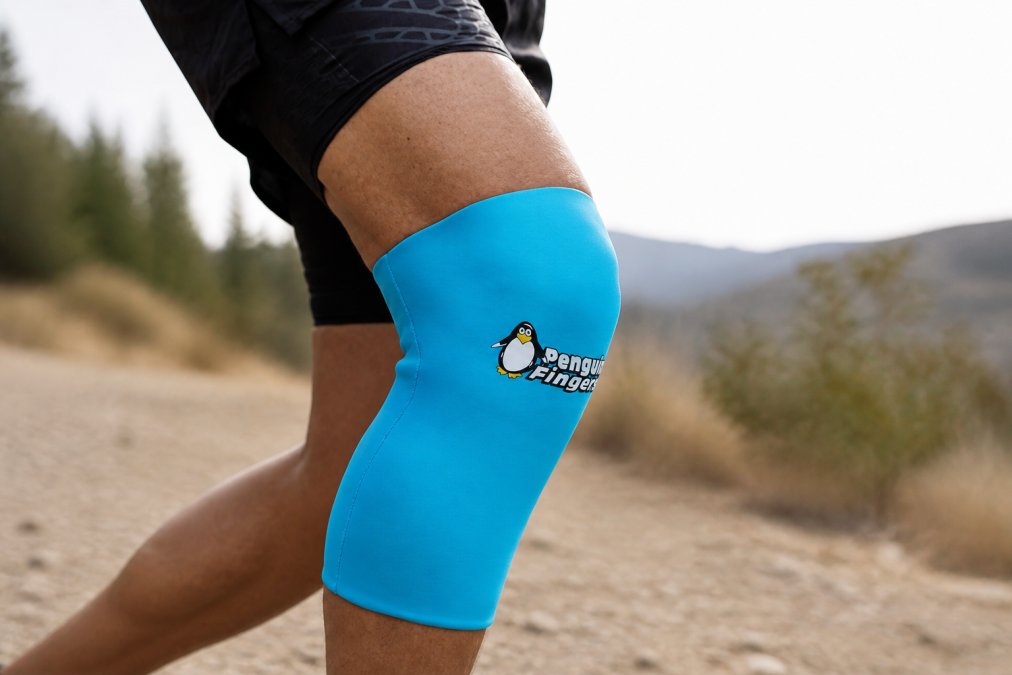
Penguin Fingers cold compression sleeves are designed with safety as a priority. Our dual hot and cold therapy options let you choose the appropriate temperature for your injury phase. The wearable design keeps the cold pack secured at the right position without requiring you to hold it in place, reducing the risk of prolonged exposure in one spot.
Always check the skin after removing cold therapy. Mild redness is normal, but blistering, severe redness, or numbness lasting more than a few hours suggests you've applied cold too aggressively. Adjust duration or frequency downward if you notice these signs.
Cold Therapy Methods: Ice Packs vs Compression Sleeves
Traditional ice packs offer simplicity and low cost. You fill a bag with ice, wrap it in a towel, and apply it to the injured area. Ice packs deliver intense cold quickly and are effective for acute swelling. The downside is that they require you to stay relatively still while holding or securing the pack in place. You can't easily move around or continue light activity.
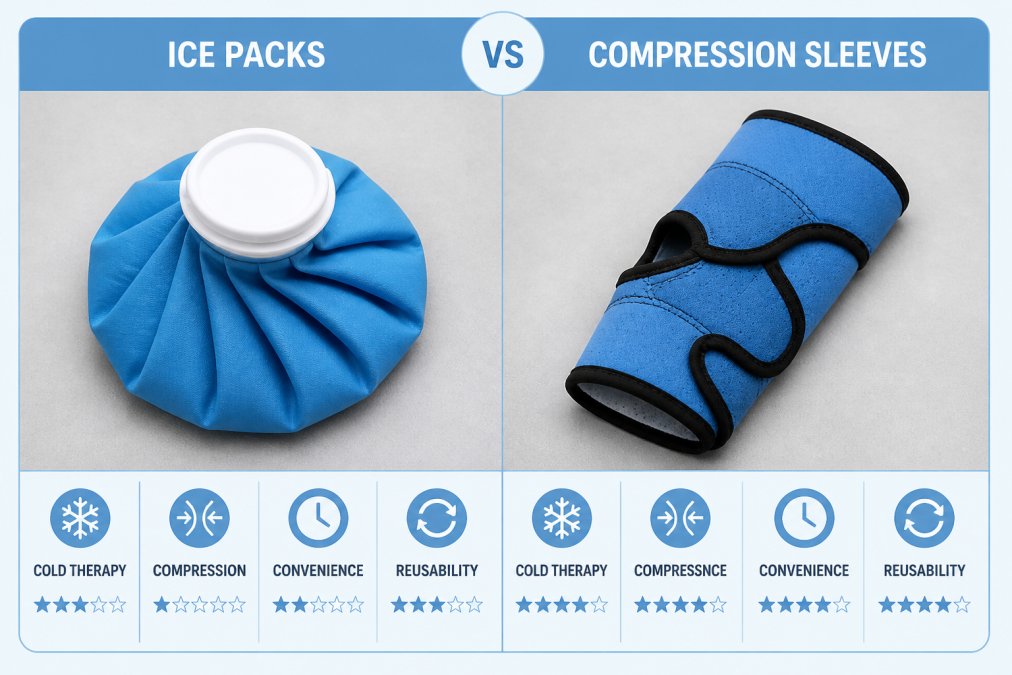
Compression sleeves represent a modern evolution. These wearable devices combine cold therapy with sustained compression, and you can wear them while moving around. Penguin Fingers compression sleeves for knees, elbows, wrists, and other joints let you apply therapeutic cold while working, watching television, or doing gentle rehabilitation exercises. The compression component adds another layer of swelling management that ice packs alone don't provide.

Gel packs occupy a middle ground. Reusable gel packs stay cold longer than ice and conform better to body contours. They're more convenient than ice but still require you to hold or secure them in place. Many athletes prefer gel packs for their durability and ease of use compared to ice.
Cold baths immerse the entire limb or body in cold water. This method is popular for post-workout recovery because it affects a large area simultaneously. However, cold baths are less practical for isolated joint injuries and require access to a bathtub or specialized cold plunge facility.
The best method depends on your situation. For acute injuries during the first 48 hours, intensity matters, ice packs or gel packs deliver the coldest temperatures. For ongoing management and rehabilitation, compression sleeves offer practicality and sustained benefits. Many athletes use ice packs initially, then transition to compression sleeves as swelling decreases.
Post-Application Movement: What to Do After Cold Therapy
After removing cold therapy, don't immediately return to full activity. Your tissue has been numbed and vasoconstricted, and jumping into intense movement risks re-injury before you've regained full sensation and mobility. Instead, spend 5-10 minutes doing gentle movement to gradually restore normal blood flow and sensation.
Gentle range-of-motion exercises work well post-cold therapy. For an ankle injury, slowly move your foot through its natural range of motion, pointing and flexing, gentle circles. For a knee injury, slowly straighten and bend the knee. These movements don't stress the injury but help restore circulation and proprioceptive awareness.
Walking at a normal pace is appropriate 10-15 minutes after cold therapy, once sensation has returned. Avoid running, jumping, or intense exercise during this window. Your pain feedback system is still recovering, and you might push too hard without realizing it.
Gradual rewarming matters. Don't apply heat immediately after cold therapy. Let the tissue naturally rewarm over 30-45 minutes. If you apply heat too soon, you risk increasing inflammation before the cold therapy's benefits have fully set in.
Many athletes find that light stretching 15-20 minutes after cold therapy is beneficial. Once the numbing effect wears off and circulation restores, gentle stretching can improve mobility without stressing the injured tissue. This is different from aggressive stretching, which can aggravate acute injuries.
For rehabilitation program progression, use cold therapy as a tool that enables movement rather than a replacement for movement. The goal is to reduce pain and swelling enough that you can do therapeutic exercises. Without those exercises, cold therapy alone won't restore full function. Use the pain-free window that cold therapy creates to do the rehabilitation work that actually heals the injury.
According to the American College of Sports Medicine guidelines, cold therapy should be paired with progressive rehabilitation exercises for optimal recovery outcomes. Cold manages symptoms while movement restores function.
Conclusion
Cold therapy for sports injury recovery is a foundational tool that works best when you understand the physiological mechanisms and apply it strategically. The first 48-72 hours after injury are critical, aggressive cold therapy during this window prevents excessive inflammation and swelling that would otherwise extend recovery time. After this acute phase, heat and rehabilitation exercises take over.
The choice between ice packs and compression sleeves depends on your injury and lifestyle. Ice packs deliver maximum cold intensity for acute swelling. Compression sleeves offer sustained benefits with the convenience of movement and activity. Many athletes benefit from both, ice packs initially, then transitioning to compression sleeves as swelling decreases.
Penguin Fingers cold compression sleeves are specifically designed for this recovery journey. Our wearable designs for knees, elbows, wrists, fingers, toes, and other joints combine cold therapy with compression in one convenient package. We offer dual hot and cold therapy options so you can adapt your treatment as your injury progresses from acute to chronic phases. Get started with Penguin Fingers and move from pain management to active recovery.
Frequently Asked Questions
How long should I ice a sports injury to reduce swelling?
Apply cold therapy for 15-20 minutes at a time, several times daily during the first 48-72 hours after acute injury. This duration reduces swelling and inflammation without risking skin damage. After the initial acute phase, adjust frequency based on how your injury responds. Always place a barrier (cloth or towel) between ice and skin to prevent frostbite. For ongoing recovery, continue as needed when pain or swelling flares up.
What are the main cold compression therapy benefits for sports recovery?
Cold compression therapy reduces inflammation, numbs pain, and decreases swelling by restricting blood flow to the injured area. The combination of cold and compression is more effective than ice alone because the pressure prevents fluid buildup in tissues. This speeds recovery time, allows you to return to training sooner, and reduces reliance on pain medication. Wearable compression sleeves like Penguin Fingers options offer hands-free relief while you move, making recovery more practical for active athletes.
When should I use heat instead of cold for an injury?
Use cold therapy for acute injuries (first 48-72 hours) to reduce inflammation and swelling. Switch to heat therapy after the acute phase to relax muscles, improve blood flow, and support tissue healing. Heat works better for chronic pain and stiffness. Some injuries benefit from both: cold immediately after activity to manage inflammation, then heat before training to prepare tissues. If you're unsure which to use, cold is safer for fresh injuries, while heat suits long-standing conditions like arthritis.
Is cold therapy better than traditional ice packs for sports injuries?
Wearable cold compression sleeves offer advantages over loose ice packs: they stay in place during movement, apply consistent pressure, and fit specific body parts like wrists, elbows, and knees. Ice packs work well for stationary recovery but require you to stay still. Compression sleeves like the Penguin Fingers Knee Cold Compression Therapy Sleeve ($28.95) combine both benefits, cold and compression, in one reusable design. Choose based on your lifestyle: ice packs for resting recovery, sleeves for active recovery or all-day wear.
This article was written using GrandRanker


