

Table of Contents
- Types of Reusable Ice Packs for Daily Use
- Cold Compression Therapy for Arthritis and Joint Pain
- How Long to Leave an Ice Pack On for Best Results
- Best Ice Pack for Finger Swelling and Targeted Relief
- Durability, Leak-Proof Design, and Maintenance
- Hot vs. Cold Therapy: When to Use Each
- Choosing the Right Reusable Ice Pack for Your Needs
- Conclusion
Last Updated: August 30, 2026
Types of Reusable Ice Packs for Daily Use
Reusable ice packs for daily use come in several distinct designs, each engineered to target specific body areas and conditions. Understanding the differences between them helps you select the right tool for your situation. Whether you're managing chronic arthritis, recovering from a sports injury, or dealing with post-operative swelling, the right ice pack makes a measurable difference in comfort and recovery speed.
Gel bead packs and flexible sleeves
Gel bead packs represent the most versatile category of reusable ice packs. These are filled with non-toxic gel beads that freeze solid in a standard freezer and maintain cold therapy for extended periods. The gel formulation allows the pack to stay flexible even when frozen, which means it conforms to your body rather than sitting rigid against your skin.
Penguin Fingers Cold Compression Gel Packs for Fingers and Toes exemplify this design with their patent-pending ultra-flexible construction. The pack stretches to fit fingers of all sizes. You simply insert your finger or toe and receive targeted cold compression exactly where inflammation occurs.
The gel beads themselves are non-toxic and latex-free, containing no PVC, BPA, phthalates, formaldehyde, PFCs, or dioxins. This matters if you have sensitive skin or plan to wear the pack directly against skin for extended periods. The flexible neoprene sleeve construction means the pack moves with you rather than restricting movement.
Wearable compression wraps
Wearable compression wraps take the concept further by adding elastic compression alongside cold therapy. These sleeves wrap around your joint and stay in place through elastic fastening, allowing you to move freely while receiving continuous cold and compression benefits.
The Penguin Fingers Wrist Cold Compression Pack at $16.95 delivers simultaneous cooling and compression effects to the wrist area. The design works particularly well for office workers and athletes because you can wear it while typing, working, or performing light activities. The compression component reduces swelling by preventing fluid from pooling in the injured area, while cold therapy slows nerve conduction and reduces pain signaling.
Larger compression wraps like the Penguin Fingers Knee Cold Compression Therapy Sleeve ($28.95) accommodate bigger joints and muscle groups. The knee sleeve works for thighs, calves, and biceps, providing a larger surface area of cold therapy than finger-specific designs. This makes it ideal for post-workout recovery or managing inflammation across larger muscle groups.
The form-fitting, flexible design means these wraps conform to your body contours rather than sitting awkwardly. High-density, lightweight material stretches and compresses without restricting blood flow, which is critical for safe extended wear.
Cold Compression Therapy for Arthritis and Joint Pain
Cold compression therapy reduces inflammation and pain by slowing nerve conduction and restricting blood vessel dilation. For people with arthritis, this translates to decreased swelling, improved mobility, and reduced morning stiffness. The combination of cold and compression works synergistically: cold numbs pain while compression prevents fluid from accumulating in the joint space.

Arthritis sufferers often find that cold therapy works best during acute flare-ups when inflammation spikes. Applying a reusable ice pack within the first few hours of increased pain yields better results than waiting. The cold reduces inflammatory markers in the tissue, which means less pain signal transmission to your brain.
Penguin Fingers cold compression sleeves are specifically designed for arthritis management across multiple joints. The dual hot and cold capability means you're not locked into one therapy type. Cold works for acute inflammation; heat works for stiffness and circulation. Having both options in one wearable device means you can adapt your therapy to your current needs without buying separate products.

How Long to Leave an Ice Pack On for Best Results
The optimal duration for ice pack application depends on the condition being treated and your individual tolerance. Most practitioners recommend 15-20 minutes of continuous cold therapy per application, with at least 2-3 hours between applications to allow tissue temperature to normalize (the CDC). This timing prevents tissue damage while delivering therapeutic benefit.
For acute injuries or severe inflammation, applying cold every 2-3 hours during waking hours yields the best results in the first 48-72 hours. After the acute phase passes, you can reduce frequency to 1-2 times daily or as needed for pain management.
Extended wear beyond 20-30 minutes risks reducing circulation too much, which can actually slow healing. Your body needs adequate blood flow to deliver nutrients and remove inflammatory byproducts. Cold therapy works by temporarily reducing inflammation, not by eliminating it entirely.
Temperature also matters. A pack that's too cold can cause ice burn or nerve damage. Most therapeutic ice packs maintain temperatures between 40-50°F when properly frozen, which is cold enough to reduce inflammation without tissue damage (the FDA). If your pack feels painfully cold after 5 minutes, place a thin cloth between the pack and your skin.
Best Ice Pack for Finger Swelling and Targeted Relief
Finger swelling from arthritis, carpal tunnel syndrome, or injury requires a pack designed for small joints rather than a generic ice pack meant for larger areas. Standard ice packs are too large and apply cold unevenly across the hand, wasting cooling capacity on tissue that doesn't need treatment.
Finger and toe-specific designs
The Penguin Fingers Cold Compression Gel Packs for Fingers and Toes ($14.95) solves this problem with a patent-pending design that isolates cold therapy to the exact joint needing treatment. You insert your finger or toe into the stretchy gel sleeve, and the pack conforms around that single digit.
This design works for multiple conditions: arthritis, carpal tunnel, trigger finger, jammed fingers, tendonitis, and sports injuries. Rock climbers use these packs after intense training sessions to prevent tendon inflammation. Office workers use them to manage carpal tunnel swelling during and after work. The one-size-fits-all construction means the pack works for different finger sizes without gaps or bunching.
The ultra-flexible material is the critical feature here. Rigid ice packs can't conform to a single finger without wasting cold on surrounding tissue. Penguin Fingers' flexible design means maximum cold delivery to the affected area with minimum discomfort. natural pain relief.
Multi-zone coverage options
For situations where multiple fingers or toes are affected simultaneously, the Penguin Fingers Elbow and Foot Cold Compression Therapy Sleeve ($22.95) provides broader coverage while maintaining targeted application. The design wraps around elbows, ankles, feet, forearms, and wrists, giving you options for different joint sizes.

Multi-zone coverage becomes necessary when arthritis affects multiple fingers or when a sports injury swells across the entire foot. Rather than applying a large generic ice pack, you get a sleeve designed for the specific joint area, which means better contact and more efficient cold delivery.
Durability, Leak-Proof Design, and Maintenance
Reusable ice packs fail when the gel inside leaks, turning them into useless plastic shells. A quality pack must maintain its seal through hundreds of freeze-thaw cycles without cracking or leaking. This is where material quality matters significantly.
Penguin Fingers packs use high-density neoprene construction that withstands repeated freezing and thawing without degradation. The gel bead formula is engineered to expand and contract with temperature changes without stressing the container. This design choice means your pack remains functional for years rather than months.

Leak-proof design requires double-sealed seams and puncture-resistant material. The soft-touch neoprene exterior protects against accidental punctures from sharp objects, and the internal seal prevents gel migration even if the outer layer is compromised. You can safely store these packs in freezers with other items without worrying about leaks contaminating your food.
Maintenance is straightforward: rinse the pack with cool water after use to remove sweat or dirt, then air dry before returning to the freezer. Never use hot water, which can degrade the neoprene. Store in a cool, dry place when not in use. Most packs last 3-5 years with proper care, making them far more economical than disposable ice packs.
Hot vs. Cold Therapy: When to Use Each
Cold therapy and heat therapy serve different purposes in pain management and recovery. Understanding when to use each approach prevents wasting time on the wrong treatment and accelerates healing.
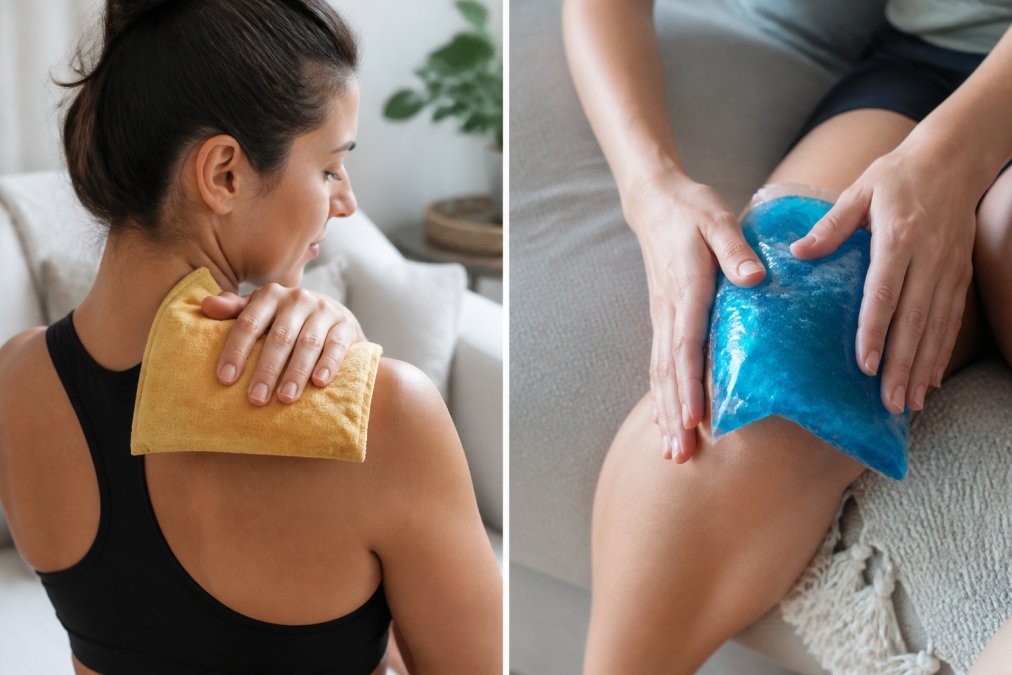
Cold therapy reduces inflammation and numbs pain, making it ideal for acute injuries, swelling, and inflammatory conditions like arthritis. Cold works by slowing nerve conduction, which reduces pain signal transmission to your brain. It also constricts blood vessels, which limits swelling and fluid accumulation in the injured area. Apply cold within the first 48-72 hours of an acute injury for maximum benefit.
Heat therapy increases circulation and reduces muscle stiffness, making it ideal for chronic pain and muscle tension. Heat works by increasing blood flow to the area, which delivers oxygen and nutrients needed for healing. It relaxes tight muscles and increases tissue flexibility. Heat works best for conditions that are past the acute inflammatory phase, typically after 72 hours of injury or for chronic conditions like arthritis stiffness.
The Penguin Fingers dual hot and cold capability means you're not choosing between treatments. You can apply cold in the morning to reduce overnight swelling, then switch to heat in the evening to improve flexibility and reduce stiffness. This flexibility addresses the reality that your condition changes throughout the day.
Some conditions benefit from alternating therapy. After intense exercise, cold compression reduces inflammation and swelling for the first 24 hours. Then heat therapy for 15-20 minutes before bed improves circulation and prepares tissue for the next day's activity. Athletes often use this alternating approach to accelerate recovery.
Choosing the Right Reusable Ice Pack for Your Needs
Selecting the right ice pack depends on which joints need treatment, how frequently you'll use it, and your specific condition. A systematic approach to evaluation prevents buying the wrong product and wasting money on something that doesn't fit your situation.
Start by identifying which joints need treatment. Fingers and toes require different packs than elbows, knees, or wrists. A pack designed for one area often doesn't work well for another. Penguin Fingers offers targeted designs for each major joint, which means you get a pack optimized for your specific need rather than a generic compromise.
Next, consider frequency of use. If you need ice therapy multiple times daily, invest in a higher-quality pack that withstands frequent freeze-thaw cycles. Budget options fail quickly under heavy use. The Penguin Fingers Knee Cold Compression Therapy Sleeve at $28.95 costs more upfront than budget alternatives, but the durability means lower cost per use over time.
Evaluate your lifestyle. Office workers need packs they can wear while working. The wrist compression pack works while typing. Athletes need packs that stay in place during movement. The compression wraps accomplish this better than loose-fitting sleeves. People managing chronic arthritis benefit from having multiple packs so they can rotate between cold and heat therapy without waiting for one pack to refreeze.
Consider material safety if you have sensitive skin or plan extended wear. All Penguin Fingers packs are non-toxic and latex-free, which matters for direct skin contact. Cheaper packs sometimes use materials that cause irritation with extended wear.
| Pack Type | Best For | Price | Key Feature |
|---|---|---|---|
| Finger/Toe Gel Pack | Arthritis, carpal tunnel, trigger finger | $14.95 | Ultra-flexible, single-joint targeting |
| Wrist Compression Pack | Office workers, carpal tunnel, sprains | $16.95 | Wearable during daily activities |
| Elbow/Foot Sleeve | Elbows, ankles, feet, forearms | $22.95 | Multi-zone coverage, heat and cold |
| Knee Compression Sleeve | Knees, thighs, calves, biceps | $28.95 | Large joint coverage, extended therapy |
Reusable ice packs for daily use address a real gap in pain management. Whether you're managing arthritis that's affected your fingers for years or recovering from a sports injury, having the right cold compression therapy tool makes the difference between functional recovery and prolonged discomfort. Penguin Fingers delivers targeted relief through wearable cold compression sleeves and wraps designed for specific body parts, offering both cold and heat therapy options in one product. Get started with Penguin Fingers and experience how proper cold compression therapy reduces inflammation and restores mobility.
Frequently Asked Questions
Q: Can I use a reusable ice pack daily for arthritis pain?
A: Yes, reusable ice packs are safe for daily use when applied correctly. Cold compression therapy for arthritis reduces inflammation and numbs pain without medication. Most users apply them 2-3 times daily for 15-20 minutes. Always place a thin cloth between the pack and skin to prevent frostbite, and avoid leaving it on longer than recommended. If you have circulation issues, consult your doctor before daily use.
Q: How long should I leave an ice pack on for maximum benefit?
A: Apply an ice pack for 15-20 minutes at a time, with at least 1-2 hours between applications. This timing allows your skin to return to normal temperature and prevents tissue damage. For acute injuries, you can apply ice every 2-3 hours for the first 48 hours. Chronic conditions like arthritis benefit from 15-20 minute sessions 2-3 times daily. Leaving an ice pack on too long can cause numbness and tissue damage.
Q: What makes the best ice pack for finger swelling from arthritis or carpal tunnel?
A: The best ice pack for finger swelling features a flexible gel bead pack that conforms to your fingers, provides even compression, and maintains cold for 20+ minutes. Look for non-toxic, leak-proof designs that allow you to insert individual fingers without freezing your entire hand. Penguin Fingers' Cold Compression Gel Packs for Fingers and Toes ($14.95) offer targeted relief with a patent-pending ultra-flexible design that compresses only where you need it, making them ideal for carpal tunnel and arthritis sufferers.
Q: Are reusable ice packs safe to use on bare skin?
A: No, never apply a reusable ice pack directly to bare skin. The intense cold can cause frostbite or ice burn within minutes. Always place a thin cloth, towel, or protective layer between the gel pack and your skin. Most wearable compression sleeves have built-in fabric protection, but standalone gel packs require this barrier. If you experience numbness, tingling, or skin discoloration, remove the pack immediately and allow your skin to warm naturally.
This article was written using GrandRanker


