

Table of Contents
- Understanding Finger Joint Swelling: Acute vs. Chronic
- Cold Therapy and Ice Application for Immediate Relief
- Compression Methods to Reduce Joint Inflammation
- Exercises for Swollen Finger Joints and Mobility
- Home Remedies for Hand Arthritis and Swelling
- When to See a Doctor for Finger Swelling
- Rest, Elevation, and Anti-Inflammatory Medications
- Conclusion
Last Updated: August 16, 2026
Understanding Finger Joint Swelling: Acute vs. Chronic
Finger joint swelling occurs when fluid accumulates in the joints, causing inflammation that ranges from mild to severely limiting. Acute swelling appears suddenly after injury and responds quickly to cold therapy and rest, while chronic swelling develops gradually over weeks or months, often linked to arthritis or tendonitis, and requires longer-term management combining multiple methods.
The distinction matters because acute swelling from a finger sprain typically peaks within 24-48 hours, while chronic swelling persists for weeks and improves through consistent management. Acute swelling usually results from direct injury or overuse, while chronic swelling stems from joint inflammation or progressive cartilage wear. At Penguin Fingers, we've designed cold compression therapy solutions to address both scenarios.

Cold Therapy and Ice Application for Immediate Relief
Cold therapy reduces swelling by constricting blood vessels around the joint, decreasing fluid accumulation and numbing pain. Applying cold within the first 24-48 hours after injury provides the most dramatic swelling reduction. Direct ice application carries risks of ice burn or frostbite, so wrap ice in cloth or use a gel pack designed for this purpose. Apply for 15-20 minutes, then wait at least 30 minutes before reapplying.
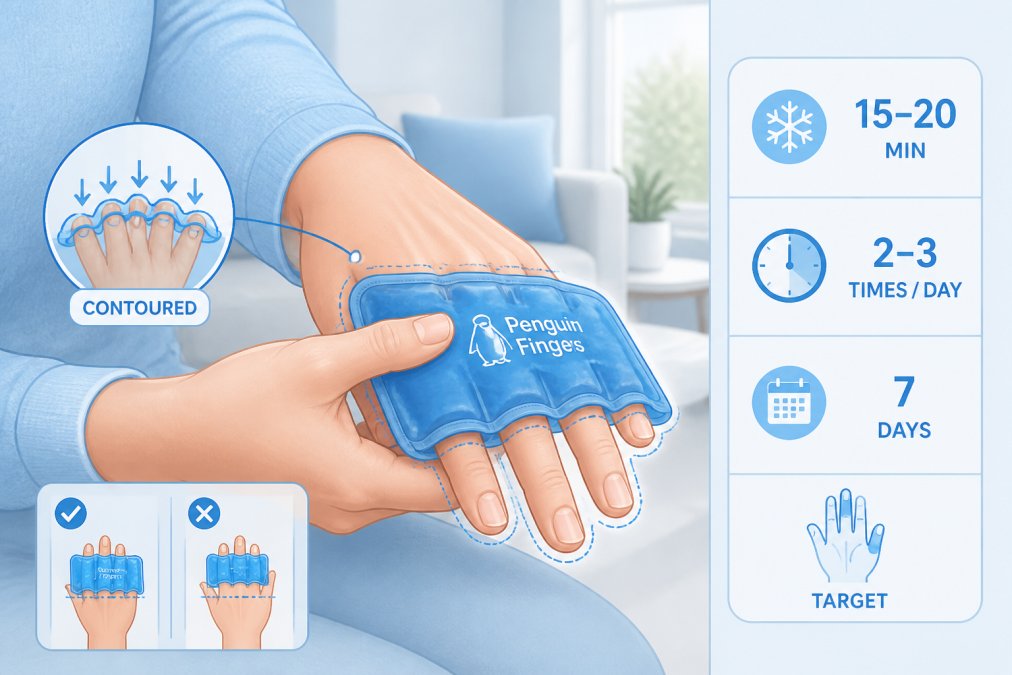
Specialized cold compression products work better than ice alone because they combine cold with gentle compression. The Penguin Fingers Cold Compression Gel Packs for Fingers and Toes deliver sustained cold while the compression sleeve applies consistent pressure, reducing swelling more effectively than ice wrapped in a towel. The gel pack stays flexible even when frozen, conforming to your finger joints rather than creating uncomfortable pressure points.

During the first 48 hours after injury, apply cold every 2-3 hours while awake. After the acute phase, once daily application often maintains the benefit. The temperature threshold for effectiveness sits around 50-65 degrees Fahrenheit; extremely cold applications can actually cause tissue damage and worsen inflammation.
Compression Methods to Reduce Joint Inflammation
Compression works by applying gentle, consistent pressure that prevents fluid from pooling in the joint space. The key is finding the right pressure level, too loose provides no benefit, too tight restricts circulation and worsens swelling. Compression sleeves and wraps designed specifically for fingers offer graduated pressure, stronger at the fingertip, gentler at the base.
Wearing compression throughout the day, especially during activities that aggravate your joints, prevents swelling from escalating. Office workers typing for hours find that compression gloves reduce end-of-day swelling significantly. Different compression styles serve different needs: compression gloves allow hand function while compression wraps offer customizable pressure for targeted relief. The Penguin Fingers Finger Splint Wrap provides compression while limiting excessive movement that might aggravate inflammation.
Combine compression with elevation for enhanced effect. Raising your hand above heart level allows fluid to drain back toward your body. Many people sleep with their hand elevated on a pillow, finding that morning swelling decreases noticeably. Compression shouldn't feel uncomfortable; if you experience numbness, tingling, or increased pain, remove it immediately.
Exercises for Swollen Finger Joints and Mobility
Gentle movement prevents joint stiffness and maintains finger mobility while managing swelling. Appropriate gentle exercises reduce swelling faster than immobilization alone because movement encourages fluid circulation.
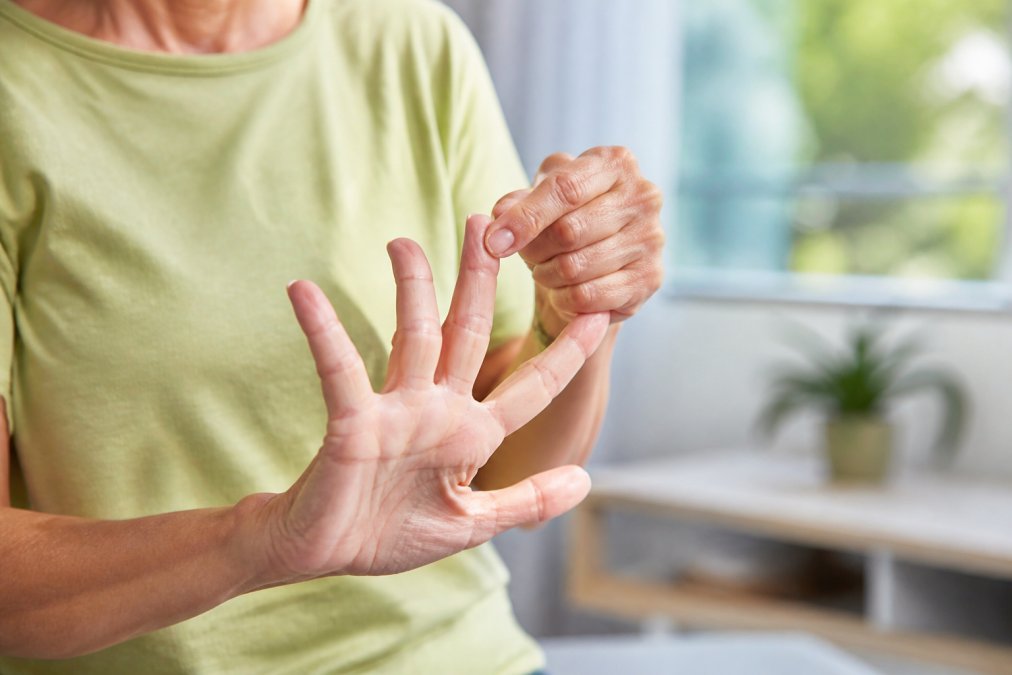
Start with passive range of motion exercises. Make a loose fist, hold for 2 seconds, then straighten your fingers completely. Repeat 10 times, twice daily. Finger extension exercises target joint mobility: hold your hand flat on a table with fingers extended, lift each finger individually for 1 second, then lower. Do 10 repetitions per finger.
Therapeutic stretches help when swelling limits normal movement. Gently pull each finger backward using your other hand, holding for 15-20 seconds without forcing. Repeat three times per finger, once or twice daily. A common mistake is exercising too aggressively when joints are swollen; gentle, consistent movement provides better results than occasional intense sessions.
Water-based exercises work particularly well for swollen joints because water provides resistance without impact. Squeezing a soft stress ball or performing finger flexion exercises while submerged in warm water combines the benefits of heat, gentle resistance, and reduced gravitational stress.
Home Remedies for Hand Arthritis and Swelling
Paraffin wax baths warm joints while providing gentle compression as the wax cools. Dip your hand into melted paraffin wax (around 120-130 degrees Fahrenheit), let it coat your skin, then wrap in plastic for 10-15 minutes. Many people with arthritis report that regular paraffin treatments reduce joint stiffness and swelling.
Epsom salt soaks provide magnesium, which may reduce inflammation. Dissolve Epsom salt in warm water and soak your hand for 15-20 minutes. While the anti-inflammatory effect is modest, the warmth and gentle movement during soaking often provide noticeable relief.
Dietary approaches address swelling from the inside. Foods rich in omega-3 fatty acids, fatty fish, flaxseeds, walnuts, have natural anti-inflammatory properties. Reducing processed foods and refined sugars often decreases overall joint swelling over weeks. Turmeric contains curcumin, a compound with documented anti-inflammatory properties; adding turmeric to meals or consuming it as a supplement may help reduce joint inflammation over several weeks. Ginger also possesses anti-inflammatory compounds and works best as part of a comprehensive approach.
Heat therapy complements cold therapy for managing chronic swelling. While cold reduces acute inflammation, heat improves circulation and reduces joint stiffness. Many people use cold therapy immediately after activities that aggravate swelling, then switch to heat therapy on rest days. A heating pad applied for 15-20 minutes increases blood flow to swollen joints.
Lifestyle adjustments prevent swelling from worsening. Repetitive activities that stress finger joints, prolonged typing, gripping, or fine detail work, often trigger swelling. Taking frequent breaks, stretching between tasks, and using ergonomic tools reduces mechanical stress that aggravates inflammation.
When to See a Doctor for Finger Swelling
Seek medical evaluation if swelling persists beyond two weeks despite home treatment, appears suddenly without clear cause, or accompanies redness, warmth, or fever. These signs suggest infection or a systemic condition requiring professional diagnosis.
Swelling accompanied by severe pain, inability to move your finger, or visible deformity indicates a potentially serious injury like a fracture or severe ligament damage. Don't delay seeking care; early intervention prevents long-term complications.
If swelling affects multiple fingers or joints throughout your body, suspect a systemic condition like rheumatoid arthritis or lupus. These autoimmune conditions require specific medical management. A rheumatologist can order tests to confirm diagnosis and recommend appropriate treatment.
Recurrent swelling in the same finger despite treatment suggests chronic inflammation, tendonitis, or early arthritis. Your doctor might recommend imaging like X-rays or blood tests to check for inflammatory markers.
According to the American Academy of Orthopaedic Surgeons, any finger injury accompanied by inability to straighten the finger, significant swelling that doesn't improve within a few days, or signs of infection warrants professional evaluation.
Numbness or tingling in your finger alongside swelling suggests nerve compression, possibly from carpal tunnel syndrome. These conditions progress without treatment, so early diagnosis prevents permanent nerve damage.
Rest, Elevation, and Anti-Inflammatory Medications
Rest remains one of the most effective interventions for acute swelling. Continuing activities that aggravate an injured joint prevents swelling from resolving. True rest means avoiding the specific movements that caused the injury, not complete immobilization.
Elevation works because gravity pulls fluid into your fingers when your hand hangs down. Raising your hand above heart level allows fluid to drain back toward your body through the lymphatic system. Sleep with your hand elevated on two pillows; many people find that overnight elevation reduces morning swelling by 30-50%.
The combination of rest, elevation, and cold therapy addresses acute swelling effectively. Apply this approach consistently for the first 48-72 hours after injury for optimal results.
Over-the-counter anti-inflammatory medications reduce swelling by decreasing the inflammatory response. Ibuprofen and naproxen sodium inhibit prostaglandins, chemicals that trigger inflammation. Taking these medications as directed, typically every 6-8 hours for ibuprofen, reduces joint swelling and pain. Acetaminophen provides pain relief but doesn't reduce inflammation as effectively.
The FDA guidance on over-the-counter pain relievers recommends using the lowest effective dose for the shortest duration necessary. For acute swelling, taking anti-inflammatory medication for 3-5 days typically provides sufficient benefit. For chronic swelling from arthritis, consistent anti-inflammatory medication use often provides better results than occasional use.
Topical anti-inflammatory creams provide localized relief without systemic effects. These work best for mild to moderate swelling and often combine well with other methods.
Practical Solutions: Cold Compression Therapy
Managing finger joint swelling effectively often requires a dedicated tool designed specifically for this purpose. Specialized cold compression products deliver superior results because they combine multiple therapeutic approaches simultaneously.
The Penguin Fingers Cold Compression Gel Packs for Fingers and Toes ($14.95) deliver sustained therapeutic cold while the compression sleeve applies consistent pressure to reduce swelling. Unlike ice wrapped in cloth, these gel packs maintain a safe, consistent temperature that provides maximum anti-inflammatory benefit without risk of ice burn. The flexible design conforms to your finger joints rather than creating uncomfortable pressure points.
The dual benefit of cold plus compression addresses swelling from two angles. Cold constricts blood vessels and reduces inflammation. Compression prevents fluid from accumulating in the joint space. Together, they reduce swelling faster than either method alone. Many people with chronic arthritis find that using these gel packs daily reduces baseline swelling and prevents flare-ups.
For those needing additional support and immobilization, the Penguin Fingers Finger Splint Wrap ($7.95) provides compression while limiting excessive movement that might aggravate inflammation. These products work for both acute injuries and chronic conditions, making them ideal for athletes managing post-exercise inflammation and people with arthritis maintaining joint function.
Managing finger joint swelling requires a multi-method approach combining cold therapy, compression, gentle movement, and appropriate rest. Most people see significant improvement by combining several approaches consistently. Penguin Fingers Cold Compression Gel Packs deliver the cold therapy and compression that form the foundation of effective swelling management, helping you reduce inflammation and regain comfortable hand function faster than home remedies alone.
| Method | Best For | Duration | Frequency |
|---|---|---|---|
| Cold therapy | Acute swelling, first 48 hours | 15-20 minutes | Every 2-3 hours |
| Compression | All swelling types | Throughout day | Continuous or as needed |
| Elevation | All swelling types | Overnight | Every night |
| Gentle exercises | Chronic swelling, maintaining mobility | 5-10 minutes | 1-2 times daily |
| Anti-inflammatory medication | Acute and chronic swelling | 3-5 days acute, ongoing chronic | As directed |
| Heat therapy | Chronic swelling, stiffness | 15-20 minutes | Several times weekly |
Frequently Asked Questions
How long does it take for finger joint swelling to go down?
Swelling reduction depends on the cause and severity. Acute swelling from minor injuries may improve within 24-48 hours with cold therapy and compression. Chronic swelling from arthritis typically requires consistent treatment over weeks to see noticeable reduction. Cold compression therapy, rest, and anti-inflammatory medications can accelerate the process. If swelling persists beyond two weeks or worsens, consult a healthcare provider to rule out serious underlying conditions.
Can diet affect finger joint inflammation and swelling?
Yes, diet significantly impacts joint inflammation. Foods high in omega-3 fatty acids (salmon, flaxseed) and antioxidants (berries, leafy greens) reduce inflammation naturally. Conversely, processed foods, excess sugar, and saturated fats can trigger inflammatory responses that worsen swelling. Staying hydrated supports circulation and reduces fluid retention. If you have arthritis or recurring swelling, consider reducing inflammatory foods and increasing anti-inflammatory options to complement your compression therapy and exercises.
What's the difference between cold therapy and heat therapy for swollen finger joints?
Cold therapy reduces acute swelling and numbs pain by constricting blood vessels and decreasing inflammation. Use ice packs or cold compression sleeves immediately after injury or during flare-ups. Heat therapy improves circulation and eases stiffness, making it better for chronic arthritis and before exercise. Many people benefit from cold therapy first to reduce swelling, then heat to restore mobility. Penguin Fingers offers dual hot and cold options so you can use the right therapy at the right time.
Will compression sleeves work for chronic arthritis, or are they just for athletes?
Compression sleeves work for both acute injuries and chronic conditions like arthritis. They reduce swelling, support joint stability, and improve circulation regardless of cause. For chronic arthritis sufferers, consistent compression therapy combined with gentle exercises and anti-inflammatory care provides lasting relief. Many people with long-term arthritis wear compression sleeves daily or during flare-ups. Penguin Fingers Cold Compression Gel Packs are designed specifically for finger and toe relief, making them ideal for arthritis management.
This article was written using GrandRanker


