

Table of Contents
- How Cold Therapy Works for Migraine Relief
- Cold Therapy vs. Heat: Which Works Better for Headaches
- Cold Compression Therapy Benefits for Migraine Sufferers
- How Long to Use Cold Therapy for Migraines
- Best Ice Pack for Tension Headaches and Migraines
- Safety Considerations and When to Avoid Cold Therapy
- Frequently Asked Questions
Last Updated: September 3, 2026
How Cold Therapy Works for Migraine Relief
Cold therapy for migraine relief works by triggering vasoconstriction, a narrowing of blood vessels that reduces the inflammatory response in the head and neck. When you apply a cold compress or cold compression therapy device to your temples, forehead, or the back of your neck, the cold temperature signals your nervous system to constrict blood vessels, which decreases blood flow to the affected area. This reduction in blood flow slows nerve conduction velocity, meaning pain signals travel more slowly to your brain, effectively reducing the intensity of migraine symptoms.
The mechanism behind cold intervention for headache management is rooted in how your body responds to temperature. Your skin contains cold receptors that, when stimulated, activate the trigeminal nerve, the same nerve involved in migraine pain. By overwhelming these receptors with cold sensory input, you essentially distract your nervous system from processing migraine pain signals. This is why many people experience instant comfort when they apply a cold compress during a migraine attack.
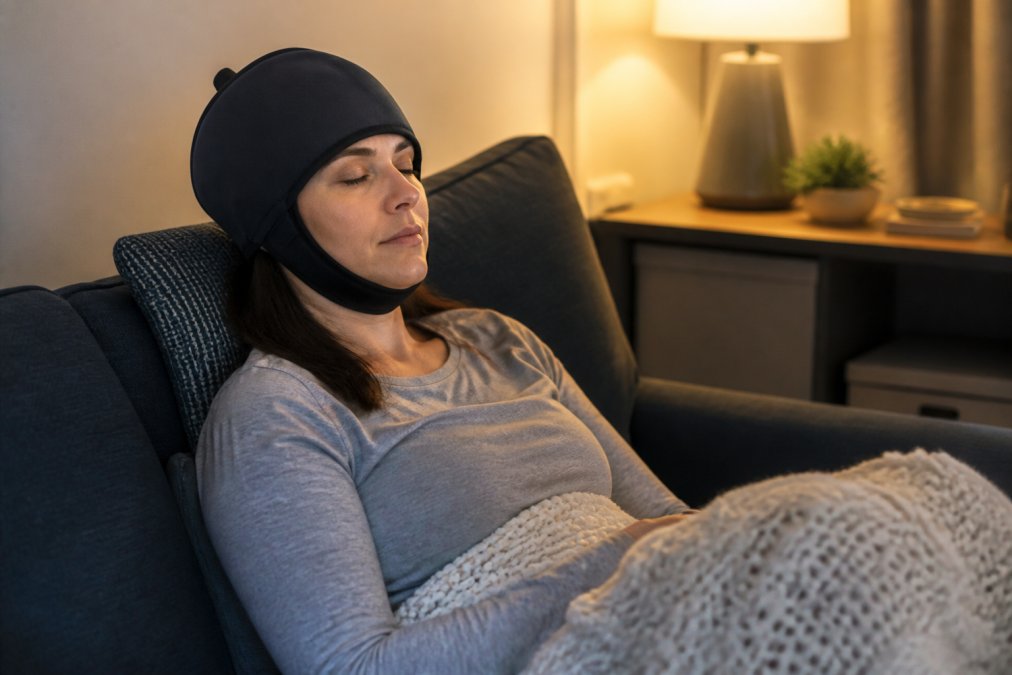
At Penguin Fingers, we've designed our cold compression therapy solutions specifically to maximize this vasoconstriction effect. Our Cold Migraine Therapy Weighted Head Cap uses targeted cooling to deliver consistent therapeutic temperature to the areas where migraine pain originates. The wearable design means you don't have to hold an ice pack in place, you can rest comfortably while the cold therapy does its work. Many people find that applying cold therapy within the first 15 minutes of a migraine onset produces the best results, as early intervention prevents the migraine from fully escalating.

The duration of vasoconstriction depends on how long you maintain the cold temperature. Most therapeutic cold applications maintain effectiveness for 15-20 minutes before your body begins to adapt to the cold (peer-reviewed research). This is why timing matters when you're managing migraine symptoms instantly. Once you understand how cold therapy works at the neurological level, you can use it more strategically throughout your migraine management routine.
Cold Therapy vs. Heat: Which Works Better for Headaches
Cold and heat therapy serve opposite purposes in pain management, and choosing the right one depends entirely on what's causing your headache. Cold therapy excels at reducing acute inflammation and numbing sharp pain, making it ideal for migraine relief. Heat therapy, by contrast, relaxes tight muscles and improves blood flow, making it better suited for tension headaches caused by muscle tightness in the neck and shoulders.
The key difference comes down to the underlying cause of your pain. A migraine is a neurological condition involving inflammation and abnormal blood vessel activity. Cold compression therapy benefits migraine sufferers by reducing that inflammation and slowing pain signal transmission. Tension headaches, however, typically stem from sustained muscle contraction in the neck, shoulders, and scalp. Heat therapy addresses this by loosening those contracted muscles and increasing circulation to the area.
Here's where it gets practical: if your headache comes with throbbing pain and sensitivity to light, cold is your answer. If your headache feels like a tight band around your head and your neck feels stiff, heat will likely provide more relief. Many people with chronic migraine find that they need both options available, cold for acute migraine attacks and heat for the tension that sometimes precedes or follows them.
Penguin Fingers offers dual hot and cold therapy options specifically because many users need flexibility in their pain management approach. Our head wraps can be refrigerated for cold therapy or microwaved for heat therapy, giving you a single tool that addresses multiple types of head pain. This versatility matters when you're dealing with recurring migraine symptoms that sometimes overlap with tension-related discomfort.
The scientific evidence supports using cold for migraine intervention and heat for muscle-related tension. Cold therapy reduces inflammation more effectively than heat, while heat increases muscle flexibility and blood flow better than cold. If you're unsure which approach suits your specific headache type, start with cold therapy during acute migraine attacks and reserve heat for the recovery period afterward.
Cold Compression Therapy Benefits for Migraine Sufferers
Cold compression therapy combines two pain-relief mechanisms: the cold reduces inflammation while the compression provides gentle pressure that can ease pain sensation. This dual approach makes compression therapy particularly effective for managing migraine symptoms compared to ice packs alone. The compression element adds a layer of sensory input that further distracts your nervous system from processing pain signals.
The inflammation reduction benefit addresses one of the root causes of migraine pain. Migraines involve inflammation of blood vessels and surrounding tissues in the brain and head. By applying cold compression, you're actively reducing that inflammatory response. The pressure component of compression therapy also helps stabilize blood vessels, preventing the rapid dilation and constriction cycles that characterize migraine attacks.
Many migraine sufferers report that compression therapy provides more sustained relief than cold alone. A standard ice pack might numb the area temporarily, but the compression helps maintain the therapeutic effect even as your body begins to adapt to the cold. This is why wearable cold compression devices like our Penguin Fingers Cold Migraine Therapy Weighted Head Cap outperform traditional ice packs for long-term migraine management.
The benefits extend beyond immediate pain reduction. Consistent use of cold compression therapy can help reduce the frequency of migraine attacks over time. Some people find that regular application during the prodrome phase, the period before a migraine fully develops, can prevent the migraine from escalating into a full attack. This preventive application of cold compression therapy benefits users by reducing overall migraine burden.
Compression also improves comfort during application. A gel pack or ice pack can be uncomfortable to hold against your head, and ice can feel too intense on bare skin. A compression wrap distributes the cold evenly and allows you to wear it hands-free, making it practical for real-world use when you're experiencing migraine symptoms and need to rest or continue your day.
How Long to Use Cold Therapy for Migraines
The optimal duration for cold therapy application is typically 15-20 minutes per session (the NIH). This timeframe allows your body to experience the full vasoconstriction and pain-relief benefits without triggering the adaptive response where your nervous system stops registering the cold stimulus. Applying cold therapy for longer than 20-30 minutes can actually reduce effectiveness because your body acclimates to the temperature.
Frequency matters as much as duration. Most experts recommend applying cold therapy every 2-3 hours during an acute migraine attack if needed. However, you shouldn't apply cold continuously for extended periods. Your skin needs recovery time between applications to prevent cold-related injury. A common approach for how long to use cold therapy for migraines involves multiple short sessions rather than one extended session.
The best practice is to apply cold therapy as soon as you recognize the early signs of a migraine coming on. The first 15 minutes of a migraine attack represent the window where cold intervention is most effective at preventing escalation. If you wait until the migraine is fully developed, cold therapy still provides relief but may be less effective at stopping the attack entirely. chiropractic for migraine relief.
For chronic migraine sufferers, establishing a routine helps. Some people use cold therapy preventively during their known migraine triggers, for example, if you know stress triggers migraines, applying cold therapy for 15 minutes during high-stress periods might prevent an attack from developing. This preventive approach to how long to use cold therapy for migraines differs from acute treatment but can significantly reduce overall migraine frequency.
Pay attention to your individual response. Some people experience maximum relief at 10 minutes, while others need the full 20 minutes. The duration and frequency of application should be adjusted based on your personal migraine patterns and how your body responds. Keeping a migraine diary that tracks application duration and relief level helps you dial in the optimal timing for your specific situation.
Best Ice Pack for Tension Headaches and Migraines
When selecting the best ice pack for tension headaches and migraines, look for devices that offer consistent cooling, comfortable application, and the ability to target specific head areas. A standard freezer ice pack works in a pinch, but purpose-designed migraine relief tools deliver superior results because they're engineered specifically for head pain management.
The Penguin Fingers Cold Migraine Therapy Weighted Head Cap stands out as a top choice for migraine sufferers. At $24.95, it's an affordable solution that provides warm and cold therapy in one wearable design. The soft, flexible neoprene material fits comfortably over your head and eyes, delivering cold compression therapy to the exact areas where migraine pain originates. The weighted design adds gentle pressure that enhances the compression therapy benefits, and the form-fitting construction means you can wear it while resting without having to hold anything in place.
What makes this the best ice pack option for migraine relief is the hands-free design combined with dual hot and cold capability. You can refrigerate it for cold therapy during acute migraine attacks or microwave it for heat therapy when you need muscle relaxation. This versatility addresses both migraine pain and tension-related discomfort in a single product, eliminating the need to purchase separate tools.
Gel packs offer advantages over traditional ice packs because they maintain consistent cold temperatures longer and don't drip as ice melts. The best gel packs for migraine therapy stay cold for 20-30 minutes, which aligns perfectly with the recommended application duration. They're also more comfortable against skin than bare ice, reducing the risk of cold-related irritation.
When evaluating options, prioritize these features: even cold distribution, comfortable fit for extended wear, and the ability to target specific head areas. Avoid ice packs that are too rigid or uncomfortable, if wearing it causes additional tension, it defeats the purpose. The best ice pack for tension headaches combines cold therapy effectiveness with genuine comfort, allowing you to use it consistently without additional discomfort.
| Feature | Penguin Fingers Head Cap | Generic Ice Pack | Gel Pack Wrap |
|---|---|---|---|
| Price Point | $24.95 | $5-15 | $15-30 |
| Hands-Free Use | Yes | No | Varies |
| Dual Hot/Cold | Yes | No | No |
| Targeted Coverage | Head, eyes, temples | Limited | Moderate |
| Comfort Level | High | Low-Moderate | Moderate |
| Reusability | Excellent | Good | Good |
Safety Considerations and When to Avoid Cold Therapy
Cold therapy is generally safe for most people, but certain conditions warrant caution or complete avoidance. If you have Raynaud's syndrome, a condition where blood vessels constrict excessively in response to cold, cold therapy could trigger a painful episode (the CDC). Similarly, if you have cold urticaria (an allergic reaction to cold), applying cold to your skin could cause an uncomfortable reaction.
People with compromised circulation, neuropathy, or sensory nerve damage should consult a healthcare provider before using cold therapy. These conditions can impair your ability to sense when cold is becoming too intense, increasing the risk of cold-related skin damage. Never apply cold therapy directly to skin for extended periods, always use a barrier like a cloth or use a product specifically designed for skin contact, like the Penguin Fingers head cap with its protective neoprene material.
If you have migraine aura or certain types of cluster headaches, check with your neurological specialist before relying solely on cold therapy. While cold therapy helps many migraine sufferers, some neurological conditions respond differently. A neurological specialist can advise whether cold intervention is appropriate for your specific migraine type.
Avoid cold therapy if you're experiencing symptoms that suggest a serious condition like meningitis or a stroke. Sudden severe headache accompanied by fever, stiff neck, confusion, or vision changes requires immediate medical attention, not cold therapy. Cold therapy is for managing known migraine conditions, not for diagnosing or treating unknown severe headaches.
Cold therapy contraindications also include recent frostbite or cold injury to the area. Your skin needs time to fully recover before reexposing it to cold. Additionally, if you're pregnant, discuss cold therapy use with your obstetrician, particularly regarding frequency and duration, to ensure it's appropriate for your specific situation.
The key safety principle: cold therapy should feel therapeutic, not harmful. If application causes pain, numbness that doesn't resolve quickly after removing the cold source, or any concerning symptoms, stop using it and consult a healthcare provider. Proper application duration, limiting sessions to 15-20 minutes with adequate recovery time between applications, prevents most cold-related complications.
Cold therapy for migraine relief offers a non-pharmacological approach to managing acute migraine symptoms and reducing inflammation. When you understand how vasoconstriction and cold compression therapy work together, you can use these tools strategically as part of your broader migraine management routine. The Penguin Fingers Cold Migraine Therapy Weighted Head Cap delivers targeted relief with its dual hot and cold capability, wearable design, and affordable price point of $24.95, making it an accessible option for anyone seeking instant comfort during migraine attacks. Get started with Penguin Fingers and experience how effective wearable cold compression therapy can be for your migraine management.
Frequently Asked Questions
Does cold therapy actually work for migraines?
Yes. Cold therapy reduces migraine pain by triggering vasoconstriction, narrowing blood vessels and slowing nerve conduction in the affected area. This decreases inflammation and provides topical cooling relief during a migraine attack. Many people report instant comfort when applying cold compression to the head or neck, making it a practical non-pharmacological treatment option for both acute attacks and chronic migraine management.
How long should you wear a cold therapy cap for a migraine?
Most effective migraine relief comes from 15-20 minute sessions of cold therapy application. You can repeat applications every 2-3 hours during an active migraine attack. Some people find relief in as little as 10 minutes, while others benefit from the full 20-minute duration. Listen to your body and avoid exceeding 30 minutes at a time, as prolonged cold exposure can reduce your pain threshold and potentially cause skin irritation.
What are the main benefits of cold compression therapy for headaches?
Cold compression therapy combines two relief mechanisms: the cooling effect reduces inflammation and numbs pain signals, while gentle compression helps manage tension and reduces blood flow to the affected area. This dual action provides symptom management without medication, supports faster recovery, and works well alongside other migraine treatments. It's particularly effective for headaches where localized cooling addresses the root cause.
Are there side effects to using ice packs or cold therapy for migraines?
Cold therapy is generally safe when used correctly, but avoid application if you have skin sensitivity, numbness, or conditions affecting circulation. Overuse or excessive cold exposure can damage skin and reduce your pain threshold over time. Never apply ice directly to skin without a barrier. If you have cold intolerance, Raynaud's syndrome, or nerve damage, consult a healthcare provider before starting cold therapy for migraines.
This article was written using GrandRanker


