

Last Updated: October 23, 2026
Quick Summary
When to avoid heat therapy for joint pain includes acute injuries within the first 48-72 hours, active inflammation or swelling, and conditions like diabetes with reduced sensation, poor circulation, multiple sclerosis, spinal cord injuries, and rheumatoid arthritis during flares. Heat can worsen these conditions or cause undetected burns.
- Use cold for acute injuries and visible swelling; use heat only for chronic stiffness without active inflammation.
- People with diabetes, circulation problems, or neurological conditions face higher risks of burns and should avoid heat or discuss it with their doctor first.
- Never fall asleep with a heating pad, apply heat directly to skin, or use heat on areas with reduced sensation.
- Rheumatoid arthritis requires cold during flares because heat amplifies ongoing autoimmune inflammation.
- Safe heat application is 15-20 minutes per session with a towel barrier, at around 113°F, with at least one hour between sessions.
Table of Contents
- When to Avoid Heat Therapy for Joint Pain
- Ice or Heat for Joint Pain: Understanding the Difference
- Heat or Ice for Knee Pain: Acute vs. Chronic
- Medical Conditions Where Heat Therapy Is Contraindicated
- Heat Therapy for Arthritis: Why Timing Matters
- How Long to Use Heat Therapy and Safe Application
- Red Flags: When to Stop Heat and Seek Medical Care
- Cold Compression as a Safer Alternative for Joint Pain
- Frequently Asked Questions
When to Avoid Heat Therapy for Joint Pain
Heat feels good on sore joints because warmth relaxes muscles and improves blood flow. But for certain conditions, heat makes pain worse. Understanding when to avoid heat therapy for joint pain is critical to safe pain management.
The challenge is that many people reach for a heating pad without checking whether it's actually the right choice. An international multidisciplinary Delphi-based consensus study found that heat therapy is frequently described as a musculoskeletal-pain treatment, while scientific evidence remains poor.
Below: exactly when to avoid heat therapy for joint pain, which conditions require cold compression, and the warning signs that demand medical attention.
Ice or Heat for Joint Pain: Understanding the Difference
The choice between ice and heat depends on what's happening inside your joint. Cold reduces swelling and numbs pain; heat increases circulation and relaxes stiff muscles, so the wrong one can backfire.
Use cold for:
- Acute injuries (sprains, strains, jammed fingers)
- Visible swelling or inflammation
- Pain that just started or flared up
Use heat for:
- Chronic stiffness without active swelling
- Muscle tension and tightness
- Pain that's been present for weeks or months
The mistake most people make is using heat on inflamed joints. Inflammation is your body's alarm system; heat amplifies it, while cold quiets it. Since many common joint conditions involve inflammation, heat can worsen symptoms.
Heat or Ice for Knee Pain: Acute vs. Chronic
Knee pain looks the same whether it's acute or chronic, but treatment differs sharply. An acute injury (sprain, twist, fall) needs cold first.
Acute knee pain timeline:
- First 48-72 hours: ice only
- Days 3-7: transition to ice, consider gentle heat before exercise
- Week 2 onward: heat may help with stiffness if swelling is gone
Chronic knee pain without active inflammation:
- Heat before physical therapy
- Ice after activity if swelling develops
- Alternate based on how your knee responds
If your knee is swollen, warm to the touch, or painful during movement, treat it as acute.
A 2024 review found that low-level continuous heat used as an adjunct to physical therapy improved knee-pain recovery and compliance with home exercise in patients with chronic knee pain.
Medical Conditions Where Heat Therapy Is Contraindicated
Certain health conditions make heat therapy unsafe or ineffective. Temperature sensing and regulation depend on healthy circulation and nerve function; when these are compromised, heat can cause burns, worsen inflammation, or mask serious problems.
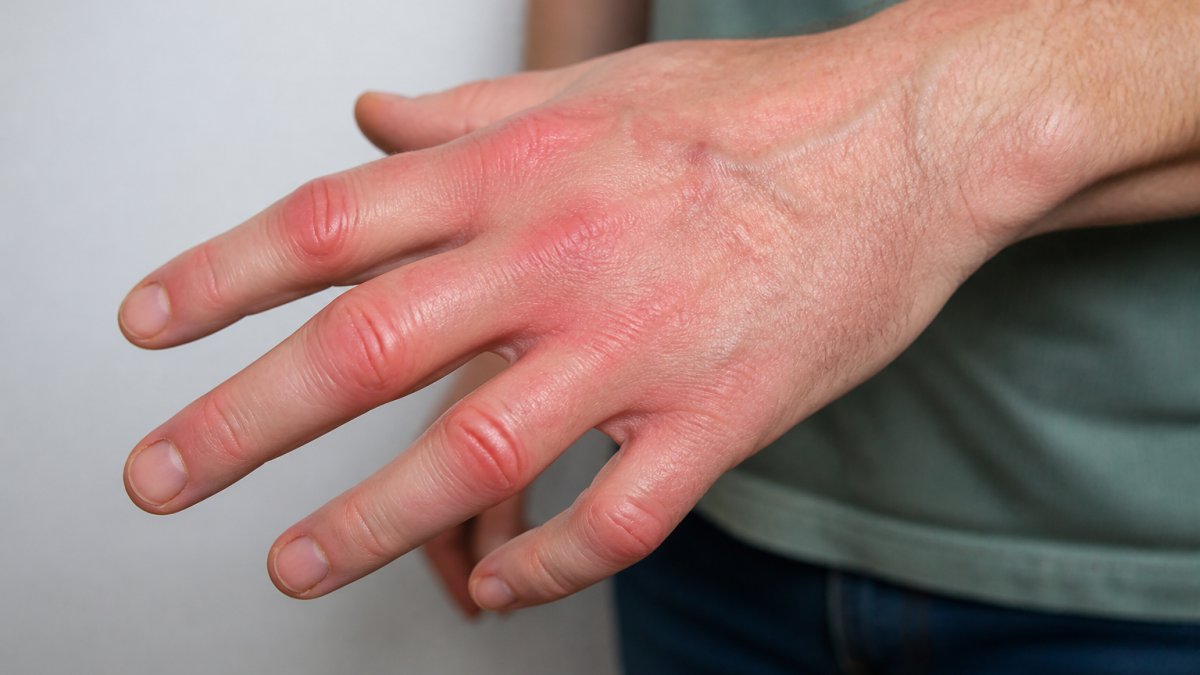
Diabetes and Circulation Problems
People with diabetes often have reduced sensation in their hands and feet (peripheral neuropathy).
High blood sugar also impairs circulation and slows healing, so a minor injury can take weeks and may become infected.
Who should avoid heat:
- Anyone with diabetes, especially if sensation is reduced
- People with diagnosed circulation problems
- Those with a history of vascular disease
A review on heat therapy for musculoskeletal pain conditions advises caution with heat therapy for people with diabetes, multiple sclerosis, poor circulation, spinal cord injuries, and rheumatoid arthritis.
A practical sensation check before any heat use: With eyes closed, have someone touch the area with a cool object, then a warm (not hot) one.
Neurological Conditions
Multiple sclerosis, spinal cord injuries, and other neurological conditions affect how your body senses temperature and pain. Heat may feel soothing at first but can trigger symptoms, worsen fatigue, or cause burns you don't feel until later.
People with MS often have heat sensitivity that worsens symptoms: a warm compress may feel good for 10 minutes, then trigger numbness, weakness, or vision problems (Uhthoff's phenomenon). Keep heat sessions short and stop at the first sign of new or worsening symptoms. Spinal cord injuries eliminate sensation below the injury site, making burns impossible to detect.
Neurological red flags:
- Multiple sclerosis or MS-like symptoms
- Spinal cord injury or damage
- Severe neuropathy (nerve damage)
Rheumatoid Arthritis and Active Inflammation
Rheumatoid arthritis is an autoimmune condition where the body attacks joint linings. Unlike osteoarthritis (wear and tear), RA creates ongoing inflammation, and heat can amplify that response and increase pain.
Osteoarthritis may respond to gentle heat, but rheumatoid arthritis typically requires cold during flares. When RA is active, joints are already inflamed, swollen, and warm; adding external heat is counterproductive.
Active RA symptoms include:
- Joint swelling that does not go down
- Morning stiffness lasting over an hour
- Warmth or redness in the joint
Fragile Skin, Medications, and Device Risks
Thin, fragile, or damaged skin burns faster and heals more slowly, including in older adults, people on long-term corticosteroids, and anyone with skin tears or pressure injuries.
Some medications increase sun and heat sensitivity or reduce the skin's ability to dissipate heat.
Penguin Fingers Cold Compression Gel Packs for Fingers and Toes →
Device and product risks to know:
- Electric heating pads: Many have automatic shutoff timers, but older or inexpensive models may not. Never use one that shows frayed cords, exposed wires, or a damaged plug. Do not sit or lie on a pad, which can concentrate heat and defeat the shutoff.
- Microwavable packs: These can develop hot spots. Shake them well and test the temperature against the inside of your wrist before applying.
- Topical pain products: Creams and patches containing menthol, camphor, or capsaicin create their own warming or cooling sensation. Combining them with a heating pad can compound skin irritation and burns. Do not apply heat over a medicated patch unless the product label explicitly allows it.
If you cannot remove the heat source yourself, or rely on someone else to check your skin, heat therapy is not safe without supervision.
Heat therapy is unsafe or ineffective for people with certain health conditions that affect sensation, circulation, or inflammation.
| Condition or Group | Why Heat Is Unsafe | Key Risk |
|---|---|---|
| Diabetes with reduced sensation | Cannot feel heat building until tissue damage occurs | Burns that go unnoticed |
| Poor circulation or vascular disease | Heat pools in tissue instead of dispersing | Burns and increased swelling |
| Multiple sclerosis | Heat sensitivity worsens symptoms and causes burns | Numbness, weakness, vision problems |
| Spinal cord injury | No sensation below injury site | Undetectable burns |
| Rheumatoid arthritis during flares | Heat amplifies ongoing autoimmune inflammation | Increased pain and swelling |
| Fragile or damaged skin | Burns faster and heals more slowly | Weeks-long healing time |
| Taking heat-sensitizing medications | Reduced ability to dissipate heat safely | Increased burn risk |
Heat Therapy for Arthritis: Why Timing Matters
Not all arthritis is the same, and timing determines whether heat helps or harms.
The key question: Is the joint actively inflamed right now? If yes, cold wins.
Osteoarthritis: Heat may help with stiffness, but avoid it if the joint is swollen.
Rheumatoid arthritis: Use cold during flares.
Gout: Always use cold. Gout is acute inflammation, and heat makes it worse.
Psoriatic arthritis: Similar to RA, avoid heat during flares.
How Long to Use Heat Therapy and Safe Application
If your condition does call for heat, duration and method matter: too much causes burns, too little doesn't help, and the safe window is narrow for higher-risk people.
Safe heat application guidelines:
- Duration: 15-20 minutes per session
- Frequency: 2-3 times per day with at least an hour between sessions
- Temperature: Warm, not hot (around 113°F is a safe starting point)
Never fall asleep with a heating pad. Never apply heat directly to skin. Never use heat on areas with reduced sensation. These are the most common causes of heat-related burns.
Device-Specific Safety
Not all heat sources carry the same risk. Electric pads vary widely in temperature control and shutoff features; an automatic shutoff reduces risk but is not permission to fall asleep. Check the cord and plug before each use and discard any pad with visible damage. Microwavable packs can develop hot spots, shake them well and test against your inner wrist.
Medication and Topical Product Interactions
Topical products with menthol, camphor, or capsaicin create their own warming or cooling sensation; combining them with a heating pad compounds irritation and burns. Do not apply heat over a medicated patch unless the label explicitly allows it.
What Heat Can and Cannot Do
Heat is a comfort measure, not a treatment for the underlying cause of joint pain. It relaxes muscles, improves short-term stiffness, and makes movement easier before exercise, but it does not repair cartilage, reverse arthritis, or resolve inflammation. Stiffness returning after a session is expected, not a sign you need longer or hotter sessions. Needing heat more often or at higher temperatures for the same relief is a reason to check in with a clinician.
Red Flags: When to Stop Heat and Seek Medical Care
Some symptoms mean you should stop heat immediately and contact a healthcare provider. Worsening pain, unusual swelling, or signs of nerve damage demand professional evaluation.
Stop heat and seek medical attention if:
- Pain increases instead of decreasing
- Swelling grows larger or spreads
- Skin develops blisters, burns, or unusual discoloration
These red flags suggest something beyond simple joint pain, infection, serious inflammation, or structural damage. Heat won't help, and delaying medical care can make things worse.
Also seek care if you have questions about whether heat is safe for your specific condition.
Cold Compression as a Safer Alternative for Joint Pain
Cold compression combines the pain-numbing effect of cold with the swelling-reducing effect of compression, addressing both the symptom (pain) and the underlying problem (inflammation).
Our cold compression therapy sleeves deliver targeted relief.
Why cold compression beats heat for most joint conditions:
- Reduces inflammation immediately
- Numbs pain without medication
- Safe for people with diabetes or circulation issues
Learn more about how to safely use ice packs for knee arthritis and explore compression therapy for joint pain to find the right approach for your situation.
Joint pain doesn't always call for heat, and using heat on the wrong condition can make pain worse instead of better.
Frequently Asked Questions
Why does heat make joint pain worse?
Heat increases blood flow to an area, which can worsen acute inflammation and swelling in newly injured joints. An international consensus study found that while heat therapy is frequently described as a musculoskeletal pain treatment, scientific evidence remains limited. Heat works best for chronic stiffness, not active inflammation. If your joint is already inflamed, applying heat can increase swelling and pain rather than relieve it.
Should I use ice or heat for knee pain?
The choice between ice or heat for knee pain depends on timing and the type of pain. Use cold therapy first for acute injuries, sprains, or active swelling, apply for 15 to 20 minutes every 2 or 3 hours. Heat works better for chronic stiffness and muscle tension after the acute phase passes. A 2024 review found that low-level continuous heat used with physical therapy improved chronic knee pain recovery, but caution is needed with active inflammation.
How long should you apply heat to a joint?
Most experts recommend applying heat for 15 to 20 minutes at a time, or up to 20 to 30 minutes for deeper muscle tension. Never exceed 30 minutes in one session, as prolonged heat can damage skin and increase inflammation. Allow at least an hour break between applications. Always use a towel barrier or protective layer between the heat source and your skin to prevent burns.
Who should avoid heat therapy for joint pain?
People with diabetes, multiple sclerosis, poor circulation, spinal cord injuries, and rheumatoid arthritis should use caution or avoid heat therapy. A 2025 review specifically advises against heat for these groups due to reduced sensation, impaired healing, or risk of worsening inflammation. If you have any of these conditions, consult your health care provider before using heat. Cold compression therapy is often a safer choice for these populations.


