

Table of Contents
- How Compression Works for Joint Pain
- Cold Compression Therapy Benefits
- Compression for Arthritis Management
- Compression Therapy for Sports Performance and Recovery
- How Long to Wear Compression Sleeves
- When to Avoid Compression Therapy
- Types of Compression Garments and Choosing the Right Fit
- Conclusion
Last Updated: August 25, 2026
How Compression Works for Joint Pain
Compression therapy applies controlled pressure to affected joints and tissues to reduce swelling, improve blood circulation, and provide pain relief. When you wear a compression garment over a sore joint, the elastic material creates a graduated pressure gradient that supports soft tissues, stabilizes the joint, and limits excessive movement that can aggravate pain.

Compression reduces the space available for swelling to accumulate. When tissue becomes inflamed due to injury, arthritis, or overuse, fluid builds up in the joint cavity and surrounding muscles. A well-fitted compression sleeve counteracts this by applying external pressure, which helps contain inflammation and prevents additional fluid from pooling. The pressure gradient also improves venous return, meaning blood flows more efficiently back toward the heart, carrying metabolic waste products like lactic acid away from damaged tissue.
Compression also enhances proprioception, your body's awareness of where it is in space. The gentle pressure stimulates sensory receptors in the skin and underlying tissues, sending signals to your brain about joint position and movement. This feedback helps stabilize the joint during activity and reduces compensatory movement patterns that can worsen pain.
At Penguin Fingers, we've designed our compression sleeves to deliver therapeutic pressure consistently across the affected area. Unlike generic elastic bandages that lose tension with movement, our wearable designs maintain optimal pressure throughout the day, whether you're managing chronic arthritis or recovering from a sports injury.
Cold Compression Therapy Benefits
Cold compression combines two therapeutic approaches: the numbing effect of cold and the stabilizing effect of compression. When applied together, they work synergistically to reduce pain and accelerate recovery.
Cold therapy, also called cryotherapy, reduces nerve signaling by lowering tissue temperature. Cold slows the speed at which pain signals travel along nerves to your brain. Simultaneously, cold causes blood vessels to constrict, which reduces blood flow to the area and minimizes inflammatory swelling. Compression amplifies these benefits by preventing new inflammatory fluid from accumulating while cold reduces inflammation.
Reducing Swelling and Edema
Swelling occurs when damaged tissue releases inflammatory chemicals that cause blood vessels to leak fluid into surrounding tissues. This edema restricts movement, compresses nerves, and creates stiffness and pain. Cold compression addresses this directly.
The cold component causes vasoconstriction, narrowing blood vessels and reducing fluid leakage into tissues. Compression provides external pressure that physically contains any fluid already present and prevents additional accumulation. For chronic conditions like arthritis, regular cold compression therapy throughout the day keeps edema under control and prevents the morning stiffness that typically accompanies joint inflammation.

Improving Blood Circulation and Recovery
Cold therapy initially constricts blood vessels, but after the cold stimulus ends and tissue warms back up, blood vessels dilate dramatically. This reactive hyperemia, a surge of fresh blood flow, brings oxygen and nutrients to the damaged area while flushing out metabolic waste products that accumulate during injury and inflammation.
Compression enhances this process by containing swelling and stabilizing the joint, allowing underlying muscles to relax. Relaxed muscles don't restrict blood flow the way tense, guarded muscles do. This cycle of cold-induced vasoconstriction followed by reactive vasodilation is particularly valuable for sports recovery. Athletes applying cold compression after training experience faster clearance of lactic acid and other metabolic byproducts from muscle tissue, reducing soreness and accelerating repair.
Compression for Arthritis Management
Arthritis involves chronic joint inflammation and progressive cartilage breakdown. Unlike acute injuries that heal with time, arthritis requires ongoing management. Compression therapy provides a practical, drug-free intervention that works alongside medical treatment.
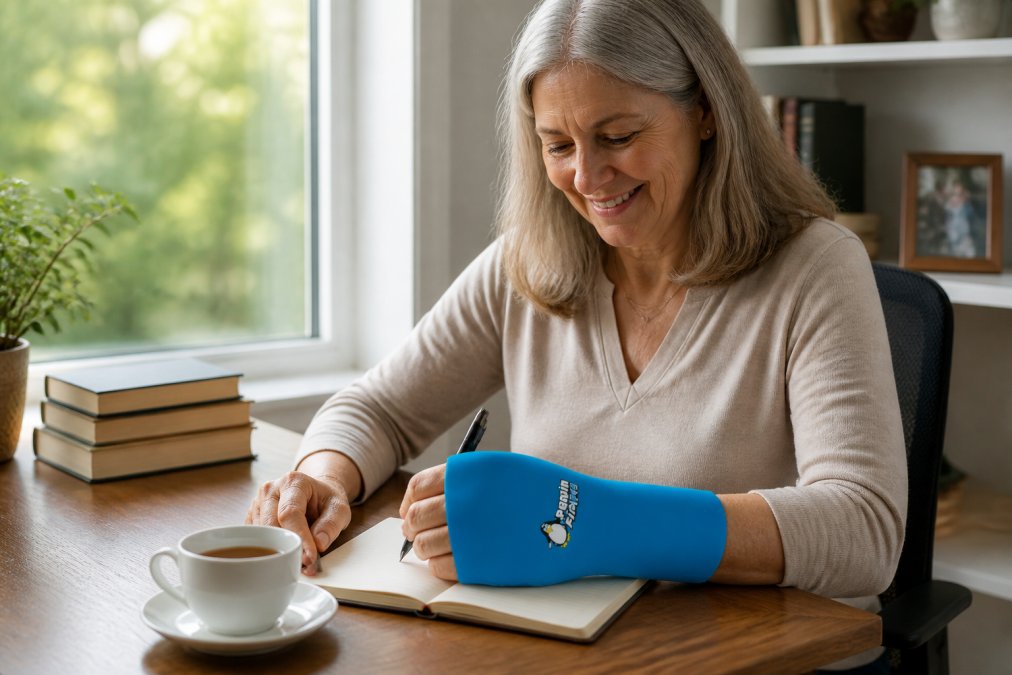
For people with arthritis, compression reduces chronic swelling that characterizes arthritic joints. Arthritic joints produce excess synovial fluid and inflammatory compounds, leading to persistent edema. Compression contains this swelling, immediately reducing pain and improving mobility. Many arthritis sufferers report that their joints feel "looser" and less stiff when wearing compression.
Compression also improves joint stability. Arthritic joints often feel unstable because cartilage loss changes how joint surfaces fit together and surrounding muscles weaken from disuse due to pain. A compression sleeve acts as an external brace, providing the stability the joint has lost. This allows people to move more confidently and engage in physical activity without fear of the joint giving way.
Because compression reduces pain and improves stability, it makes daily activities easier, gripping objects, climbing stairs, walking longer distances. This increased activity is therapeutic for arthritis, as movement stimulates cartilage nutrition and maintains muscle strength, both of which slow arthritis progression.
The Penguin Fingers Knee Cold Compression Therapy Sleeve and our Elbow and Foot Cold Compression Therapy Sleeve are specifically designed for arthritic joints. The dual hot and cold capability means you can use cold therapy during flare-ups when inflammation spikes, then switch to heat therapy on days when stiffness is the primary complaint.

Compression Therapy for Sports Performance and Recovery
Athletes use compression therapy to enhance performance during activity and accelerate recovery afterward. During athletic activity, compression sleeves reduce muscle oscillation, the small, inefficient vibrations muscles make during movement. By damping this vibration, compression reduces the energy cost of movement, allowing athletes to maintain performance longer before fatigue sets in. Improved proprioceptive feedback also helps athletes maintain better movement patterns, reducing injury risk.
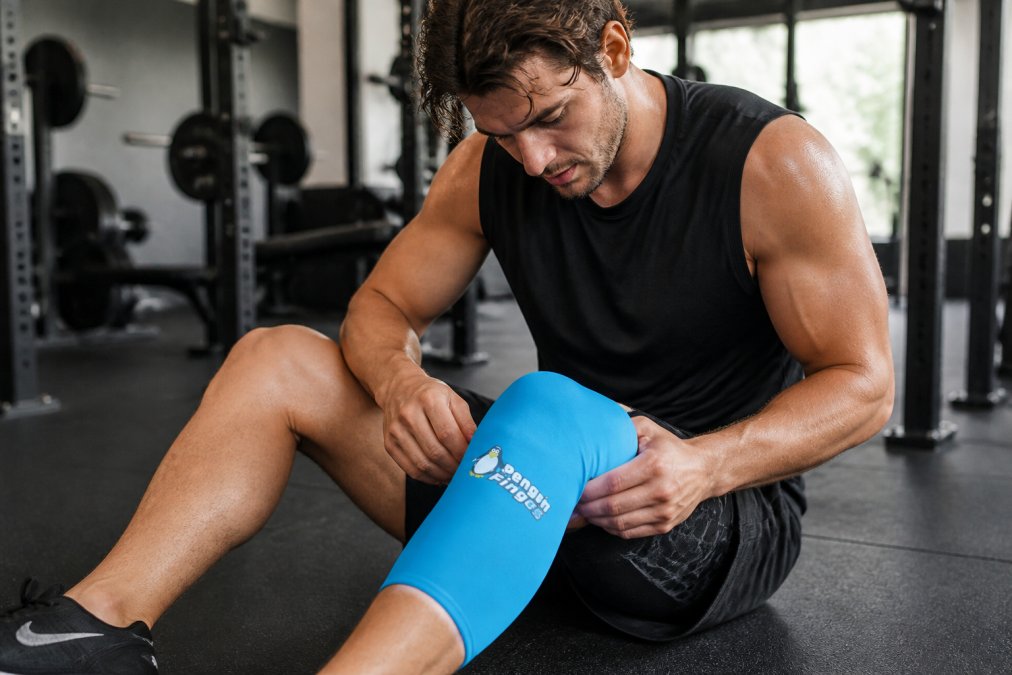
For post-activity recovery, cold compression is particularly valuable. Intense training creates micro-tears in muscle fibers, triggers inflammatory responses, and produces metabolic byproducts like lactic acid that contribute to soreness. Cold compression reduces inflammation, improves circulation to clear metabolic waste, and provides pain relief that allows athletes to begin recovery protocols sooner. Many athletes apply cold compression immediately after training, then switch to heat compression the following day to promote healing blood flow.
Cold compression is most effective in the first 24-48 hours after intense activity or injury, when acute inflammation is highest (peer-reviewed research). After that window, heat compression becomes more valuable because inflammation has subsided and the focus shifts to promoting healing circulation and reducing stiffness.
How Long to Wear Compression Sleeves
The duration you should wear compression sleeves depends on your specific situation and the type of compression you're using.
For acute injuries, sprains, strains, or post-operative recovery, cold compression should be applied for 15-20 minutes at a time, several times per day, typically for the first 48-72 hours (acsm.org). After the first few days, as acute swelling subsides, many people switch to longer wearing periods with less-frequent applications.
For chronic conditions like arthritis, many people wear compression sleeves throughout the day during flare-ups, removing them only at night. Some individuals find that wearing compression during high-activity periods prevents flare-ups entirely, while others prefer consistent all-day wear for predictable symptom management. Your tolerance and symptom response should guide duration.
For sports performance and recovery, compression is typically worn during activity and for several hours afterward. Some athletes sleep in compression sleeves on recovery nights to maintain reduced swelling overnight. Consistency is key, sporadic use produces inconsistent results, while regular wear provides reliable benefit.
Pay attention to your skin. Compression sleeves should be removed for at least a few hours daily to allow skin to breathe and prevent irritation. If you notice redness, itching, or skin breakdown, reduce wearing duration or take a break.
When to Avoid Compression Therapy
While compression therapy is safe for most people, certain conditions warrant caution or avoidance.
Avoid compression if you have deep vein thrombosis (DVT) or a history of blood clots (the CDC). Compression increases venous pressure, which can dislodge clots or worsen clot formation. Do not apply compression over open wounds, severe skin infections, or areas with compromised skin integrity.
Be cautious with compression if you have peripheral neuropathy (nerve damage) or significantly reduced sensation in the affected area. Compression can cause pressure sores in areas where you can't feel pain to alert you to problems.
Avoid compression if you have severe peripheral arterial disease or compromised arterial circulation. Cold compression specifically should be avoided if you have cold intolerance, Raynaud's phenomenon, or cryoglobulinemia.
If you're pregnant, consult your healthcare provider before using compression sleeves. Compression should not be so tight that it causes numbness, tingling, or color changes in the skin. If compression creates these symptoms, it's too tight, loosen it or remove it.
Types of Compression Garments and Choosing the Right Fit
Compression garments come in various styles, each designed for specific body areas and purposes.
Sleeves and wraps are the most common type, covering a single joint or region, finger sleeves, wrist wraps, knee sleeves, ankle wraps, or elbow sleeves. They offer targeted compression while allowing freedom of movement in other joints.
Full-body compression garments cover larger areas, such as arm sleeves extending from hand to shoulder or leg sleeves from foot to hip. These are useful for people with pain in multiple joints.
Gloves and socks provide compression to fingers and toes specifically. For arthritis sufferers or athletes with hand and foot injuries, these specialized garments deliver compression exactly where it's needed.
Wraps and bandages are adjustable, allowing you to customize pressure levels. The trade-off is that wraps require more setup time and can loosen with movement.
Gel-based compression sleeves combine compression fabric with integrated cooling gel packs. The Penguin Fingers Cold Compression Gel Packs for Fingers and Toes exemplify this approach, offering both compression and cold therapy in a single wearable product.
Choosing the right fit is critical for effectiveness and comfort. Proper fit means the garment should feel snug but not painful. You should be able to slide one finger under the edge of the garment. If you can't fit a finger under it, it's too tight. If the garment slides around or feels loose, it's too large and won't provide effective compression.
Measure carefully before purchasing. Most compression garments provide sizing charts based on limb circumference and length. Accurate measurements ensure you get a garment that actually fits your body.
Consider the material and construction. Quality compression garments use moisture-wicking fabrics that pull sweat away from skin, reducing the warm, moist environment that promotes skin irritation. Neoprene is durable and warm, making it good for arthritis management. Fabric blends with spandex or nylon offer breathability for all-day wear. The Penguin Fingers Wrist Cold Compression Pack uses non-toxic, latex-free materials that are safe for sensitive skin.
Think about your lifestyle. If you need compression during work or daily activities, you want something discreet that fits under clothing. If you're using compression primarily for recovery at home, a more visible, highly functional design might be acceptable.
Compression therapy offers a practical, drug-free approach to managing joint pain whether you're dealing with chronic arthritis, recovering from sports injuries, or addressing acute swelling. The combination of pressure, improved circulation, and enhanced joint stability addresses pain from multiple angles simultaneously. By understanding how compression works, when to use it, and how to fit it properly, you can harness its benefits for meaningful relief.
Penguin Fingers specializes in targeted compression solutions designed for the joints and conditions that matter most, our Cold Compression Gel Packs for Fingers and Toes, Wrist Cold Compression Pack, and dual hot-and-cold therapy sleeves deliver therapeutic pressure with the flexibility to address both acute flare-ups and long-term pain management. Start with a compression garment matched to your specific joint and need, wear it consistently, and monitor how your body responds.
=== FAQ ANSWERS (audit these too, same rules) ===
[1] Q: Will compression sleeves work for chronic arthritis, or are they mainly for fresh sports injuries? A: Compression therapy benefits both chronic arthritis and acute injuries. For arthritis, consistent compression reduces swelling, improves joint stability, and provides ongoing pain relief. Many people with long-term arthritis wear compression sleeves daily or during flare-ups. The key difference is that acute injuries may see faster relief, while arthritis management is about sustained comfort and reducing stiffness over time. Penguin Fingers designs target specific joints affected by arthritis, like fingers, knees, and elbows.
[2] Q: How long should I wear compression sleeves each day for joint pain? A: Most people wear compression sleeves for 2-4 hours during the day when pain or swelling is worst, or all day for chronic conditions like arthritis. Some wear them overnight for extra support. Start with shorter periods (1-2 hours) to see how your joint responds, then adjust based on comfort. If you have a flare-up, wearing compression longer can help reduce inflammation faster. Always follow product guidelines and consult a healthcare provider if you have concerns about duration.
[3] Q: What makes cold compression therapy different from just using a regular ice pack? A: Cold compression combines cooling with sustained pressure, which ice packs alone don't provide. The pressure reduces swelling and improves blood circulation more effectively than cold alone, while compression keeps the cold therapy in place and distributes it evenly. Wearable compression sleeves like Penguin Fingers also allow you to stay mobile and active during treatment, whereas ice packs require you to stay still. This dual action accelerates healing and provides longer-lasting relief.
[4] Q: When should I avoid using compression therapy for joint pain? A: Avoid compression therapy if you have severe vascular disease, deep vein thrombosis (DVT), open wounds, or skin infections in the affected area. Do not use compression if you have numbness or tingling that worsens with pressure, or if your doctor has advised against it. Compression is also not recommended immediately after surgery without medical clearance. If you have diabetes or circulatory issues, consult your healthcare provider before starting compression therapy to ensure it's safe for your specific condition.
Frequently Asked Questions
Will compression sleeves work for chronic arthritis, or are they mainly for fresh sports injuries?
Compression therapy benefits both chronic arthritis and acute injuries. For arthritis, consistent compression reduces swelling, improves joint stability, and provides ongoing pain relief. Many people with long-term arthritis wear compression sleeves daily or during flare-ups. The key difference is that acute injuries may see faster relief, while arthritis management is about sustained comfort and reducing stiffness over time. Penguin Fingers designs target specific joints affected by arthritis, like fingers, knees, and elbows.
How long should I wear compression sleeves each day for joint pain?
Most people wear compression sleeves for 2-4 hours during the day when pain or swelling is worst, or all day for chronic conditions like arthritis. Some wear them overnight for extra support. Start with shorter periods (1-2 hours) to see how your joint responds, then adjust based on comfort. If you have a flare-up, wearing compression longer can help reduce inflammation faster. Always follow product guidelines and consult a healthcare provider if you have concerns about duration.
What makes cold compression therapy different from just using a regular ice pack?
Cold compression combines cooling with sustained pressure, which ice packs alone don't provide. The pressure reduces swelling and improves blood circulation more effectively than cold alone, while compression keeps the cold therapy in place and distributes it evenly. Wearable compression sleeves like Penguin Fingers also allow you to stay mobile and active during treatment, whereas ice packs require you to stay still. This dual action accelerates healing and provides longer-lasting relief.
When should I avoid using compression therapy for joint pain?
Avoid compression therapy if you have severe vascular disease, deep vein thrombosis (DVT), open wounds, or skin infections in the affected area. Do not use compression if you have numbness or tingling that worsens with pressure, or if your doctor has advised against it. Compression is also not recommended immediately after surgery without medical clearance. If you have diabetes or circulatory issues, consult your healthcare provider before starting compression therapy to ensure it's safe for your specific condition.
This article was written using GrandRanker


