

Table of Contents
- Cold Compression Therapy for Arthritis: How It Compares
- Physical Therapy and Therapeutic Exercise
- How Long to Wear Compression Sleeves for Joint Pain
- Benefits of Hot and Cold Therapy for Arthritis
- Anti-Inflammatory Diet and Omega-3 Supplementation
- Yoga, Tai Chi, and Movement Therapies
- Cost-Benefit Analysis: Home Therapy vs. Professional Treatment
- Conclusion
Last Updated: August 17, 2026
Cold Compression Therapy for Arthritis: How It Compares
Cold compression therapy is one of the most accessible alternatives to traditional arthritis management. When you apply cold compression to an inflamed joint, vasoconstriction reduces blood flow to the area, decreasing swelling and numbing pain signals. The compression component stabilizes the joint and limits inflammatory fluid buildup.
Cold compression therapy delivers localized relief within minutes, unlike oral medications that take time to enter your system. Many people find that wearing a sleeve for 15-20 minutes provides noticeable reduction in joint stiffness and pain, making it practical for work, home, or recovery routines.
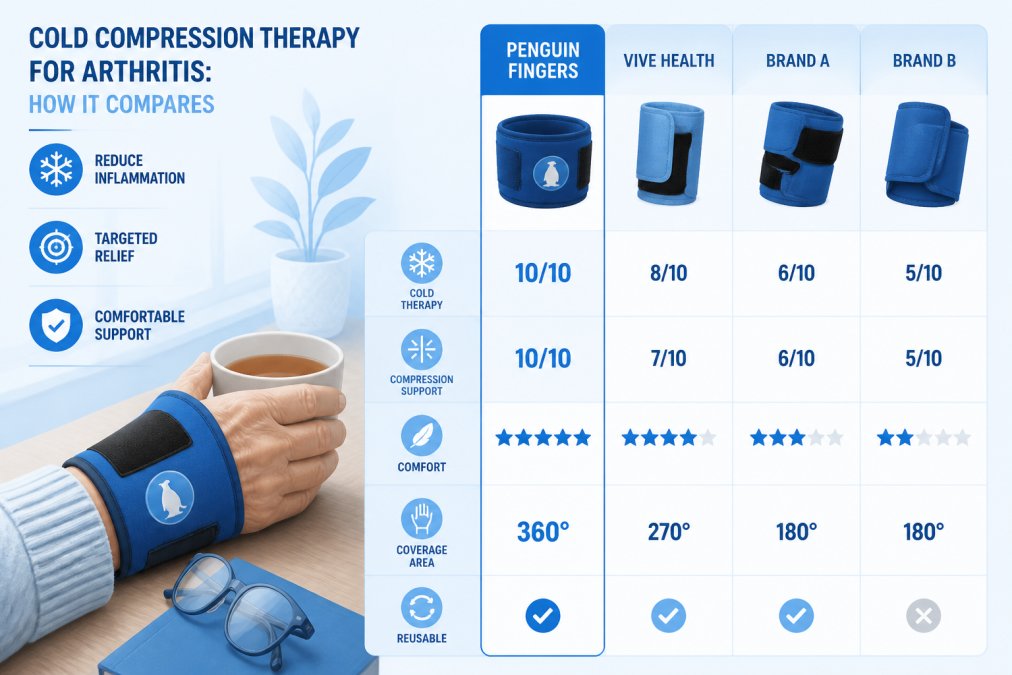
Penguin Fingers has designed cold compression sleeves specifically for arthritis sufferers, offering targeted relief without the mess of traditional ice packs. Their approach combines flexible gel technology with form-fitting designs that stay in place during daily activities. The Penguin Fingers Cold Compression Gel Packs for Fingers and Toes ($14.95) work by inserting your finger or toe directly into the sleeve, with no freezing your whole hand or foot and no ice dripping everywhere.

What sets cold compression apart from other alternatives is the dual benefit of cooling plus compression. A regular ice pack provides cold but no structural support. A regular compression sleeve provides support but no temperature therapy. Cold compression therapy combines both, addressing inflammation from two angles simultaneously. This is why physical therapists often recommend it as a first-line intervention for acute flare-ups.
The downside is straightforward: cold therapy is temporary relief, not a cure. You'll need to reapply it regularly, and it works best for inflammatory conditions rather than degenerative joint changes. For chronic arthritis, cold compression becomes part of a broader management strategy, not the entire solution.
Physical Therapy and Therapeutic Exercise
Physical therapy targets the root cause of many arthritis problems: weak supporting muscles and restricted range of motion. When muscles around a joint weaken, the joint itself bears more load and deteriorates faster. Therapeutic exercise rebuilds that muscular support, reducing pain and improving function over time.
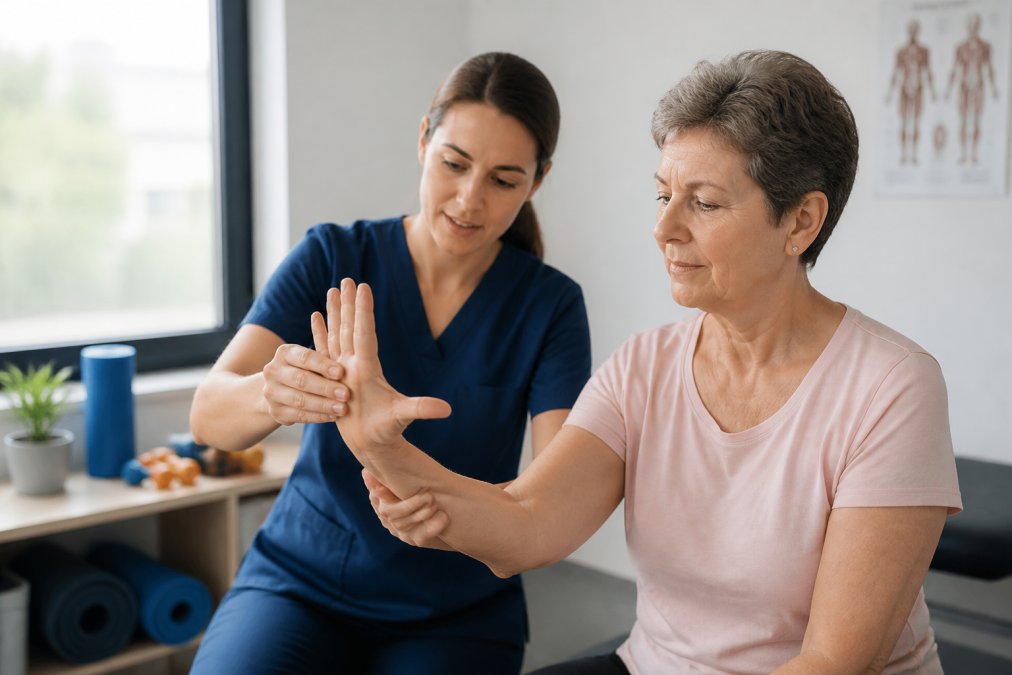
A typical physical therapy program includes range-of-motion exercises, strengthening work, and flexibility drills tailored to your specific joints. These low-impact exercises, gentle stretching, resistance band work, and controlled movements, build strength without triggering pain. Many people see measurable improvement in mobility and pain levels within 4-6 weeks of consistent therapy.
What makes physical therapy different from self-directed exercise is the expertise. A licensed therapist assesses your movement patterns, identifies compensations, and adjusts your program as you progress. For someone with multiple arthritic joints, this guidance is invaluable because arthritis in one area often changes how you move everywhere else.
The trade-off is time and cost. Physical therapy typically requires 2-3 appointments per week for 6-8 weeks, with out-of-pocket costs ranging $50-150 per session depending on location. For people with limited mobility or transportation challenges, in-person therapy becomes difficult.
Home-based therapeutic exercise offers a middle ground. You can learn basic movements from a physical therapist and practice independently, using cold compression therapy from Penguin Fingers between sessions to manage inflammation. Many arthritis sufferers combine a few professional sessions with self-directed daily exercise, reducing both cost and scheduling burden while maintaining progress.
How Long to Wear Compression Sleeves for Joint Pain
The ideal duration for wearing a compression sleeve depends on your situation, but general guidance clusters around 15-30 minutes per session for acute flare-ups and 1-2 hours for chronic daily management. The key is avoiding continuous wear beyond what's needed, your skin needs air circulation, and constant pressure can reduce effectiveness over time.
For acute inflammation, wear your compression sleeve for 15-20 minutes, remove it for 30 minutes, then reapply if needed. This cycle allows your body to recover between sessions and prevents skin irritation. Most people can repeat this 3-4 times per day during a flare without problems.
For chronic joint pain, wearing a sleeve for 1-2 hours during the day (especially during activities that aggravate your joints) provides sustained relief without overdoing it. Office workers managing carpal tunnel or wrist pain, for example, often wear a compression sleeve during typing-heavy hours and remove it during breaks.
Sleeping in a compression sleeve is generally safe if it's not too tight, and many people report better morning stiffness with overnight compression. However, if the sleeve causes numbness, tingling, or discomfort during sleep, remove it, interrupted sleep does more damage than the benefit of overnight compression.
If you're uncomfortable, your skin is irritated, or you feel numbness, you're wearing it too long. Penguin Fingers' wearable designs, like the Wrist Cold Compression Pack ($16.95), are engineered to stay comfortable during extended wear, but even the best sleeve shouldn't become a permanent fixture. Listen to your body, some days you'll need more compression; other days, less. If you're unsure, ask your physical therapist or doctor for personalized timing recommendations.

Benefits of Hot and Cold Therapy for Arthritis
Cold and heat serve different purposes in arthritis management. Cold therapy excels at reducing acute inflammation and numbing pain, it's your go-to for sudden flare-ups, swelling, and sharp pain. Heat therapy relaxes stiff muscles, improves circulation, and eases chronic pain tied to muscle tension rather than active inflammation.
Many arthritis sufferers think they must choose one or the other. The truth is more nuanced: strategic alternation between hot and cold often produces better results than either alone. A common pattern is cold therapy in the morning to reduce overnight stiffness and inflammation, followed by gentle movement, then heat therapy in the evening to relax muscles after activity.
Cold therapy reduces joint inflammation by constricting blood vessels and slowing inflammatory processes, making it especially effective immediately after an injury or during an acute flare. Heat therapy increases blood flow and relaxes muscle tension. For chronic arthritis where stiffness is the main problem, heat often provides more relief than cold.
Penguin Fingers offers dual hot and cold options in their compression sleeves, meaning you can freeze the same sleeve for cold therapy or microwave it for heat therapy. The Penguin Fingers Knee Cold Compression Therapy Sleeve ($28.95) and Elbow and Foot Cold Compression Therapy Sleeve ($22.95) both provide this dual functionality, eliminating the need to buy separate products.

Apply cold immediately after activity that aggravates your joints or during acute flare-ups. Apply heat when dealing with stiffness, especially in the morning or after periods of inactivity. If unsure, start with cold, it's harder to overdo cold therapy than heat, and it addresses the inflammation that drives most arthritis pain.
Anti-Inflammatory Diet and Omega-3 Supplementation
What you eat directly influences how much inflammation your body produces, making diet one of the most underrated tools for arthritis management. An anti-inflammatory diet shifts toward foods that reduce inflammatory markers and away from foods that amplify them.
Omega-3 fatty acids actively reduce inflammatory cytokines, the signaling molecules that drive joint pain and swelling. Fatty fish like salmon, mackerel, and sardines are excellent sources. Aim for 2-3 servings per week, or supplement with fish oil if you don't eat fish regularly. If you supplement, look for products standardized to EPA and DHA content, these are the specific omega-3 compounds with the strongest anti-inflammatory evidence. A typical dose is 1-2 grams daily, but check with your doctor before starting, especially if you're on blood thinners.
A Mediterranean-style diet consistently shows benefits for arthritis management: plenty of vegetables, fruits, whole grains, legumes, olive oil, and moderate fish consumption. The abundance of antioxidants and polyphenols in these foods helps counter the oxidative stress that accompanies chronic inflammation.
Minimize refined carbohydrates, added sugars, and processed oils high in omega-6 fatty acids, which shift your inflammatory balance in the wrong direction. Red meat and full-fat dairy contain arachidonic acid, which your body converts into inflammatory mediators, so moderation is wise for arthritis sufferers.
A practical starting point: add one anti-inflammatory element to your current diet each week. This gradual approach is more sustainable than overhauling everything at once. Combined with cold compression therapy and physical activity, dietary changes can reduce arthritis pain and improve function noticeably within 8-12 weeks.
Yoga, Tai Chi, and Movement Therapies
Gentle movement therapies like yoga and tai chi address arthritis through consistent, mindful movement. Unlike high-impact exercise that can aggravate arthritic joints, these practices emphasize controlled, low-stress motion that strengthens supporting muscles without jarring the joints.
Yoga for arthritis focuses on gentle stretching, range-of-motion work, and balance. A typical arthritis-friendly yoga class includes poses held for longer periods at lower intensity, modifications for limited mobility, and breathing work that reduces the stress-tension cycle. Many people find that regular yoga practice improves range of motion and reduces morning stiffness within 4-6 weeks.
Tai chi is a Chinese martial art that emphasizes slow, flowing movements and weight shifting. It's particularly valuable for balance and proprioception. For older adults with arthritis, improved balance reduces fall risk, which is critical for joint safety. Tai chi also builds leg strength gradually, reducing load on arthritic knees and hips.
The key difference between these movement therapies and standard exercise is the mindfulness component. You're focusing on how movement feels, adjusting intensity based on feedback, and building body awareness. This attention reduces the likelihood of overuse injuries and helps you recognize which movements aggravate your specific joints.
Classes are widely available in most communities through gyms, studios, and community centers. Many are specifically designed for people with joint problems, with instructors who understand modifications and limitations. Group classes also provide social connection, which research shows reduces pain perception and improves adherence.
Movement therapies require regular practice, ideally 3-4 times per week, to produce meaningful results. Many people combine movement therapy with cold compression therapy for acute flare-ups, using the compression sleeve to manage inflammation while the movement work builds long-term resilience.
Cost-Benefit Analysis: Home Therapy vs. Professional Treatment
When evaluating arthritis alternatives, cost often becomes the deciding factor. Home-based therapies like cold compression sleeves, self-directed exercise, and dietary changes are inexpensive and accessible. Professional treatments like physical therapy, massage therapy, and specialist consultations cost significantly more but offer expertise and personalization.
| Therapy Type | Typical Cost | Time Commitment | Effectiveness Timeline | Best For |
|---|---|---|---|---|
| Cold compression sleeve | $15-$30 (one-time) | 15-30 min/session | Immediate relief | Acute flare-ups, daily management |
| Home exercise program | Free-$50/app | 20-30 min/day | 4-6 weeks | Building strength, long-term mobility |
| Physical therapy | $50-$150/session | 2-3x/week, 6-8 weeks | 4-6 weeks | Severe limitation, post-injury |
| Massage therapy | $60-$120/session | 1x/week ongoing | 2-4 weeks | Muscle tension, chronic pain |
| Yoga/tai chi classes | $15-$25/class | 1-2x/week | 4-6 weeks | Mobility, balance, stress |
| Dietary changes | Varies by choices | Daily eating | 8-12 weeks | Long-term inflammation control |
Most effective arthritis management combines elements from multiple categories. A person might use a cold compression sleeve from Penguin Fingers for daily management ($14.95-$28.95 depending on the body part), do home exercise 5 days per week, attend physical therapy twice weekly for 6 weeks, then transition to a yoga class for ongoing maintenance.
The cost-benefit calculation depends on your severity and goals. Someone with mild arthritis affecting one joint might get 90% of the benefit from a $20 compression sleeve and consistent home exercise. Someone with severe, multi-joint arthritis probably needs professional physical therapy to assess their movement patterns and create a personalized program.
Insurance coverage shifts the equation. Physical therapy is often covered if prescribed by a doctor. Cold compression sleeves and home exercise are never covered, but they're inexpensive. A practical strategy: start with the least expensive, most accessible options. Use a cold compression sleeve for immediate relief, do home exercise consistently, and adjust your diet. If you're not seeing meaningful improvement after 8-12 weeks, invest in a few physical therapy sessions to get professional guidance. Once you understand proper form and technique, you can continue independently at home.
Managing arthritis doesn't require choosing between expensive professional treatment and doing nothing. The alternatives available today, from cold compression therapy to movement practices to dietary adjustments, offer real relief at various price points. Penguin Fingers makes it simple to start with cold compression therapy, which addresses inflammation immediately while you build longer-term strategies like exercise and dietary change. Their targeted sleeves and wraps are designed specifically for arthritis pain, offering the comfort and effectiveness that makes consistent use practical. Start with what fits your budget and lifestyle, then layer in additional approaches as needed. Most people find that combining a few strategies produces better results than relying on any single method alone.
Frequently Asked Questions
What are the best non-surgical treatments for arthritis pain?
Non-surgical arthritis treatments include cold compression therapy, which reduces joint inflammation and swelling; physical therapy and therapeutic exercise to improve range of motion; anti-inflammatory diet rich in omega-3 fatty acids; and movement therapies like yoga and tai chi. Many people find success combining approaches, for example, wearing a compression sleeve during the day while practicing gentle stretching exercises. Cold compression therapy sleeves specifically target joint stiffness and provide immediate relief without medication, making them a practical first-line option for chronic pain management.
How does cold compression therapy help with arthritis?
Cold compression therapy addresses arthritis through two mechanisms: cold reduces joint inflammation and numbs pain signals, while compression supports the joint and improves blood flow. This combination decreases swelling, improves mobility, and reduces functional impairment. Cold compression therapy for arthritis works best for acute flare-ups and ongoing management. Wearing a compression sleeve for 15-30 minutes several times daily helps maintain symptom control. The Penguin Fingers Cold Compression Gel Packs for Fingers and Toes ($14.95) deliver targeted relief specifically designed for arthritic joints in your hands and feet.
How long should I wear compression sleeves for joint pain?
Duration depends on your condition and symptoms. Most people benefit from wearing compression sleeves for 15-30 minutes at a time, several times throughout the day. For chronic arthritis, you can wear them during flare-ups or whenever stiffness increases. Some users wear them while working or exercising to prevent pain. Never exceed 2-3 hours continuously without removing the sleeve to allow skin to breathe. Start with shorter sessions and gradually extend wear time as comfort improves. Listen to your body, if discomfort increases, reduce wear duration and consult a healthcare provider.
Can hot and cold therapy reduce arthritis inflammation?
Yes, both therapies reduce inflammation but work differently. Cold therapy (15-20 minutes) immediately numbs pain and reduces swelling during acute flare-ups. Heat therapy (15-20 minutes) relaxes stiff muscles and improves blood circulation for chronic stiffness. Many people alternate between cold and heat for optimal results. The benefits of hot and cold therapy for arthritis include faster recovery, improved range of motion, and reduced reliance on pain medication. Penguin Fingers offers dual hot and cold options, freeze the sleeves for cold therapy or microwave them for heat therapy, giving you flexibility to match your symptom type.
What should I look for in an arthritis compression sleeve?
Choose sleeves that offer targeted compression for your specific joint (fingers, wrist, elbow, or knee), are made from non-toxic, latex-free materials, and provide both hot and cold therapy options. Look for flexible designs that conform to your body without restricting circulation. Consider ease of use, you'll wear it more consistently if it's simple to put on and remove. Verify the product is designed specifically for arthritis rather than generic compression. Check for customer reviews mentioning long-term pain relief and durability. Penguin Fingers products are AARP-recommended, non-toxic, and purpose-built for arthritic joint pain across multiple body areas.
This article was written using GrandRanker


