

Last Updated: November 21, 2026
Quick Summary
Joint pain relief eases the ache, soreness, and stiffness you feel, while inflammation reduction lowers the swelling and immune activity in the tissue itself. A product can do one without the other. Acetaminophen and cold compression ease pain, while NSAIDs address both pain and swelling.
- Acetaminophen relieves pain within about 30 to 60 minutes but does not reduce swelling.
- Oral NSAIDs like ibuprofen and naproxen sodium address both pain and swelling.
- Cold compression eases soreness and may limit short-term swelling but does not treat chronic inflammation.
- Topical diclofenac gel has much less systemic exposure but often needs several days of regular use.
- See a clinician for swelling that is hot, red, or accompanied by fever, or pain that does not improve.
Table of Contents
- Symptom Relief vs Inflammation Reduction: Why the Difference Matters
- Over-the-Counter Pain Relievers and Anti-Inflammatory Medicines Compared
- Cold Compression for Joint Pain and Swelling: What It Does and Doesn't Do
- How to Reduce Joint Inflammation Quickly and What Speed to Expect
- Heat, Rest, Exercise, and Supports: Home Treatment for Joint Pain and Stiffness
- Safety, Medication Interactions, and When to See a Clinician
- Choosing Your Next Step for Sore, Swollen Joints
- Frequently Asked Questions
Joint pain and joint inflammation are not the same problem, and treating one as if it were the other is where most people go wrong. Penguin Fingers, a maker of cold compression sleeves and wraps, put this comparison together so you can see which kind of relief each approach actually offers. Joint pain relief and inflammation reduction are different outcomes, and the difference shapes which option makes sense for sore, swollen, or aching joints.
Symptom Relief vs Inflammation Reduction: Why the Difference Matters
Joint pain relief means easing the ache, soreness, and stiffness you feel. Inflammation reduction means lowering the swelling and immune activity in the tissue itself. A product can do one without the other.
According to the NIH practical approach to joint pain in primary care, joint pain or discomfort may or may not be associated with inflammation. That single point explains why a product that makes your joint feel better is not automatically reducing inflammation.
Keep this distinction in mind as you read the rest of the comparison. Our pick depends on which problem you are trying to solve.
Over-the-Counter Pain Relievers and Anti-Inflammatory Medicines Compared
This is where the symptom-relief-versus-inflammation-reduction distinction becomes practical. The two main over-the-counter categories work through different mechanisms, which is why one can ease an ache without touching swelling and the other can reduce swelling but carries more risk.
Acetaminophen (Tylenol and store brands). Acetaminophen acts mainly in the central nervous system to raise the pain threshold. It is a pain reliever and fever reducer, not an anti-inflammatory. For sore, aching joints without visible swelling, it can take the edge off within about 30 to 60 minutes, and a dose typically lasts four to six hours. It does not reduce joint swelling or target the immune activity in the tissue. The trade-off: it will not help a swollen joint look or feel less swollen, and taking more than the labeled maximum in 24 hours, or combining it with other products that already contain acetaminophen, can cause serious liver injury.
NSAIDs (ibuprofen, naproxen sodium, aspirin, and topical diclofenac). NSAIDs block cyclooxygenase enzymes (COX-1 and COX-2), which reduces the production of prostaglandins that drive both pain signaling and inflammation. That dual action is why they address soreness and swelling together. Oral ibuprofen often starts working within 30 minutes for pain, with peak effect in one to two hours; naproxen sodium lasts longer per dose, roughly eight to twelve hours, which suits all-day ache.
The trade-offs that matter. NSAIDs carry gastrointestinal, kidney, and cardiovascular risks that acetaminophen does not. The risk rises with age, with longer use, with higher doses, and in people with a history of ulcers, kidney disease, or heart disease. NSAIDs can also interact with blood thinners, some blood pressure medicines, and other NSAIDs. Acetaminophen interacts with alcohol and with other acetaminophen-containing products. Neither category treats the underlying cause of arthritis or prevents joint damage, they manage symptoms, which is the distinction the keyword is really asking about.
A practical way to choose. If the main complaint is ache and stiffness without much swelling, acetaminophen or a topical NSAID is often a reasonable starting point. If swelling is part of the picture, an oral NSAID addresses both dimensions, but the safety profile deserves a conversation with a pharmacist or clinician first, especially for regular use. For an overview of pain relief options, see AARP guide to effective medications for joint pain relief.
Watch out: do not stack an oral NSAID with a topical NSAID or with a combination cold-and-flu product that already contains one, and do not exceed the labeled daily maximum for acetaminophen, accidental double-dosing is a common and serious error.
The two main over-the-counter options work through different mechanisms, and the article's comparison of their speed, duration, and risks is summarised below.
| Option | Main effect | Onset and duration | Key caution |
|---|---|---|---|
| Acetaminophen | Pain relief, no anti-inflammatory action | Pain relief in about 30-60 minutes; lasts four to six hours | Liver injury if exceeding labeled daily maximum |
| Oral NSAIDs (ibuprofen, naproxen sodium) | Reduces both pain and swelling | Ibuprofen starts in about 30 minutes; naproxen sodium lasts eight to twelve hours | Gastrointestinal, kidney, and cardiovascular risks |
| Topical NSAID (diclofenac gel) | Local pain and swelling relief | Often several days of regular use before benefit | Much less systemic exposure than oral forms |
| Cold compression | Eases soreness, may limit short-term swelling | Short-term symptom relief | Wrap pack in cloth; do not apply ice directly |
Cold Compression for Joint Pain and Swelling: What It Does and Doesn't Do
Cold compression combines cooling with gentle pressure. It can ease soreness and may help limit swelling in the short term, which makes it a useful tool for symptom relief. It does not treat the underlying cause of chronic inflammation.
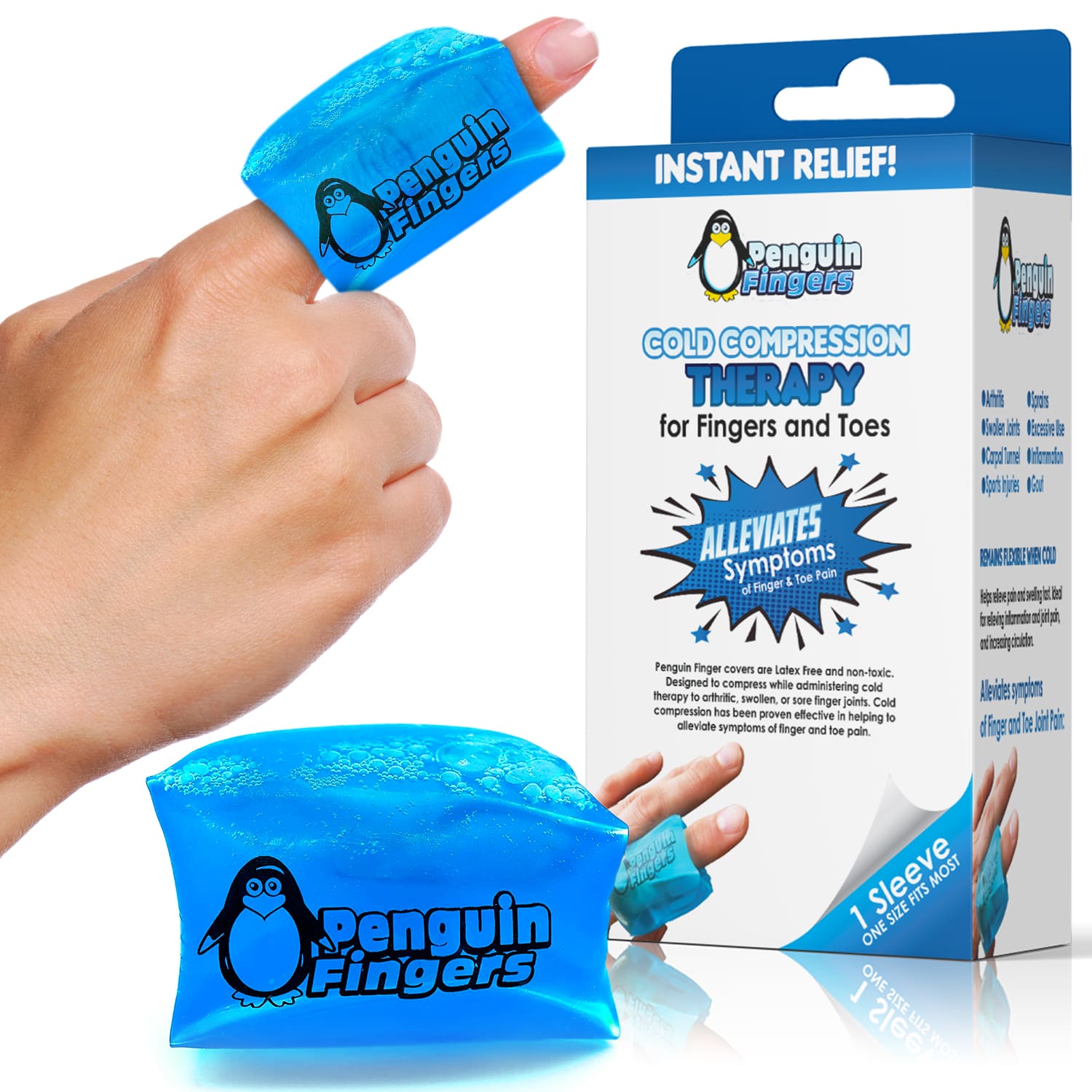
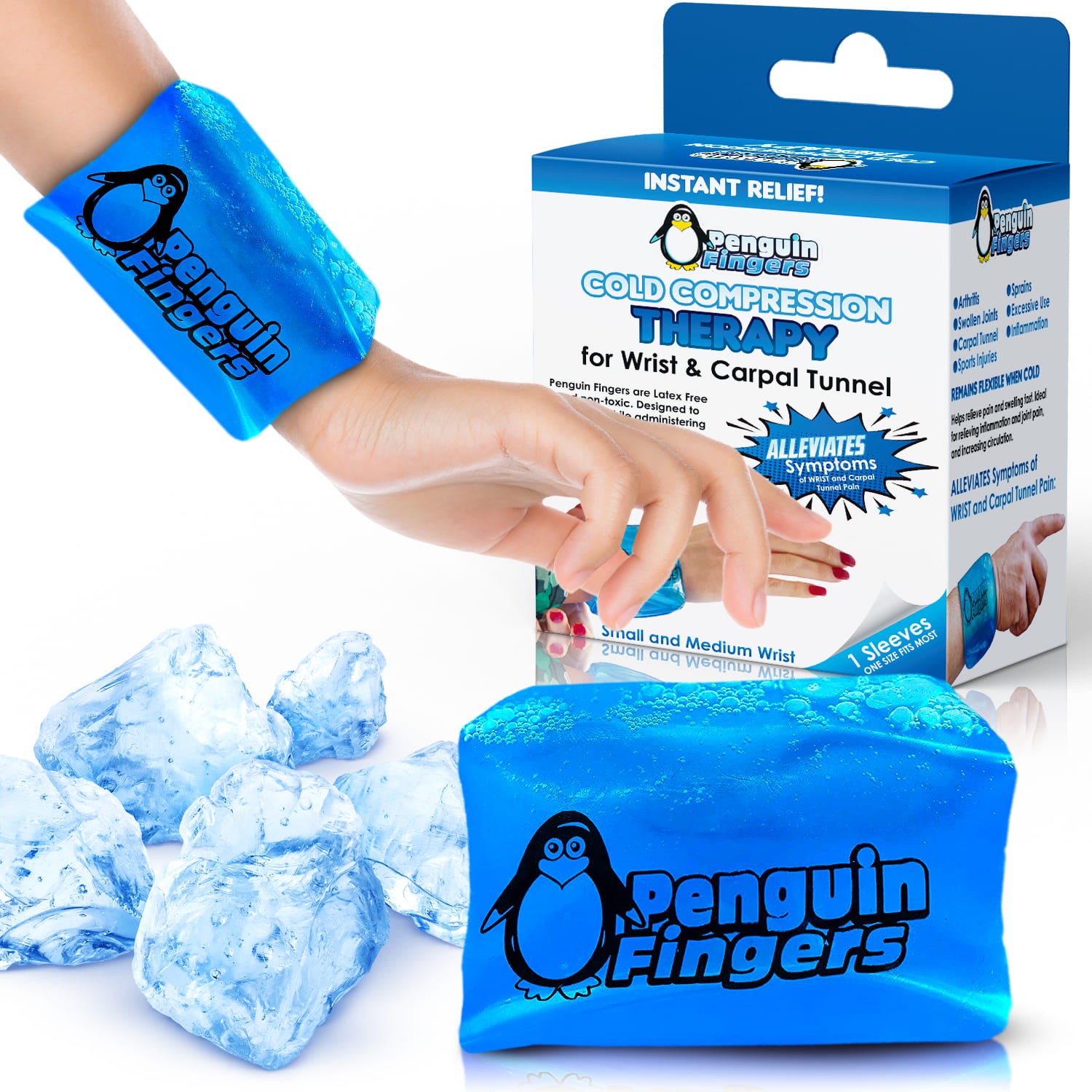
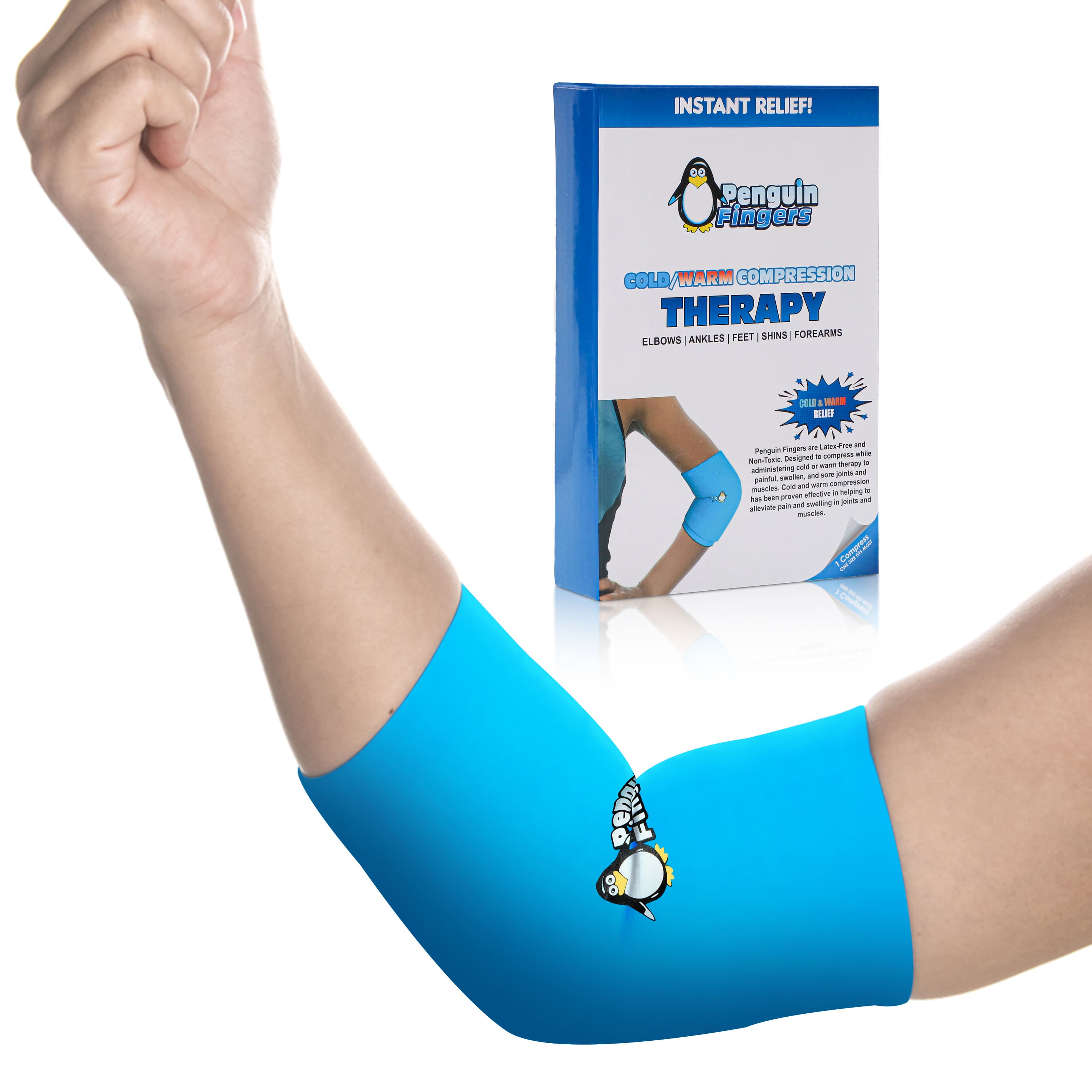
Penguin Fingers offers a Penguin Fingers Cold Compression Gel Packs for Fingers and Toes for fingers and toes. At $14.95, it is a good fit for targeted soreness in small joints. For wrists, the Penguin Fingers Wrist Cold Compression Pack sells for $16.95. For elbows and feet, the Penguin Fingers Elbow and Foot Cold Compression Therapy Sleeve is $22.95 and offers both hot and cold therapy.
Watch out: do not apply ice directly to the skin. Wrap the pack in a thin cloth and limit each session.
How to Reduce Joint Inflammation Quickly and What Speed to Expect
Most competitors describe treatments without telling readers what to actually expect on a timeline. That is the gap this section fills: onset (how fast it starts), duration (how long a dose or session lasts), and magnitude (how much relief is realistic) differ sharply by approach, and conflating them is why people give up on a treatment that was working or stick with one that is not.
Cold compression. Cold can limit short-term swelling and numb sore tissue. It is a symptom-relief tool for acute flare-ups and post-activity soreness, not a way to reduce chronic inflammation. Sessions are typically kept short, with a thin cloth between the pack and skin.
Oral NSAIDs. Pain relief often begins within 30 to 60 minutes, but the anti-inflammatory effect builds over days of consistent dosing. A common pattern is meaningful pain reduction in the first day or two and fuller anti-inflammatory benefit over one to two weeks. If swelling has not improved after about a week of appropriate use, that is a signal to check in with a clinician rather than to keep escalating the dose.
Topical NSAIDs. Slower to start than oral forms, often several days of regular application before noticeable benefit, but with far less systemic exposure. Best suited to a single accessible joint such as a knee or hand. For a single accessible joint, topical NSAIDs can be weighed alongside natural supplements for joint health as part of a broader approach to easing pain and supporting mobility.
Acetaminophen. Fast for pain (within about 30 to 60 minutes) but does not reduce inflammation at all, so it will not change how swollen a joint looks or feels.
Heat. Heat relaxes muscle and eases stiffness before activity; it does not reduce swelling and is generally avoided on a joint that is hot and acutely swollen. Onset is within minutes and the effect is short-lived, which makes it a pre-activity tool rather than a treatment.
Exercise, therapy, and supports. These are the slowest to show effect, often weeks to months, because they work on strength, range of motion, and load rather than on inflammation directly. They are also the approaches most likely to support mobility over time, which is why they belong alongside symptom relief rather than instead of it.
What 'quickly' realistically means. No over-the-counter option reduces inflammation in minutes. The fastest relief is symptomatic (cold, acetaminophen, the first hour of an NSAID dose); the fastest anti-inflammatory effect is still measured in days. A common pattern is that people feel better before the underlying swelling has fully settled, which is why returning to full activity too soon can trigger a flare.
Watch out: swelling that is hot, red, rapidly worsening, or accompanied by fever, or joint pain that does not improve after a week or two of appropriate self-care, warrants a clinician's evaluation rather than a faster or stronger over-the-counter regimen.
Heat, Rest, Exercise, and Supports: Home Treatment for Joint Pain and Stiffness
Home care for joint pain often combines several approaches. Heat helps loosen stiff joints, rest protects sore ones, and gentle movement keeps range of motion from declining. Supports such as splints and braces can take pressure off a joint during daily activity.
Heat Therapy and Warm Baths
Heat relaxes muscles and can ease stiffness before activity. Warm baths and heating pads are the usual choices. Penguin Fingers' Elbow and Foot sleeve offers hot and cold therapy, which makes it a versatile option for joints that feel tight rather than swollen.
Exercise, Bracing, and Physical Therapy
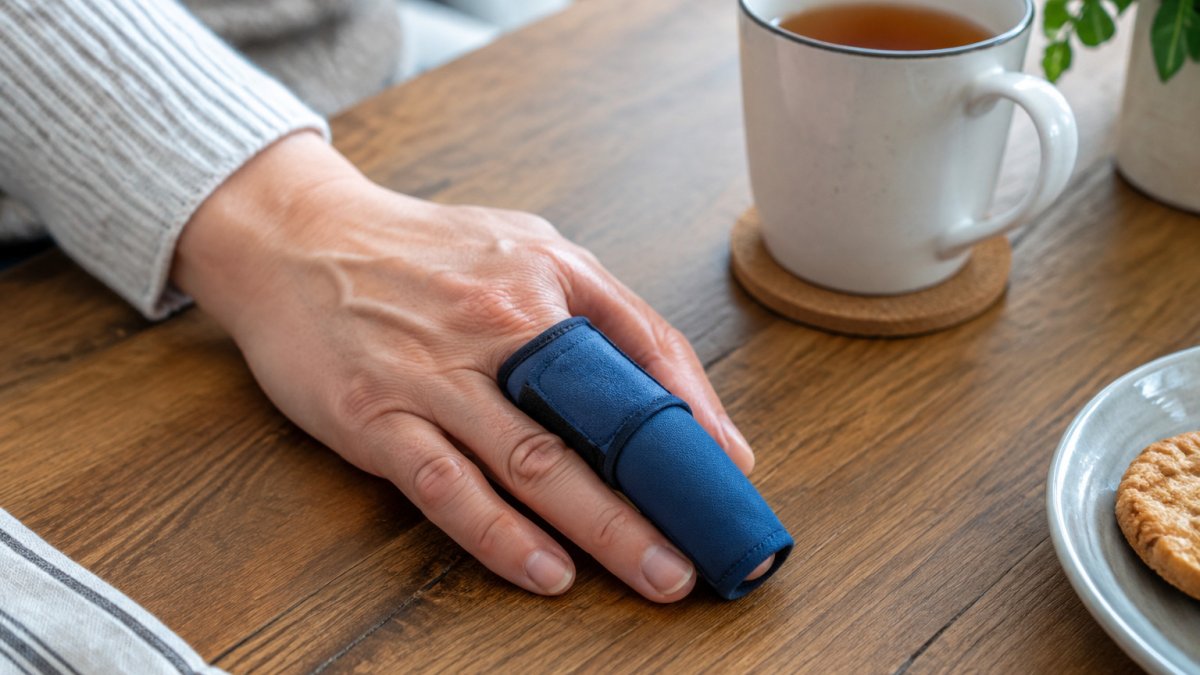
Movement and supports both matter for mobility. Low-impact exercise, aquatic therapy, and physical therapy can improve function over time. For finger support, see finger splints for arthritis support buying guide to compare options.
Safety, Medication Interactions, and When to See a Clinician
Cold compression and heat are generally low-risk when used properly, but any medication carries interaction risks. Talk to a pharmacist or doctor before combining NSAIDs with other drugs, and seek care for swelling that is hot, red, or accompanied by fever, or for pain that does not improve.
Choosing Your Next Step for Sore, Swollen Joints
Start by deciding whether your main problem is pain, swelling, or both. Pain-focused relief suits acetaminophen and cold compression for short-term comfort. Inflammation-focused care calls for a clinician's guidance on NSAIDs and other treatment. If you want a wearable cold compression option for a specific joint, browse Penguin Fingers' sleeves and packs to find the right fit for your finger, wrist, elbow, or foot.
Frequently Asked Questions
What is the difference between relieving joint pain and reducing inflammation?
Pain relief and inflammation reduction are not interchangeable. Acetaminophen eases aching but does not reduce inflammation, so a product that dulls soreness does not necessarily address swelling. Joint pain may or may not be associated with inflammation, which is why the cause and symptom pattern matter when choosing an option. If you want to reduce visible swelling, look for options that are described as anti-inflammatory and talk with a clinician about which fits your situation.
What is the best anti-inflammatory to reduce swelling?
Nonsteroidal anti-inflammatory drugs, often called NSAIDs, are the over-the-counter category most commonly used to target inflammation. Acetaminophen is used more for pain than swelling. Because NSAIDs can affect the stomach, kidneys, and heart, and can interact with blood thinners and other medicines, check with a pharmacist or doctor before starting one on a regular basis, especially if you are over 50 or take other prescriptions.
Can cold compression help sore, swollen joints?
Cold compression can ease soreness in a targeted area. Penguin Fingers' Finger and Toe Gel Pack, Wrist Cold Compression Pack, and Elbow and Foot Cold Compression Therapy Sleeve offer cold compression for those areas. Cold therapy works on symptoms and does not treat the underlying cause, so pair it with a plan from your clinician if swelling persists.
How long should you apply ice to a swollen joint?
Apply cold for short sessions rather than leaving it on continuously, and keep a thin layer of fabric between the pack and your skin. Stop if the skin becomes numb, pale, or painful.
When should joint pain or swelling be checked by a health care professional?
See a clinician if joint pain or swelling lasts more than a few days, keeps returning, comes with fever, redness, warmth, or sudden loss of motion, or follows an injury. Joint pain may occur with or without inflammation, so a professional can help determine the cause. Many people with arthritis or tendinitis benefit from a treatment plan that combines medication, therapy, and self-care.


