

Last Updated: November 23, 2026
Quick Summary
The five best low impact exercises for joint health are walking, swimming and water aerobics, cycling, chair yoga and tai chi, and strength training. These low impact exercises build muscle strength and improve range of motion while keeping stress on the joints low. Health guidance commonly suggests adults work up to 150 minutes of moderate-intensity aerobic activity per week.
- Walking produces ground-reaction force of roughly one to one-and-a-half times body weight, versus three to five times during running.
- Start with 10 to 15 minutes of walking on flat ground and add five minutes each week until you reach 30 minutes.
- Aim for two or three swimming or water aerobics sessions of 20 to 30 minutes.
- Set your bike seat so your knee stays slightly bent at the bottom of the pedal stroke.
- Do two 20-minute strength sessions per week, keeping the range small at first.
Table of Contents
- Are low impact exercises good for joint health?
- 1. Walking: The Everyday Joint-Friendly Workout
- 2. Swimming and Water Aerobics: Zero-Impact Cardio
- 3. Cycling and Recumbent Biking: Smooth Range of Motion
- 4. Chair Yoga and Tai Chi: Mobility, Balance, and Flexibility
- 5. Strength Training: Exercises to Strengthen Joints and Ligaments
- Low Impact Exercises at Home: A Beginner Plan You Can Start Today
- Benefits of Cold Compression Therapy for Joints After Exercise
- Frequently Asked Questions
Are low impact exercises good for joint health?
Yes. Low impact exercises are good for joint health because they build muscle strength and improve range of motion while keeping stress on the joints low. Health guidance commonly suggests adults work up to 150 minutes of moderate-intensity aerobic activity per week (the CDC).
The key is choosing movement that loads the joint without pounding it. Walking, swimming, cycling, chair yoga, and light strength work all qualify. Below, we rank the five best low impact exercises for joint health and explain exactly who each one suits, plus a starter plan you can begin this week.
1. Walking: The Everyday Joint-Friendly Workout
Walking ranks first because it is the lowest-barrier option that still loads the joints enough to build bone and muscle. Walking is widely regarded as a low-impact option for adults with osteoarthritis. It strengthens the quadriceps and glutes, supports weight management, and moves the hip and knee through a full stride cycle, three things that directly reduce load on the joint.
Why walking beats harder cardio for joints
Every step produces a ground-reaction force of roughly one to one-and-a-half times body weight, compared with three to five times body weight during running. That lower peak load is why walking is usually tolerable on days when running is not. For readers who want to keep running, our guide on how to manage knee pain while running offers deeper guidance. The trade-off is that walking burns fewer calories per minute, so it takes longer sessions to match the cardiovascular benefit of higher-impact work.
How to walk without stressing your knees
Start with 10 to 15 minutes on flat ground and add five minutes each week until you reach 30 minutes on most days. Wear supportive shoes with a firm heel counter, land mid-foot rather than on the heel, and keep a pace where you can still hold a conversation. Shorten your stride rather than slowing your cadence if your knees complain, overstriding is what drives the heel-first impact that irritates the kneecap.
Modifications by joint
- Knee limitations: walk on a track or treadmill at a slight incline rather than downhill, and avoid long flights of stairs. If the knee swells after walks, cut duration by a third for two weeks before rebuilding.
- Hip limitations: use trekking poles to offload the hip and improve balance; they reduce load through the hip by taking weight through the arms.
- Balance concerns: walk with a rail, on a track, or with a partner, and add heel-to-toe drills in a hallway before walking outdoors.
- Foot or ankle stiffness: choose a shoe with a rocker sole, which reduces demand on the toe joint during push-off.
Watch out: pushing through sharp knee pain to "finish the loop" is the most common mistake we hear about. Stop, rest, and shorten the next session rather than repeating the same distance.
2. Swimming and Water Aerobics: Zero-Impact Cardio
Water-based exercise removes most of the load on your joints while still working the heart and muscles. Regular swimming is generally associated with reduced joint pain and improved mobility for people with osteoarthritis. Water provides resistance while lessening the weight on joints, which makes it a favorite for arthritis management. Our guide on effective ways to manage arthritis pain covers cold compression, joint swelling reduction, and gentle exercises.
Aim for two or three sessions of 20 to 30 minutes. Water aerobics classes add balance and core work. If you cannot swim, walking laps in the shallow end delivers many of the same benefits.
3. Cycling and Recumbent Biking: Smooth Range of Motion
Cycling moves the knee and hip through a smooth arc with no impact, which builds the quad strength that protects the knee. A recumbent bike is the gentler pick if you have back or hip stiffness, because the reclined seat supports your spine. Spinning at a low resistance for 15 to 20 minutes is enough to start.
Set the seat so your knee stays slightly bent at the bottom of the pedal stroke. Watch out: a seat set too low is the fastest way to irritate the kneecap.
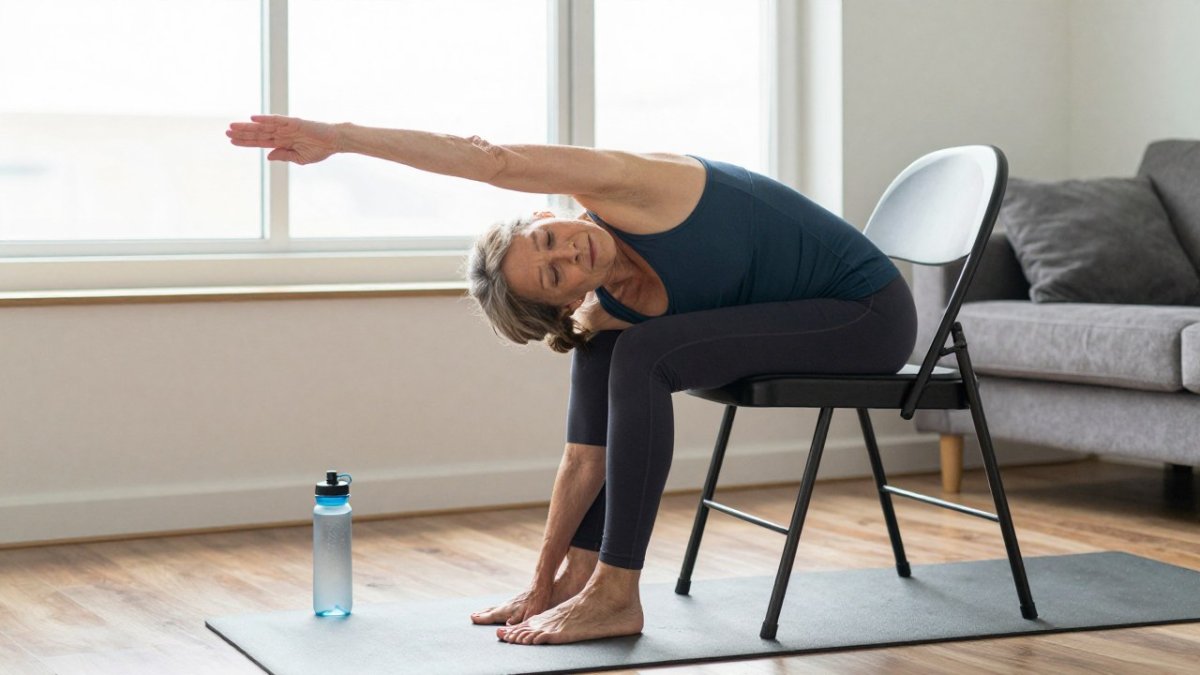
4. Chair Yoga and Tai Chi: Mobility, Balance, and Flexibility
Chair yoga and tai chi are the best picks for stiff joints and shaky balance. Both use slow, controlled movement through a full range of motion. Tai chi adds a balance challenge that reduces fall risk.
A simple chair yoga sequence for stiff joints
- Seated neck rolls, 5 each direction
- Shoulder circles, 10 each way
- Seated spinal twist, hold 20 seconds per side
- Ankle pumps and circles, 10 per foot
- Seated knee extensions, 10 per leg
5. Strength Training: Exercises to Strengthen Joints and Ligaments
Strength training is how you strengthen joints and ligaments for the long run. Light weights and resistance bands build the muscle that stabilizes each joint, and stronger muscles mean less stress on the joint itself. Two sessions per week of 20 minutes is a solid starting point.
Three starter moves: bridges, planks, and dead bugs
- Bridges: lie on your back, lift the hips, hold 3 seconds, 10 reps
- Planks: hold a modified knee plank for 15 to 20 seconds, 3 rounds
- Dead bugs: alternate arm and leg lowers, 8 per side
Keep the range small at first. Watch out: adding weight before your form is clean is the classic path to a flare-up.
Low Impact Exercises at Home: A Beginner Plan You Can Start Today
You can run this whole low impact exercises at home plan with no gym and no equipment beyond a chair and a mat. Here is the weekly structure we recommend:
| Day | Activity | Duration | Focus |
|---|---|---|---|
| Monday | Brisk walking | 15 min | Cardio and knees |
| Tuesday | Strength circuit | 20 min | Joint stability |
| Wednesday | Chair yoga | 15 min | Mobility |
| Thursday | Walking | 20 min | Cardio |
| Friday | Strength circuit | 20 min | Ligaments |
| Saturday | Swimming or cycling | 20 min | Low-impact cardio |
| Sunday | Rest or gentle stretching | 10 min | Recovery |
Duration
Progress by adding five minutes per week to cardio and one rep per week to strength moves. If soreness lingers past a day, drop back a step. When joints ache after a session, our guide on treating sore joints after exercise walks through the recovery steps.
Benefits of Cold Compression Therapy for Joints After Exercise
Cold compression therapy is a recovery option many people use after activity. Cooling and compression are commonly used to help with inflammation and swelling. Apply cold for 10 to 15 minutes after activity, never directly on bare skin.
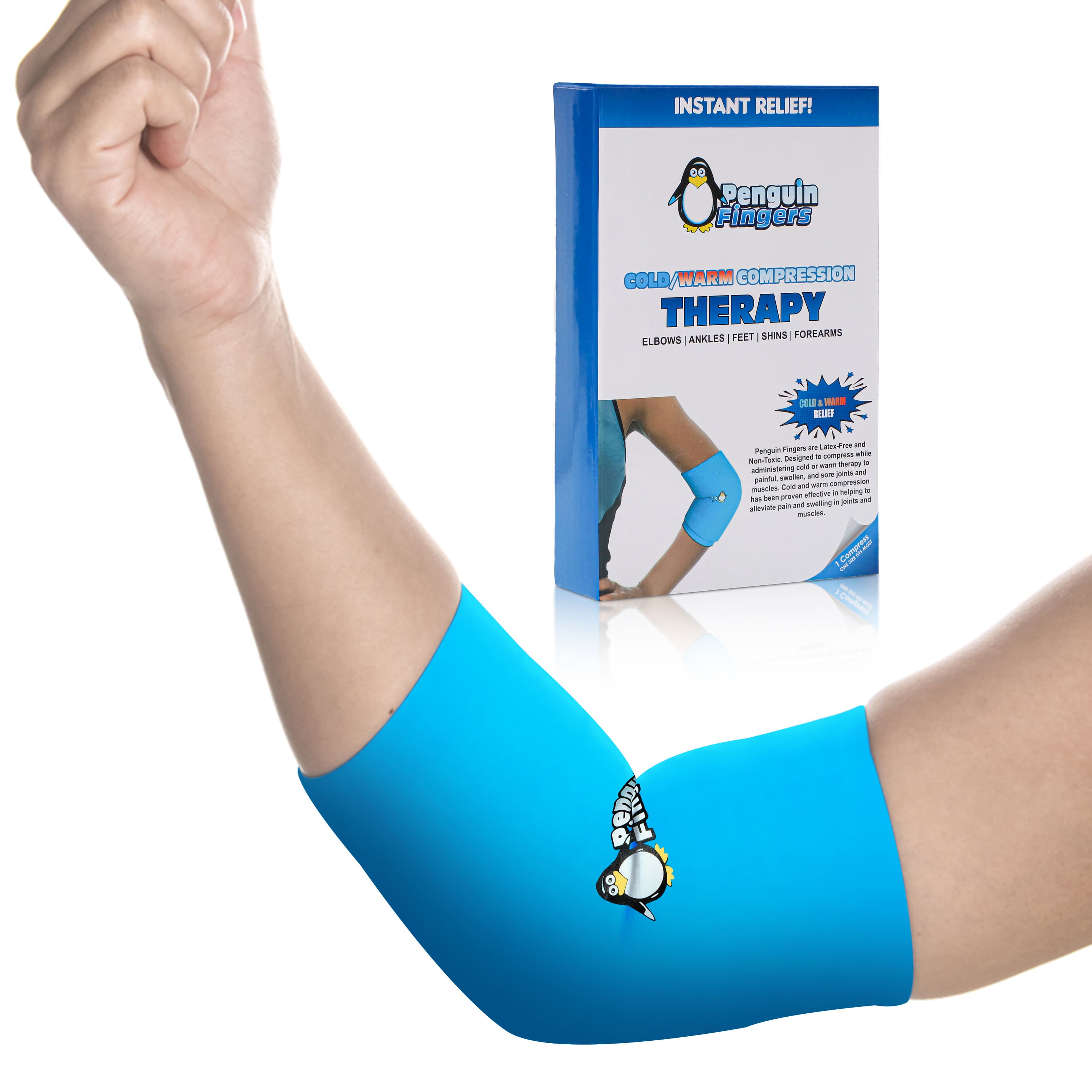
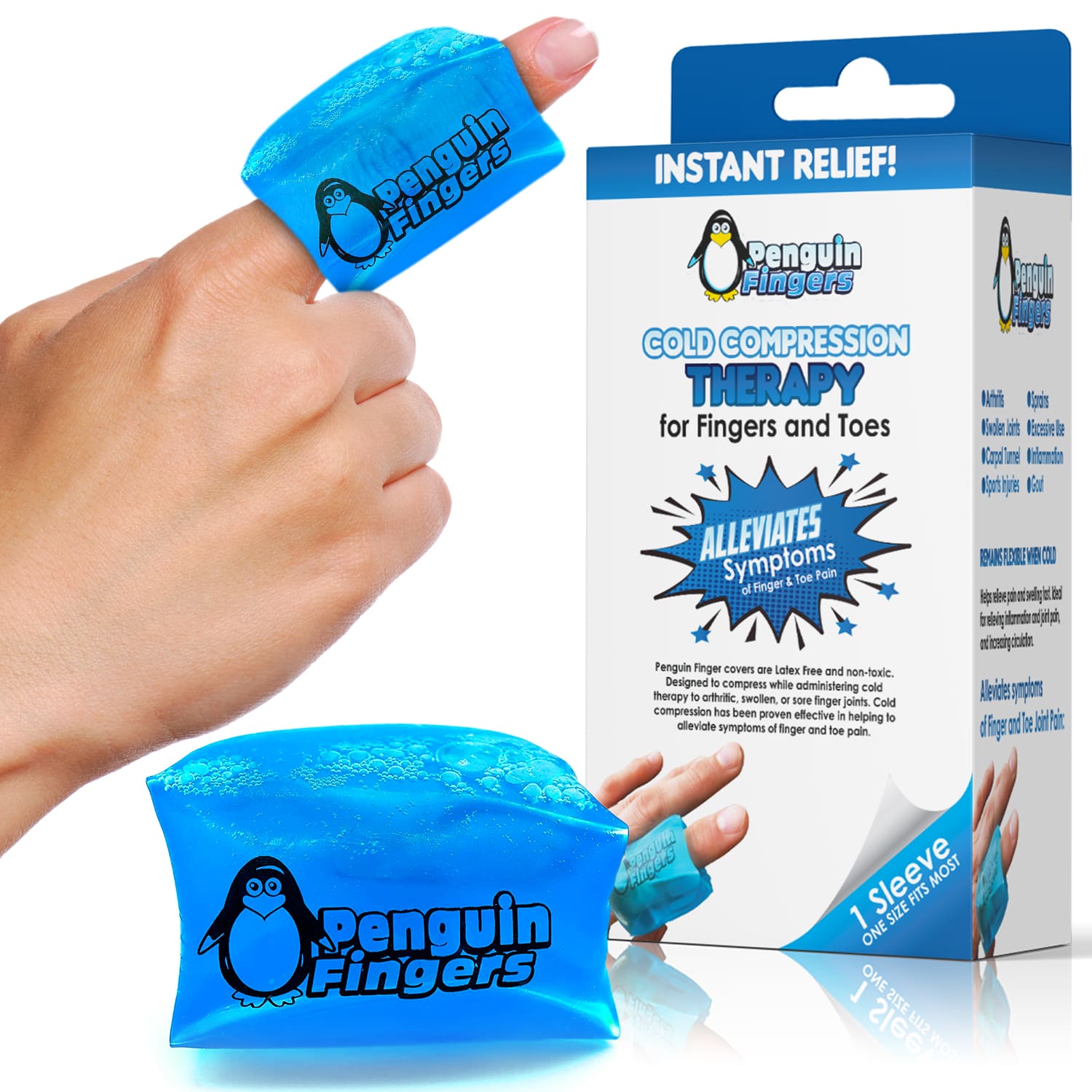
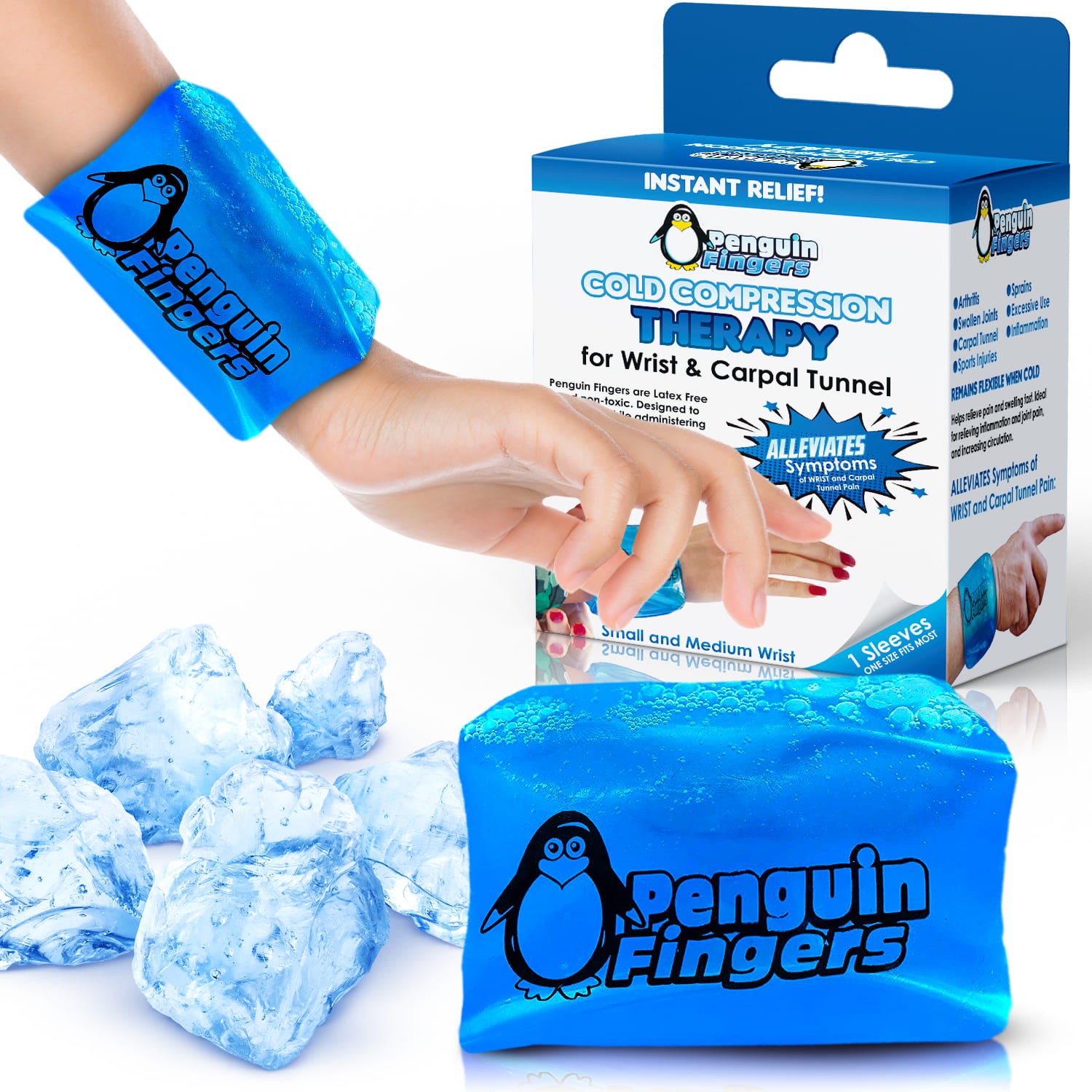
Our step-by-step cold compression guide covers timing and safety in detail. For knees, our wearable knee cold compression sleeve wraps the joint in cooling gel without straps slipping. For hands, the finger and toe gel packs at $14.95 slide over sore fingers and compress the area. The wrist cold compression pack at $16.95 is designed to provide cooling and compression to the wrist. The elbow and foot sleeve at $22.95 offers hot or cold therapy.
Joint pain does not have to keep you on the couch. Start with walking or chair yoga this week, add strength work twice weekly, and give your joints the recovery they need. Penguin Fingers makes wearable cold compression sleeves for fingers, toes, wrists, elbows, and feet, with dual hot and cold therapy options and targeted designs for specific body parts. Get started with Penguin Fingers and move through your day with less stiffness.
Frequently Asked Questions
What exercises lubricate the knees?
Gentle movement is what helps synovial fluid circulate and keep knee cartilage nourished. Walking on flat ground, stationary cycling with low resistance, and water walking all move the knee through its range of motion without pounding it. Regular physical activity is generally associated with supporting knee joint health. Aim for short sessions of five to ten minutes and build up as comfort allows.
Which low impact cardio is easiest on the knees and hips?
Swimming and water aerobics put the least load on knees and hips because buoyancy supports most of your body weight while water resistance builds muscle. Recumbent cycling is a close second, since the reclined seat takes pressure off the lower back and hips. Walking is the most convenient option but works best on level, forgiving surfaces. Try two or three options and notice which one leaves your joints feeling better the next day.
How often should I do low impact exercises for joint health?
Health guidance commonly suggests working up to 150 minutes of moderate-intensity aerobic activity per week. Spread that across five days at about 30 minutes each, and add two light strength sessions. Beginners can start with 10 minutes daily and add five minutes each week. Rest days matter too, especially when a joint is flaring, so scale back rather than stopping completely.
Can low impact exercise help with chronic joint pain?
Yes. Walking and swimming are generally regarded as low-impact options that many adults with osteoarthritis find helpful. The key is consistency at a comfortable level. Pair your routine with cold compression after activity to calm inflammation, and stop any movement that causes sharp pain rather than dull discomfort.
How do I strengthen my joints without high-impact stress?
Use light weights, resistance bands, or your own body weight through controlled movements like bridges, planks, and dead bugs. These exercises to strengthen joints and ligaments build the muscles that support each joint without jarring impacts. Start with two sets of eight to ten reps, two days per week, and add resistance only when the last rep feels easy. Soreness the next day is normal; sharp pain during the move is not.


