

Table of Contents
- How Infrared Heat Penetrates Deep to Ease Joint Stiffness
- Pain Relief and Inflammation Reduction From Infrared Heat Therapy
- Improved Mobility and Range of Motion With Heat Therapy
- Infrared Heat Therapy for Arthritis: Targeted Joint Support
- How Long to Use Heat Therapy for Joint Stiffness
- Heat or Cold Therapy for Joint Pain: Which Works Best
- Infrared Heat Therapy Safety: What You Need to Know
- A Practical Routine to Manage Stiff Joints at Home
- Frequently Asked Questions
Last Updated: October 12, 2026
How Infrared Heat Penetrates Deep to Ease Joint Stiffness
Infrared heat works differently than a regular heating pad. It penetrates deeper into your tissues, reaching the joints and muscles beneath your skin's surface. This deep heat can help loosen tight muscles and improve how your joints move.
When you apply infrared heat therapy, the warmth travels through your skin and into the deeper layers. Your blood vessels expand in response. More blood flows to the area, bringing oxygen and nutrients that support healing. This increased circulation can reduce stiffness and make movement easier.
The key difference between infrared heat and regular heat is penetration depth. A standard heating pad warms your skin. Infrared heat therapy reaches 1-2 inches below the surface, targeting the actual joint tissue and surrounding muscles. This is why many people find infrared heat more effective for joint stiffness than surface-level warmth.
When joint stiffness strikes, infrared heat therapy can provide the penetrating warmth your joints need to regain mobility.
Pain Relief and Inflammation Reduction From Infrared Heat Therapy
Infrared heat therapy reduces joint pain by relaxing the muscles around your joints. Tight muscles pull on joints and limit movement. When heat relaxes those muscles, pressure on the joint decreases and pain often follows.
Inflammation is your body's response to injury or strain. Heat increases blood flow to inflamed areas. Better circulation helps flush out inflammatory substances and brings healing cells to the damaged tissue. Over time, this can reduce both pain and swelling.
Many people experience relief within the first few sessions of infrared heat therapy. The warmth feels soothing immediately. Deeper pain relief builds as your tissues warm and muscles relax. Some conditions respond faster than others, but consistent use tends to produce better results than occasional treatment.
The pain relief from infrared heat therapy is usually temporary. You may feel better for several hours after a session. With repeated use, some people notice lasting improvements. This makes infrared heat therapy useful both for immediate relief and as part of a longer-term pain management strategy.
Improved Mobility and Range of Motion With Heat Therapy
Stiff joints limit what you can do. When a joint doesn't move freely, simple tasks become difficult. Heat therapy loosens the tissues around your joint, which directly improves how far and how easily you can move.
Range of motion improves because heat relaxes muscle tightness. Muscles that are tight restrict joint movement. When those muscles relax, your joint can move through a fuller range.
Better mobility means you can do more. Reaching for items, typing at work, climbing stairs, or exercising all become easier when your joints move freely. This improved function often motivates people to stay active, which further supports joint health.
Heat therapy works best for stiffness caused by tight muscles or reduced activity. If your limited mobility comes from structural damage or severe arthritis, heat may help but won't fully restore movement on its own.
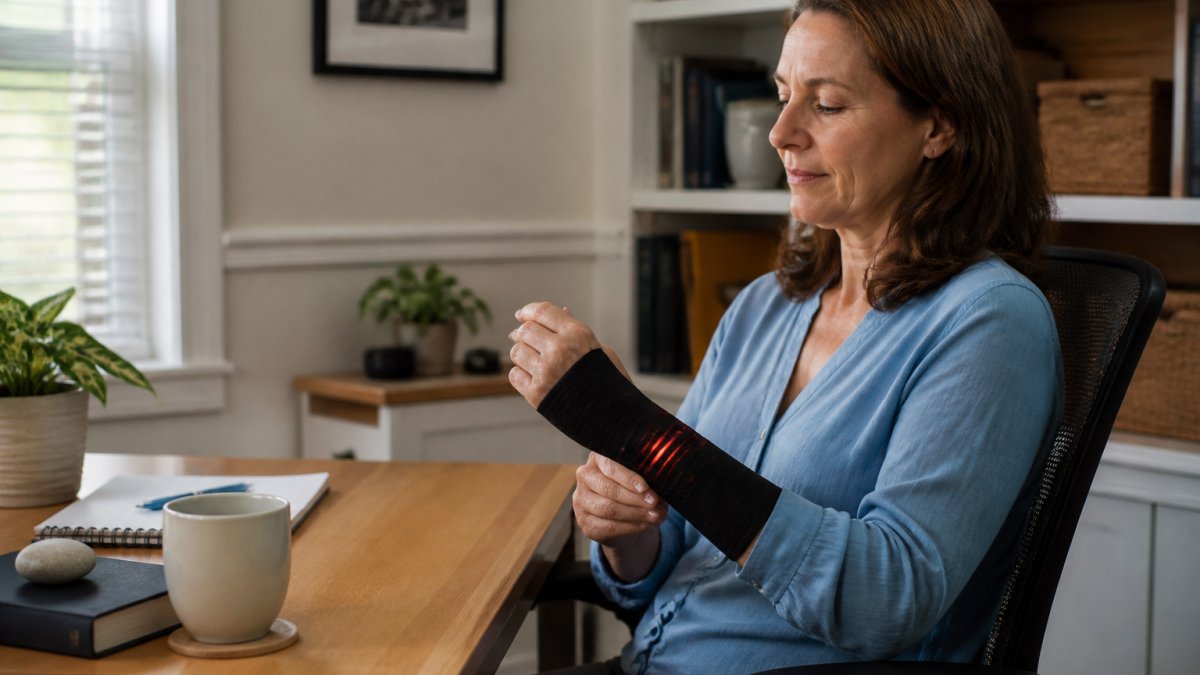
Infrared Heat Therapy for Arthritis: Targeted Joint Support
Arthritis causes joint pain and stiffness. Rheumatoid arthritis and osteoarthritis are the most common types. Both respond well to infrared heat therapy because the deep warmth reaches the affected joint tissue directly.
For osteoarthritis, heat reduces the stiffness that comes from cartilage wear. The warmth relaxes muscles around the joint and improves blood flow to the damaged cartilage. This doesn't reverse the damage, but it does ease pain and improve movement.
Rheumatoid arthritis involves inflammation. Heat increases circulation, which helps reduce inflammatory buildup around the joint. Many people with rheumatoid arthritis find that infrared heat therapy eases morning stiffness and joint pain, especially when used consistently. Integrating supplemental nutritional support alongside thermal treatments can further enhance joint pain relief by strengthening the connective tissues that surround the affected areas.
Arthritis often affects multiple joints. Your fingers, wrists, knees, and toes may all hurt. Infrared heat therapy works on any joint because the principle is the same: deep warmth relaxes muscles and improves circulation. Using targeted infrared heat therapy on specific joints lets you focus treatment where you need it most.
How Long to Use Heat Therapy for Joint Stiffness
Most people benefit from 15-30 minute sessions of infrared heat therapy. Longer isn't always better. Your tissues only need enough time to warm and relax. Sessions longer than 30 minutes don't typically produce additional benefit.
Frequency matters more than duration. Using infrared heat therapy daily produces better results than occasional long sessions. Many people find that daily 20-minute treatments work well for managing chronic joint stiffness. If your stiffness is mild, every other day may be enough.
The best schedule depends on your specific situation. Someone with severe arthritis might use infrared heat therapy twice daily. An athlete recovering from a sprain might use it once daily for two weeks, then reduce frequency as healing progresses. Start with daily 20-minute sessions and adjust based on how you feel.
You can use infrared heat therapy indefinitely. It's safe for long-term management of chronic conditions. Many people incorporate it into their daily routine, using it while working, reading, or relaxing. This makes it easy to stay consistent without disrupting your schedule.
Heat or Cold Therapy for Joint Pain: Which Works Best
Heat and cold serve different purposes. Understanding when to use each one matters for getting the best results.
Use cold therapy for:
- Recent injuries (first 48 hours)
- Acute inflammation and swelling
- Sharp, throbbing pain
- Swollen joints from overuse
Cold reduces inflammation by constricting blood vessels. It numbs pain temporarily. Cold therapy works fast for acute problems but isn't ideal for chronic stiffness.
Use infrared heat therapy for:
- Chronic stiffness and tightness
- Muscle tension around joints
- Limited mobility
- Pain from arthritis
- Recovery after the acute phase of injury
Heat relaxes muscles and improves circulation. It addresses the underlying stiffness that causes chronic pain. Heat therapy works better for long-term management than cold.
Many people benefit from using both. Start with cold therapy immediately after injury to reduce inflammation. After 2-3 days, switch to infrared heat therapy to reduce stiffness and improve mobility. This combination approach addresses both the acute problem and the lingering effects.
The choice between heat and cold also depends on how your joint responds. Some people feel better with heat. Others prefer cold. Your body's response matters more than general guidelines. Try both and stick with what provides the most relief.
Infrared Heat Therapy Safety: What You Need to Know
Infrared heat therapy is safe for most people when used correctly. It carries fewer risks than medications or surgery. However, certain situations require caution or avoidance.
Avoid infrared heat therapy if you have:
- Acute inflammation or swelling (use cold first)
- Fever or active infection
- Numb skin or reduced sensation (you might not feel if it's too hot)
- Certain medications that affect heat sensitivity
- Pregnancy (without doctor approval)
- Implanted medical devices like pacemakers
Check with your doctor before using infrared heat therapy if you have any chronic health conditions. Some conditions interact with heat therapy. Your doctor can advise whether it's safe for your specific situation.
Safe usage guidelines:
- Start with 15-20 minute sessions
- Never use heat so intense that it burns your skin
- Don't fall asleep while using heat therapy (risk of overheating)
- Remove therapy sleeves if skin becomes red or irritated
- Stay hydrated while using heat therapy
Infrared heat therapy rarely causes problems when used as directed. The most common issue is using it too long or too hot, which can irritate skin. Starting with shorter sessions and moderate heat prevents most problems.
If you experience increased pain, swelling, or skin irritation, stop using infrared heat therapy and consult your doctor. These signs suggest heat isn't appropriate for your current condition.
A Practical Routine to Manage Stiff Joints at Home
You don't need a complex routine to benefit from infrared heat therapy. A simple, consistent approach works best for managing joint stiffness at home.
Morning routine (5 minutes):
- Apply infrared heat therapy to your stiffest joint
- Gently move the joint through its range of motion while warming
- This prepares your joints for the day's activities
Throughout the day:
- Use infrared heat therapy during work breaks
- Apply it while sitting at your desk, watching TV, or reading
- 15-20 minutes per session is ideal
- Focus on whichever joint feels tightest
Evening routine (20 minutes):
- Use infrared heat therapy on any joints that bothered you during the day
- Follow with gentle stretching while still warm
- This reduces overnight stiffness
Weekly approach:
- Use infrared heat therapy daily for best results
- If daily use isn't possible, aim for at least 4-5 times per week
- Consistency matters more than intensity
The most effective routine is one you'll actually follow. If applying a sleeve while working fits your schedule, do that. If you prefer evening sessions, that works too. The key is regular, consistent use rather than occasional intense treatment.
Our wearable designs let you apply heat therapy while doing other activities. This makes it easy to maintain consistency without adding tasks to your day.
Simple tracking method:
- Rate your joint stiffness 1-10 each morning
- Note which activities you did the day before
- Record which infrared heat therapy sessions you completed
- After two weeks, patterns will emerge showing what helps most
Starting a home routine is straightforward. Choose one joint that bothers you most. Use infrared heat therapy on that joint daily for two weeks. Notice the changes. Then expand to other joints if needed. This gradual approach builds a sustainable habit.
Managing joint stiffness at home is possible without expensive treatments or medications. Infrared heat therapy offers a practical, accessible option for pain relief and improved mobility. Consistency matters more than intensity.
Penguin Fingers provides dual hot and cold therapy options designed for specific body parts. Our targeted, wearable designs make it easy to apply heat therapy while working, relaxing, or doing daily activities.
Frequently Asked Questions
Can infrared heat help with joint stiffness?
Yes. Infrared heat penetrates tissue more deeply than surface warmth, increasing blood flow and reducing muscle tightness around stiff joints. This improved circulation helps loosen joints and restore some mobility. The effect is typically short-term relief rather than a cure, but regular use can help manage stiffness, especially for conditions like arthritis or post-exercise soreness.
How long should you use infrared heat on a stiff joint?
Most people benefit from 15 to 30 minutes of infrared heat therapy per session. Start with 15 minutes and adjust based on comfort and response. For chronic stiffness, using heat once or twice daily can provide consistent relief. Always allow your skin to cool between sessions and avoid prolonged continuous heat, which can increase injury risk.
Should you use heat or cold therapy for a swollen, stiff joint?
Cold therapy works best for acute swelling and recent injuries because it reduces inflammation and numbs pain. Heat therapy is better for chronic stiffness, tight muscles, and reduced mobility. If your joint is both swollen and stiff, cold therapy in the first 48 hours followed by heat therapy can be effective. Always check with a healthcare provider if swelling persists.
Is infrared heat safe for arthritis?
Infrared heat is generally safe for arthritis when used correctly. It can ease stiffness and pain without medication. However, avoid heat if you have open wounds, active inflammation with severe swelling, or certain skin conditions. People with nerve damage, diabetes, or reduced sensation should use lower temperatures and shorter sessions. Stop immediately if you experience increased pain or skin irritation.


