

Table of Contents
- Step 1: Start Cold Therapy for Gout Pain Relief
- Step 2: Elevate and Rest the Affected Foot
- Step 3: Use Over-the-Counter Pain Relief Safely
- Step 4: Hydrate and Watch Gout Diet Triggers
- How Long Does a Gout Flare Last and When to See a Doctor
- Step 5: Prevent the Next Flare with Footwear and Sleep Changes
- Conclusion
- Frequently Asked Questions
Last Updated: September 11, 2026
Step 1: Start Cold Therapy for Gout Pain Relief
A gout attack is one of the most painful joint conditions you can experience, and it often strikes without warning in the middle of the night. This guide walks you through how to relieve gout pain in foot at home using practical steps you can start immediately. Gout is a form of inflammatory arthritis caused by excess uric acid in the blood, which forms sharp monosodium urate crystals inside a joint. The body's immune system attacks these crystals, producing intense inflammation, swelling, redness, and tenderness. The big toe is the most common target, a pattern doctors call podagra.
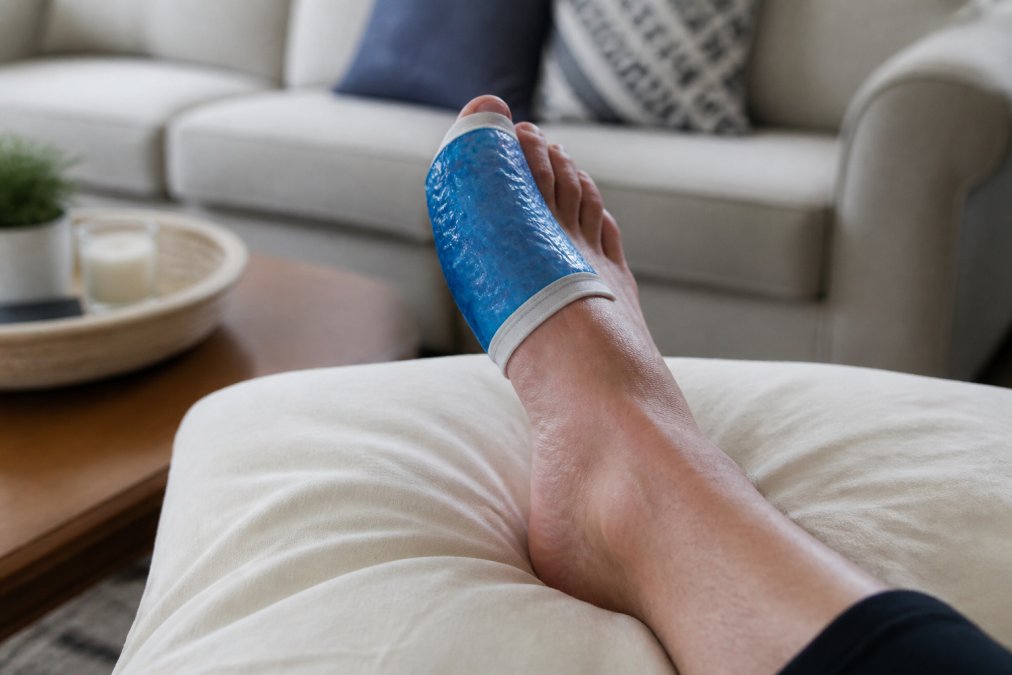
Cold therapy is the fastest way to calm an acute attack. Applying cold slows blood flow to the inflamed tissue and reduces the swelling pressing against sensitive nerve endings.
How to Apply Cold Compression Correctly
- Use a gel sleeve or wrap designed for the foot and ankle so it conforms to the joint instead of sliding off.
- Apply cold for 15 to 20 minutes at a time, then remove it for at least 20 minutes before reapplying (mayoclinic.org).
- Always place a thin cloth between the pack and bare skin to prevent cold burns.
- Repeat several times a day during the first 48 hours of a flare.
Step 2: Elevate and Rest the Affected Foot
Rest and elevation work together to reduce the swelling that makes gout so unbearable. Keeping the foot above the level of your heart lets gravity drain excess fluid away from the inflamed joint. Prop your foot on two or three pillows while you sit or lie down, and avoid walking or standing on it as much as possible. Even short trips to the kitchen can aggravate an acute attack, so ask for help with errands during the worst days. Pair elevation with your cold therapy sessions for the best effect. Many people find that a firm pillow under the calf keeps the foot comfortably raised without putting pressure directly on the sore toe.

Step 3: Use Over-the-Counter Pain Relief Safely
Over-the-counter anti-inflammatories are the first line of pain management for most gout flares. Nonsteroidal anti-inflammatory drugs, or NSAIDs, such as ibuprofen and naproxen reduce both pain and inflammation (the CDC). They work best when started early in an attack. Take them with food to protect your stomach, and follow the label directions exactly. If you have kidney problems, stomach ulcers, heart conditions, or take blood thinners, check with a doctor or pharmacist before using them. Acetaminophen can ease pain but does not reduce inflammation, so it plays a supporting role rather than a leading one. Prescription options like colchicine and corticosteroids exist for flares that do not respond to over-the-counter treatment, and a medical consultation is the right move when symptoms stay severe.
Step 4: Hydrate and Watch Gout Diet Triggers
Water is one of your best tools during a flare. Staying well hydrated helps your kidneys flush uric acid from your system, and many people find that drinking more fluids supports their overall gout management. Aim for steady water intake throughout the day rather than large amounts all at once. Diet also plays a role. Purine-rich foods break down into uric acid, so limiting them can reduce how often flares occur. Common dietary triggers include red meat, organ meats, shellfish, and beer (the NIH). Sugary drinks and alcohol in general tend to raise uric acid levels as well.
| Trigger Category | Examples | Why It Matters |
|---|---|---|
| Purine-rich meats | Red meat, organ meats | Break down into uric acid |
| Seafood | Shellfish, anchovies, sardines | High purine content |
| Alcohol | Beer, liquor | Slows uric acid removal |
| Sugary drinks | Soda, sweetened juice | Raises uric acid levels |
How Long Does a Gout Flare Last and When to See a Doctor
Knowing what a normal flare looks like, and what does not, is what tells you whether home care is enough or whether you need a clinician today.
The Typical Timeline
An untreated gout flare usually follows a recognizable arc:
- First 12 to 24 hours: sudden, severe pain, often overnight. The joint becomes red, hot, swollen, and extremely tender. This is the window where starting cold therapy and an NSAID early matters most.
- Days 2 to 3: pain typically peaks, then begins to ease. Swelling may still be significant even as pain improves.
- Days 4 to 10: most flares settle within this range with treatment. Some people feel lingering stiffness or tenderness for another week.
- Up to 2 weeks: without treatment, a flare can run this long. Recurring flares that hit the same joint are a sign that urate levels need medical management, not just home care.
A useful rule of thumb: if the pain is not clearly improving by day 3, or if it is getting worse instead of better, that is your signal to call a clinician.
What You Can Manage at Home vs. What Needs a Prescription
Home care, cold therapy, elevation, rest, hydration, and an over-the-counter NSAID, is appropriate for a first or occasional flare in someone who is otherwise healthy and not on conflicting medications. Prescription treatment is the standard of care when:
- Symptoms are severe from the start or not improving after 48 to 72 hours of home care.
- You cannot take NSAIDs because of kidney disease, stomach ulcers, heart conditions, or blood thinners.
- You have frequent flares (a common threshold is two or more per year), which usually means long-term urate-lowering therapy should be discussed.
- You have a history of gout with joint damage or tophi.
Prescription options a clinician may consider include colchicine, oral corticosteroids, or injectable corticosteroids into the joint. These are decisions for a clinician, do not try to source them yourself.
Red Flags That Mean See a Doctor Now
Go to urgent care or call your doctor the same day if you have:
- Fever, chills, or feeling generally unwell alongside a hot, swollen joint. A septic (infected) joint can look almost identical to gout and is a medical emergency.
- A joint that is hot, red, and swollen but you have never had gout before. The first attack should be diagnosed, not self-treated, because several other conditions mimic it.
- Pain that is unmanageable with over-the-counter medication at label doses.
- Inability to bear weight at all, or numbness, tingling, or loss of sensation in the foot.
- Symptoms in more than one joint at once, or in a joint other than the big toe, which is less typical for a first flare.
- You are pregnant, breastfeeding, or have significant kidney or liver disease.
What to Expect at the Visit
A clinician will typically examine the joint, ask about your flare history and medications, and may draw blood to check uric acid and inflammatory markers. Uric acid levels can read normal during an acute flare, so a normal result does not rule gout out, diagnosis sometimes requires joint fluid analysis. If gout is confirmed, the conversation usually shifts to two tracks: how to treat this flare, and how to prevent the next one with diet, hydration, and possibly urate-lowering medication. Ask specifically about both, because acute relief and long-term prevention are managed differently.
Step 5: Prevent the Next Flare with Footwear and Sleep Changes
Most home-care guides stop at "avoid pressure on the joint." That advice is useless at 3 a.m. when a blanket edge feels like a hammer. This section covers the two home-environment fixes competitors skip: what to put on your foot during the day and how to set up your bed so the joint is protected overnight.
Footwear During a Flare
During an acute attack, the goal is zero contact with the inflamed joint. That usually means no closed shoe at all. Practical options, in order of how much they help:
- Open-toe house slippers or slides with a wide, rigid sole. The rigid sole keeps the toe from flexing, which is what actually hurts when you walk. Soft, flexible soles bend the joint and make pain worse.
- Post-op or surgical shoes (the kind with a stiff rocker bottom and adjustable Velcro straps). These are sold at most pharmacies and medical supply stores, and they let you walk without the toe box touching the top or sides of the foot.
- A shoe two sizes up with the laces removed as a last resort. It is not supportive, but it beats a tight sneaker pressing on a swollen toe.
What to avoid: pointed-toe dress shoes, narrow athletic shoes, anything with a stiff leather toe cap, and tight socks with elastic cuffs that dig into the ankle. A common pattern is that people reach for their most cushioned sneaker, not realizing the toe box is the problem, not the cushioning.
Footwear Between Flares
Once the attack settles, footwear choices affect how often the next one comes. Look for:
- A wide toe box, you should be able to splay your toes fully without the upper pressing on the big toe joint.
- Removable insoles, so you can swap in an over-the-counter orthotic if a clinician recommends one. Off-the-shelf arch supports are widely available; custom orthotics require a prescription and a fitting.
- Rockered soles (the sole curves up at the toe) reduce how much the big toe joint bends with each step, which lowers mechanical irritation on a joint that has already been damaged by urate crystals.
If you have had more than one flare in the same toe, ask a clinician or podiatrist whether a stiff-soled shoe or a toe-off orthotic is appropriate. This is a mechanical fix, not a medication, and it is one of the few things you can change the same day.
Sleep Positioning
The worst gout pain often hits at night, partly because the foot is still and uncovered, and partly because blankets rest directly on the joint. Two setups work well:
- Bed cradle. A lightweight frame (sometimes called a blanket lift or foot cradle) sits under the sheets and holds the bedding off your feet entirely. Nothing touches the toe. These are inexpensive and sold at medical supply stores and online.
- Pillow stack plus a rolled towel. If you do not have a cradle, prop the foot on two pillows so the heel is supported and the toe points up, then lay a rolled towel or a firm foam wedge along the side of the foot to keep the blanket from draping onto the toe. Keep the foot above heart level, the same elevation rule that helps during the day applies overnight.
A few more overnight details that make a difference:
- Sleep on your back or on the unaffected side. Sleeping on the affected side puts the weight of the other leg against the sore foot.
- Keep a cold compression sleeve and your NSAID dose within arm's reach of the bed so you are not walking to the kitchen at 2 a.m.
- If you share a bed, a separate light blanket for your feet prevents a partner from pulling the covers tight across the toe.
Set the bed up before the next flare, not during one. A bed cradle, a spare pillow, and a charged cold sleeve stored together turn a 3 a.m. emergency into a two-minute fix.
The Part Most Guides Skip
The anxiety of not knowing when the next attack will hit is real, and it can push people toward either over-restricting their diet or ignoring the problem entirely. A workable middle ground is a short, repeatable routine: hydration target, footwear rule, and a cold sleeve staged by the bed. That routine does more for peace of mind than any single remedy, because it converts an unpredictable event into something you have already prepared for.
Conclusion
Gout pain can feel overwhelming, but the steps above give you a clear plan for the next flare. Keep cold therapy, elevation, and hydration within reach so you can act fast. Penguin Fingers makes that easier with wearable cold compression sleeves designed for targeted relief. Our foot and ankle sleeve delivers hot or cold therapy exactly where you need it, and our finger and toe gel packs fit the joints gout loves to attack. Both are reusable and built for comfortable, hands-free pain management. Purchase Penguin Fingers products and take control of your gout pain at home.

Frequently Asked Questions
What can I do to relieve gout pain in my foot immediately?
Start cold therapy right away. Apply a cold compression sleeve or ice pack wrapped in a thin cloth to the affected joint for 15 to 20 minutes at a time. Elevate your foot above heart level and rest it. Take an over-the-counter NSAID like ibuprofen if you can tolerate it. Drink two to three glasses of water. These steps reduce swelling and ease gout pain relief within the first hour.
Does drinking water help a gout flare-up?
Yes. Water helps your kidneys flush out uric acid, which is the waste product that forms the monosodium urate crystals causing your joint pain. Aim for 8 to 12 cups of water daily during a flare. Proper hydration supports gout pain relief and may shorten how long a gout flare lasts. Skip sugary drinks and alcohol, which raise uric acid levels.
What are the 10 foods that trigger gout?
The main gout diet triggers include red meat, organ meats, shellfish, sardines, anchovies, beer, liquor, sugary sodas, high-fructose corn syrup products, and processed meats. These foods are high in purines, which break down into uric acid. Limiting them can reduce flare frequency.
When should I see a doctor for gout foot pain?
See a doctor if this is your first gout attack, if pain lasts more than a few days, if you have a fever, or if the joint is hot and red in a way that could signal infection. Also seek care if over-the-counter pain relief and home steps are not working. A doctor can prescribe colchicine or other medications and check your serum urate levels to guide long-term treatment.


