

Table of Contents
- How to Treat Gout Pain Naturally: What Actually Works
- Cold Therapy and Joint Elevation for Acute Gout Flares
- Hydration, Anti-Inflammatory Foods, and Herbal Supplements
- Foods to Avoid With Gout and Why They Trigger Flares
- How Long Does a Gout Flare Up Last and What Affects Recovery
- Building a Gout Diet Plan That Lowers Uric Acid Long-Term
- The Psychological Impact of Chronic Gout and How to Manage It
- Natural Ways to Treat Gout Pain: Final Steps to Take Today
Last Updated: August 11, 2026
How to Treat Gout Pain Naturally: What Actually Works
Gout is one of the most intensely painful forms of arthritis, caused by uric acid buildup that forms sharp urate crystals in joint tissue. This guide covers the most effective natural approaches: cold therapy, dietary changes, sleep hygiene, and lifestyle modifications. Natural gout management isn't about replacing medical care, it's about building habits that reduce flare frequency and shorten recovery time.
According to the Arthritis Foundation's guidance on gout management, dietary and lifestyle changes remain foundational to long-term control. The key distinction: cold therapy and hydration address acute pain immediately, while diet and weight management prevent future attacks.
Cold Therapy and Joint Elevation for Acute Gout Flares
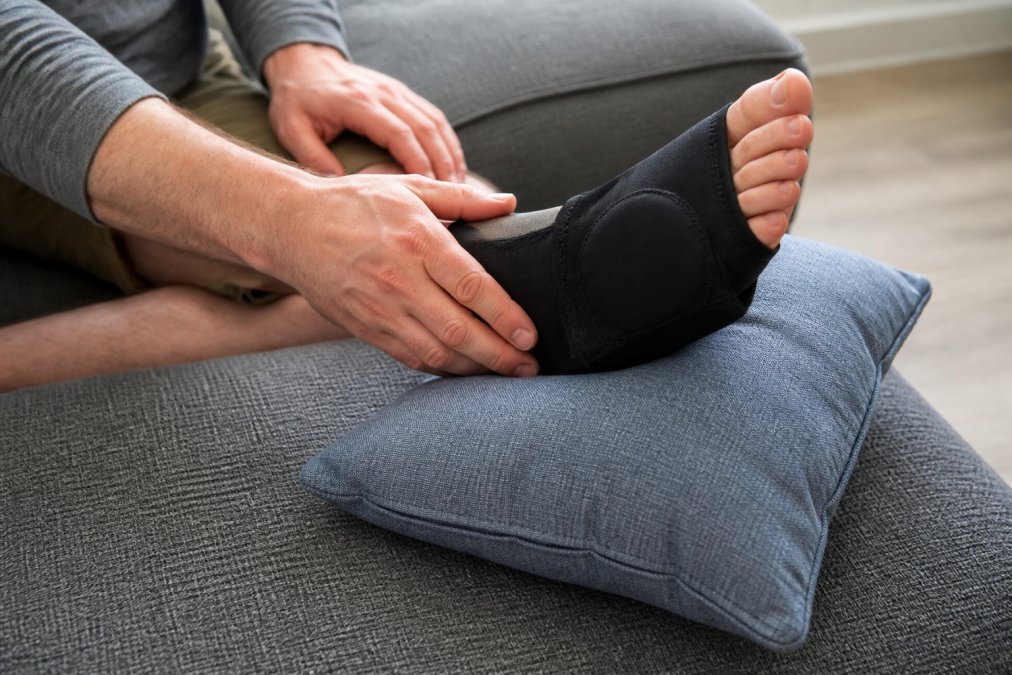
Cold therapy is the most immediately effective natural intervention for acute gout attacks. Applying cold slows nerve conduction, reduces swelling, and dulls pain from urate crystals. Joint elevation uses gravity to reduce fluid accumulation in the affected area.
How to Apply Cold Compression Correctly
Direct ice on skin can cause frostbite on sensitized tissue and intensify pain. The correct approach:
- Wrap first. Use a thin cloth barrier or compression sleeve between the cold source and skin.
- Apply for 15-20 minutes at a time. Allow at least 45 minutes between applications.
- Elevate above heart level. For foot gout, prop on two pillows. For fingers or wrist, rest on a raised surface.
- Repeat 3-4 times daily during the acute phase.
The Penguin Fingers Cold Compression Gel Packs for Fingers and Toes ($14.95) are designed for small joints without direct ice exposure. For larger areas, the Elbow and Foot Cold Compression Therapy Sleeve ($22.95) covers ankle and foot involvement.

Hydration, Anti-Inflammatory Foods, and Herbal Supplements
Hydration is therapeutic for gout patients. Uric acid is excreted through the kidneys, and adequate fluid intake directly supports this process. Chronic mild dehydration concentrates uric acid in the blood, raising crystal formation risk.
Anti-inflammatory foods reduce the inflammatory response that makes attacks severe. Omega-3 fatty acids from fatty fish, walnuts, and flaxseed are among the most studied dietary anti-inflammatories. Leafy greens, berries, and whole grains also support metabolic health.
Tart Cherry, Turmeric, and Other Evidence-Backed Supplements
Tart cherry extract has the strongest evidence among natural gout supplements. Research published in Arthritis and Rheumatology shows tart cherry's anthocyanins inhibit inflammatory pathways involved in gout flares and may reduce uric acid levels.
Turmeric's curcumin and ginger both reduce inflammatory markers in joint tissue. Vitamin C supports uric acid excretion through the kidneys. Devil's claw, used in traditional medicine, has some evidence for joint pain relief, though effects on gout specifically are less established.
Drug-Herb Interaction Warnings You Should Know
Several herbal supplements interact with medications gout patients frequently take:
- Tart cherry and blood thinners: Mild antiplatelet effects may interact with warfarin or other anticoagulants.
- Turmeric/curcumin and NSAIDs: Combined use may increase bleeding risk.
- Devil's claw and cardiac medications: Can affect heart rate and interact with antiarrhythmic drugs.
- High-dose vitamin C and kidney function: Gout patients at risk for kidney stones should consult their provider before supplementing.
According to the National Institutes of Health Office of Dietary Supplements, supplement-drug interactions are underreported because patients don't mention supplements to doctors. Always disclose every supplement to your healthcare provider.
Foods to Avoid With Gout and Why They Trigger Flares
Foods high in purines break down into uric acid during digestion. Higher purine intake increases uric acid production and flare risk.
The highest-risk dietary triggers include:
- Organ meats (liver, kidney): densest purine sources
- Red meat in large portions: moderate purine content but consumed in volumes that add up
- Shellfish (shrimp, lobster, mussels): high purine load
- Beer and spirits: raise uric acid production and reduce renal excretion simultaneously
- High-fructose corn syrup: found in sodas and processed foods, raises uric acid through different metabolic pathways
| Food Category | Gout Risk Level | Practical Guidance |
|---|---|---|
| Organ meats | Very high | Avoid entirely during flares; limit otherwise |
| Shellfish | High | Limit to occasional portions |
| Red meat | Moderate-high | Cap at small portions, several times per week |
| Beer/spirits | Very high | Avoid during flares; limit long-term |
| High-fructose drinks | High | Replace with water or unsweetened beverages |
| Purine-rich vegetables | Low | Generally safe; evidence does not support restricting |
Current rheumatology guidance does not support restricting high-purine vegetables like spinach and asparagus. Plant-based purines carry lower gout risk than animal-based purines.
How Long Does a Gout Flare Up Last and What Affects Recovery
A gout flare typically lasts three to ten days without treatment. With appropriate management, cold therapy, hydration, anti-inflammatory support, and rest, many patients see significant symptom reduction within four to five days.
Several factors affect flare duration:
- Speed of intervention: Patients who begin cold therapy at the first sign of joint warmth tend to have shorter attacks.
- Baseline uric acid levels: Higher chronic hyperuricemia correlates with longer, more intense flares.
- Dietary choices during the flare: Continuing alcohol or purine-rich foods significantly prolongs inflammation.
- Kidney function: Directly affects uric acid clearance and recovery time.
Sleep Hygiene During a Flare and Post-Flare Recovery
Gout pain worsens at night. Urate crystals form more readily at lower temperatures, and body temperature drops during sleep. Joint pain becomes more perceptible when other stimuli fade.
Practical sleep adjustments during a flare:
- Keep the affected joint elevated on a pillow throughout the night
- Use a cold compression sleeve for 15-20 minutes before sleep, then remove it
- Avoid heavy blankets directly over the affected joint; tent the bedding with a pillow
- Stay hydrated before bed, balancing against nighttime bathroom disruptions
Post-flare recovery is critical. Many patients return to normal activity immediately after pain resolves, triggering the next attack. A sensible post-flare protocol:

- Continue elevated fluid intake for at least one week after the flare resolves
- Reintroduce moderate activity gradually, avoiding high-impact exercise on the affected joint
- Avoid alcohol for at least two weeks post-flare
- Schedule a follow-up with your healthcare provider to reassess urate-lowering therapy if attacks recur
Building a Gout Diet Plan That Lowers Uric Acid Long-Term
A gout diet plan is a long-term metabolic strategy. The goal is reducing uric acid production through lower purine intake, supporting renal excretion through hydration, and reducing systemic inflammation.
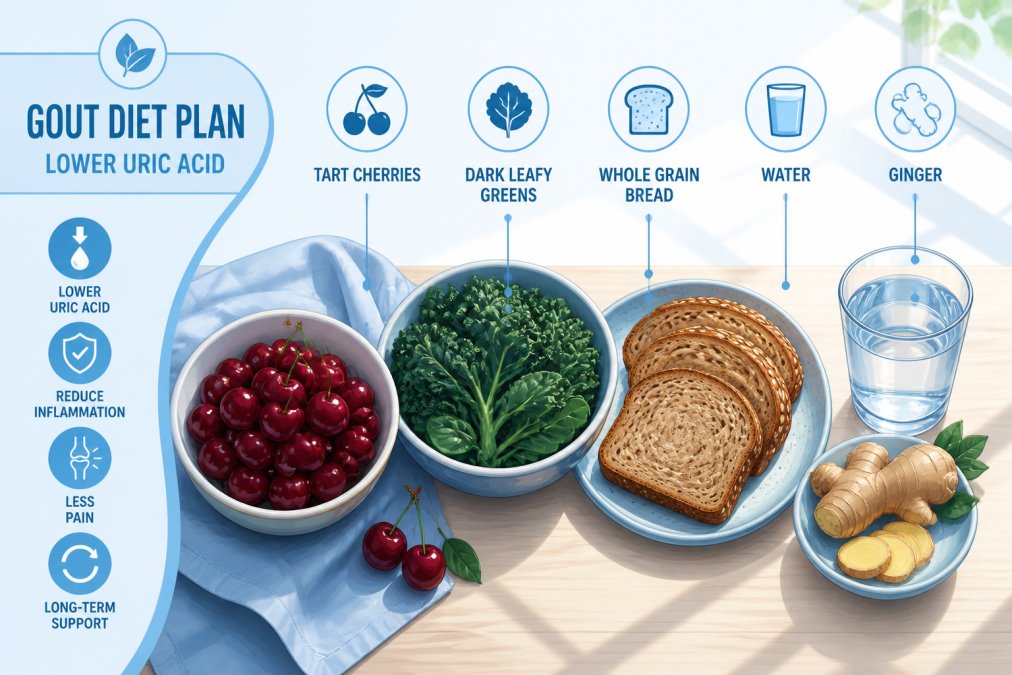
A modified Mediterranean-style diet aligns best with gout management: abundant vegetables, legumes, whole grains, low-fat dairy, and moderate fish. Low-fat dairy, particularly yogurt and skim milk, has been associated with lower uric acid levels.
A practical weekly framework:
- Protein sources: Prioritize eggs, low-fat dairy, tofu, and legumes. Include fatty fish two to three times weekly for omega-3s. Limit red meat to small portions.
- Vegetables: Eat freely. Focus on leafy greens, bell peppers, and broccoli for vitamin C.
- Grains: Whole grains over refined. Refined carbohydrates raise insulin, which reduces renal uric acid excretion.
- Hydration: Water as the primary beverage.
- Avoid: Alcohol, high-fructose beverages, organ meats, and large shellfish portions.
Weight management is critical. Excess body weight increases uric acid production and reduces renal clearance. Gradual, sustained weight reduction is the target. Crash dieting can trigger attacks by spiking uric acid during tissue breakdown.
The Psychological Impact of Chronic Gout and How to Manage It
Chronic gout erodes confidence in your own body. Patients with repeated flares develop anticipatory anxiety, avoid social situations involving food and alcohol, curtail physical activity, and become hypervigilant about joint twinges. Over time, behavioral avoidance compounds physical limitations.
Research published in Arthritis Care and Research documents the significant quality-of-life burden of recurrent gout, including effects on work productivity, social participation, and mental health.
Approaches that help:
- Track triggers, not just symptoms. A simple journal of diet, activity, and flares gives you data instead of anxiety.
- Set realistic expectations. Natural approaches reduce frequency and severity. They don't eliminate gout.
- Engage with your healthcare team as a partner. Specialists can monitor uric acid levels objectively, removing guesswork.
- Acknowledge the chronic disease framework. Gout is a manageable metabolic condition, not a character flaw.
Natural Ways to Treat Gout Pain: Final Steps to Take Today
The natural approaches covered here work best as a system. Cold therapy addresses acute pain. Hydration and anti-inflammatory foods reduce uric acid load. Dietary changes prevent future attacks. Sleep hygiene shortens flare duration. Addressing the psychological dimension makes all of it sustainable.
Start with what's immediately actionable. If you're in a flare now, apply cold compression and elevate the joint. Increase water intake. Avoid alcohol and purine-rich foods. When the acute phase passes, build longer-term dietary and lifestyle habits that reduce flare frequency.
For targeted cold compression therapy on joints affected by gout, the Penguin Fingers Cold Compression Gel Packs for Fingers and Toes ($14.95) offer wearable sleeves designed for this recurring inflammation.
As the American College of Rheumatology's gout management guidelines make clear, lifestyle modification is not optional in gout care. It's the foundation on which medical treatment works best.
Frequently Asked Questions
What drink flushes out gout?
Water is the most effective drink for reducing uric acid levels. Drinking 8 to 12 glasses per day helps your kidneys flush urate crystals from the body. Tart cherry juice is also widely used for its anti-inflammatory properties and may help lower uric acid over time. Avoid alcohol, especially beer, and limit sugary drinks, both are well-established dietary triggers that worsen hyperuricemia and can prolong a gout attack.
How long does a gout flare up last?
Most gout flare-ups peak within 12 to 24 hours of onset and typically resolve on their own within 3 to 10 days without treatment. With consistent natural remedies, cold therapy, hydration, rest, and dietary changes, many people find acute symptoms ease faster. Recurring flares that last longer or become more frequent usually signal that uric acid levels remain elevated and that a longer-term gout diet plan or medical evaluation is needed.
What foods should I avoid if I have gout?
Foods high in purines are the main dietary triggers for gout. Avoid organ meats like liver and kidneys, shellfish such as shrimp and mussels, red meat, and high-fructose corn syrup found in many sodas and packaged foods. Beer and spirits are particularly problematic because alcohol both raises uric acid production and reduces kidney excretion. Reducing these foods is one of the most direct lifestyle modifications for managing gout pain naturally.
Does drinking water help with gout?
Yes. Adequate hydration is one of the simplest and most effective natural ways to treat gout pain. Water helps the kidneys filter and excrete uric acid before it can form urate crystals in joints. Staying well-hydrated also reduces the severity and duration of a gout flare-up. Aim for at least 8 glasses per day, and increase intake during a flare. Plain water is more effective than caffeinated or sugary drinks for this purpose.
Gout pain is relentless when it strikes, and managing it without the right tools is harder than it needs to be. Penguin Fingers cold compression therapy sleeves are built for exactly this kind of targeted joint inflammation, offering wearable, reusable cold therapy for fingers, toes, feet, and elbows. Get started with Penguin Fingers and put a proper cold compression protocol in place before your next flare hits.
This article was written using GrandRanker


