

Table of Contents
- Understanding Wrist Tendinitis and Cold Compression Therapy
- Benefits of Cold Compression Therapy for Tendinitis
- How to Apply Cold Compression for Wrist Tendinitis
- How Long to Ice Wrist Tendinitis for Best Results
- Cold vs. Heat for Tendon Inflammation: Which Works Best
- Choosing the Right Cold Compression Sleeve for Your Needs
- When to Seek Medical Attention
- Conclusion
Last Updated: August 18, 2026
Understanding Wrist Tendinitis and Cold Compression Therapy
Wrist tendinitis occurs when the tendons in your wrist become inflamed due to repetitive strain, overuse, or acute injury. The condition causes pain, swelling, and reduced mobility that can interfere with daily activities like typing, gripping, or lifting. Cold compression for wrist tendinitis addresses both the inflammation and pain by combining two therapeutic mechanisms: the numbing effect of cold and the support of compression wrapping.
Cold therapy works by triggering vasoconstriction, which narrows blood vessels and reduces blood flow to the affected area. This decreases inflammation and swelling while providing immediate pain relief. Compression adds a mechanical support layer that stabilizes the wrist joint and prevents further irritation of the inflamed tendons. Together, these two elements create a powerful recovery tool that many people find more effective than ice packs alone.
The RICE protocol, rest, ice, compression, and elevation, has long been the standard approach for acute soft tissue injuries. Cold compression for wrist tendinitis fits directly into this framework, offering a convenient way to apply both ice and compression simultaneously without fumbling with separate ice packs and wraps. This integrated approach appeals to busy professionals, athletes, and anyone managing chronic tendinitis who needs practical, wearable relief.
At Penguin Fingers, we've designed cold compression sleeves specifically for wrist injuries and conditions like tendinitis. Our approach combines targeted cooling with ergonomic support, allowing you to maintain pain-free movement while your tendons heal.

Benefits of Cold Compression Therapy for Tendinitis
Cold compression therapy delivers multiple benefits that work together to accelerate recovery from wrist tendinitis. The cold reduces pain signals to your brain, providing immediate relief that makes movement more tolerable during the healing process. This numbing effect allows you to maintain some functional use of your wrist without aggravating the injury further.
Inflammation is the root cause of tendinitis pain and swelling. Cold therapy directly addresses this by reducing blood flow to the injured area, which slows the inflammatory response. Over repeated applications, this helps prevent the chronic inflammation that can prolong recovery. The compression component adds a crucial benefit: it provides mechanical support that reduces excessive movement of the damaged tendons, allowing them to heal in a stable environment.
Many people with chronic tendinitis find that cold compression helps them avoid over-reliance on pain medication. By managing inflammation and pain through physical means, you reduce the need for frequent dosing of anti-inflammatory drugs. This is particularly valuable for individuals managing conditions like rheumatoid arthritis or those with sensitivities to medication.
Another significant benefit is improved circulation during the recovery window. When you remove the cold compression sleeve, blood flow returns to the area in a controlled manner, bringing nutrients and oxygen that support healing. This contrast between vasoconstriction and the subsequent vasodilation creates an active recovery environment.
How to Apply Cold Compression for Wrist Tendinitis
Step-by-Step Application Guide
Proper application technique determines how much relief you'll actually experience. Start by preparing your wrist: if you've been active, allow 5-10 minutes of rest before applying cold compression. This gives your tissues time to stabilize and prevents the shock of sudden cold on overheated tendons.
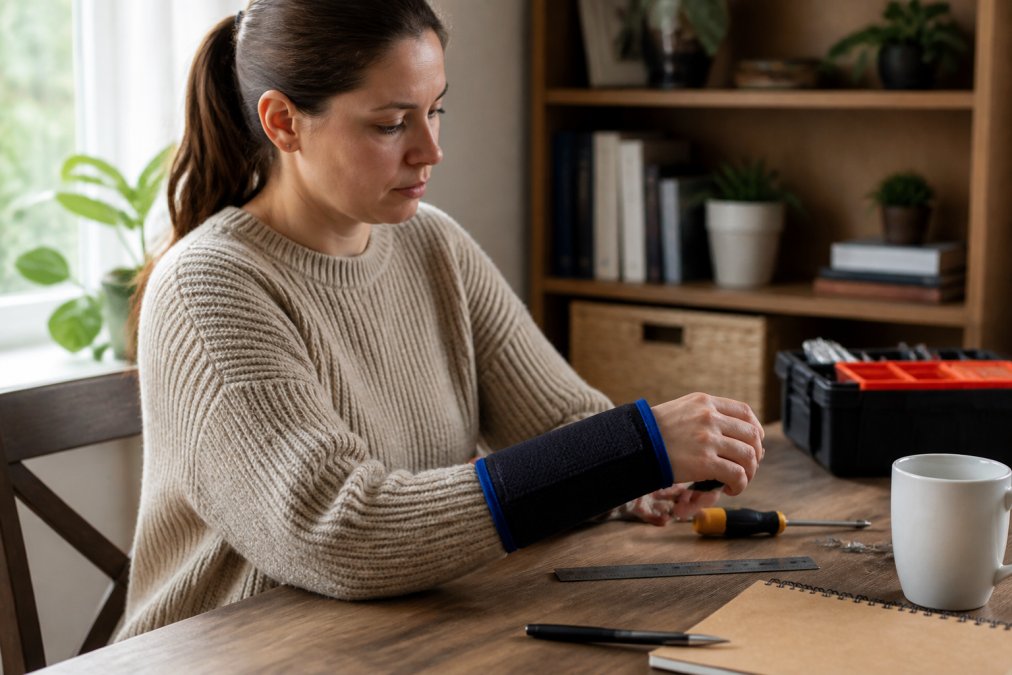
Step 1: Position the sleeve correctly. Slide the cold compression sleeve over your hand and wrist, ensuring it sits snugly but not so tight that it cuts off circulation. The sleeve should cover the area from your mid-forearm to your knuckles. Adjust the fit so you can fit one finger underneath the compression material, this ensures adequate support without restricting blood flow.
Step 2: Activate the cooling element. If using a reusable gel pack sleeve like the Penguin Fingers Wrist Cold Compression Pack, remove it from the freezer or refrigerator. The gel pack should be cold but not frozen solid, which prevents ice burn. Slide the cooling pack into the designated pocket within the sleeve.
Step 3: Secure any straps or fasteners. Many cold compression sleeves include adjustable straps or closures. Tighten these gently until the sleeve feels secure on your wrist without cutting into your skin. You should feel supported, not restricted.
Step 4: Elevate your wrist if possible. Position your arm so your wrist is elevated above heart level. This works synergistically with compression to reduce swelling more effectively than compression alone.
Post-Application Skin Care
Your skin requires attention after removing cold compression therapy. Prolonged cold exposure can cause temporary redness, numbness, or even ice burn if the temperature is too extreme. After your session ends, remove the sleeve and inspect your skin for any signs of irritation.

Gently pat your skin dry if there's any condensation from the cooling pack. Apply a light moisturizer to the treated area to restore hydration, as cold therapy can temporarily dry out skin. If you notice persistent redness or sensitivity, wait at least 2-3 hours before applying cold compression again to allow your skin to fully recover.
Many people apply cold compression multiple times daily, which means proper skin care becomes important for maintaining healthy tissue underneath. Avoid applying cold compression directly to broken skin, open wounds, or areas with active skin conditions. A thin layer of cloth between your skin and the sleeve provides additional protection during extended wear.
How Long to Ice Wrist Tendinitis for Best Results
The recommended duration for cold compression therapy is 15-20 minutes per session. This timeframe provides sufficient cold exposure to reduce inflammation and numb pain without risking ice burn or excessive tissue cooling. Most people notice pain relief beginning around the 10-minute mark, with maximum benefit occurring between 15-20 minutes.
Frequency matters as much as duration. For acute tendinitis flare-ups, apply cold compression every 2-3 hours during the first 48 hours. This frequent application prevents inflammation from escalating and keeps pain manageable. As the acute phase subsides, you can reduce frequency to 2-3 times daily, typically in the morning, after activity, and before bed.
For chronic tendinitis that flares periodically, many people find that applying cold compression once or twice daily maintains their baseline pain level. Some use it preventatively before activities they know will aggravate their wrist. Others apply it after activity to prevent inflammation from building overnight.
Listen to your body's response. If you experience numbness that extends beyond the immediate cold compression period or develops a tingling sensation, you may be applying cold compression too frequently or for too long. Reduce duration to 10-15 minutes and increase the time between sessions. Conversely, if you're not noticing pain relief after one week of consistent application, the issue may require medical evaluation.
Cold vs. Heat for Tendon Inflammation: Which Works Best
Cold and heat serve different purposes in injury recovery, and understanding when to use each is crucial for managing wrist tendinitis effectively. Cold therapy is the primary choice for acute inflammation and swelling. In the first 48-72 hours after injury, cold compression reduces inflammation and pain more effectively than heat. Cold narrows blood vessels, slowing the inflammatory response that causes swelling.
Heat therapy becomes more beneficial after the acute inflammation phase subsides, typically after 3-5 days. Heat increases blood flow to the area, which brings healing nutrients and oxygen to damaged tendons. Heat also relaxes muscle tension that often accompanies tendinitis, improving mobility and reducing stiffness.
For chronic tendinitis that flares intermittently, many people benefit from alternating cold and heat. Use cold compression immediately after activity or during acute flare-ups to control inflammation. Switch to heat therapy during periods of rest or as part of gentle stretching routines to maintain mobility and support the healing process.
The key distinction: cold addresses inflammation and acute pain, while heat addresses stiffness and chronic pain. If your wrist tendinitis involves significant swelling, cold compression is your primary tool. If your main complaint is joint stiffness and reduced range of motion, heat becomes more valuable. Many people discover that combining both, cold immediately after activity, heat during evening relaxation, provides optimal pain management.
Choosing the Right Cold Compression Sleeve for Your Needs
Selecting an effective cold compression sleeve requires understanding what features actually matter for wrist tendinitis relief. The sleeve should provide 360-degree coverage around your wrist, ensuring that compression is distributed evenly rather than concentrating pressure on one side. Uneven compression can create pressure points that become uncomfortable during extended wear.
Material quality directly affects comfort and durability. Look for sleeves made from breathable fabric that won't trap heat and moisture against your skin. Neoprene is a popular choice because it maintains flexibility while providing compression, though newer materials offer better breathability. The inner lining should be soft and non-irritating, since you'll be wearing this against your skin for 15-20 minute sessions.
The cooling element itself matters significantly. Reusable gel packs stay cold longer than traditional ice packs and distribute cold more evenly. The Penguin Fingers Wrist Cold Compression Pack uses a gel pack design that maintains therapeutic temperature throughout your session without the mess of melting ice. Gel packs also conform better to your wrist's contours, providing more consistent cold exposure to the affected tendons.
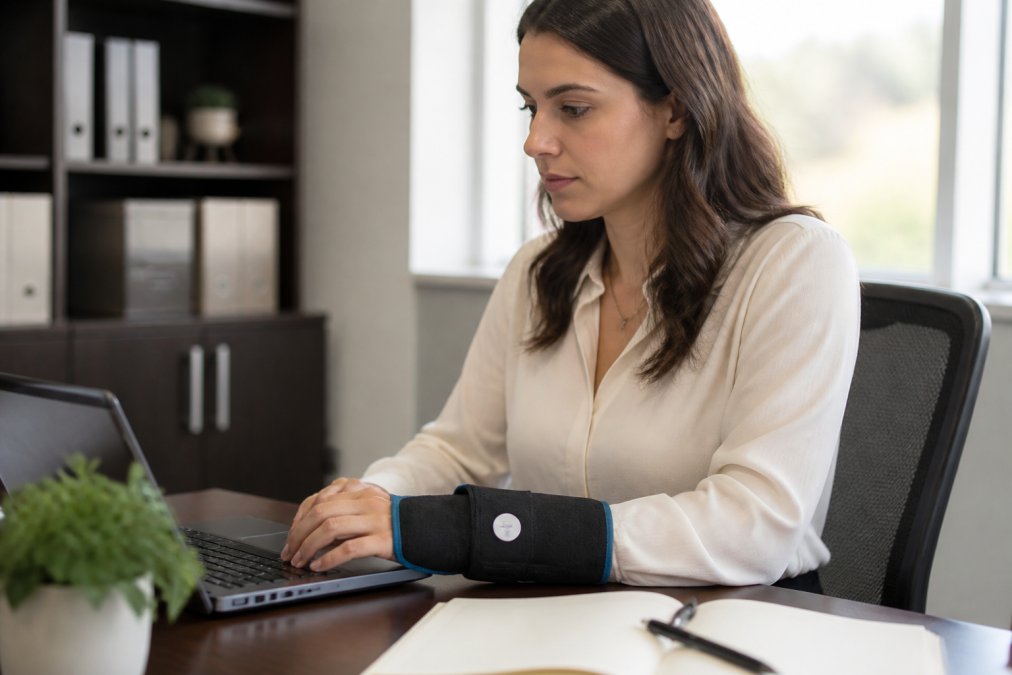
Adjustability is another critical feature. Straps or fasteners allow you to customize compression tightness, which is important because every wrist is different. Too loose and you lose the compression benefit; too tight and you restrict circulation. The ability to fine-tune fit ensures you get maximum benefit without discomfort.
Consider whether you want dual hot and cold capability. Some sleeves, like the Penguin Fingers Elbow and Foot Cold Compression Therapy Sleeve, offer both options in a single product. This versatility is valuable if you manage multiple joint issues or want flexibility in your recovery approach. A dual-function sleeve eliminates the need to purchase separate products for different therapy phases.
Durability and ease of maintenance affect long-term value. Sleeves with removable, washable gel packs are easier to maintain than fixed designs. Check whether the sleeve itself is machine-washable or requires hand washing. For something you'll use regularly, durability and easy care matter as much as initial cost.
When to Seek Medical Attention
While cold compression therapy is effective for managing tendinitis, certain symptoms warrant professional medical evaluation. If pain persists beyond two weeks of consistent cold compression therapy, or if swelling doesn't improve after several days, schedule an appointment with your healthcare provider. Persistent symptoms may indicate a more serious injury like a tendon tear or carpal tunnel syndrome, which requires different treatment approaches.
Seek immediate medical attention if you experience sudden severe pain, significant swelling that develops rapidly, or visible deformity in your wrist. These signs suggest an acute injury beyond simple tendinitis. Additionally, if you develop numbness or tingling that extends into your fingers and doesn't resolve when you remove the cold compression sleeve, this could indicate nerve compression that needs professional assessment.
People with certain conditions should consult their doctor before using cold compression therapy. Those with rheumatoid arthritis, severe circulation problems, or Raynaud's disease should get medical clearance, as cold exposure can affect these conditions differently. If you have diabetes, reduced sensation in your hands, or compromised skin integrity, professional guidance ensures you use cold therapy safely.
If cold compression therapy provides temporary relief but your tendinitis returns as soon as you stop treatment, this pattern suggests you need a more comprehensive recovery plan. Physical therapy, ergonomic modifications, or activity adjustments may be necessary to address the underlying cause. Your healthcare provider can recommend these complementary approaches alongside cold compression therapy.
Managing wrist tendinitis requires a multifaceted approach, and cold compression therapy is one of the most effective tools available for pain relief and inflammation control. The Penguin Fingers Wrist Cold Compression Pack delivers targeted cooling and compression support designed specifically for wrist injuries, helping you maintain comfort while your tendons heal. With proper application technique and consistent use, cold compression therapy can significantly reduce pain and swelling, allowing you to return to your normal activities faster. Start with the Penguin Fingers Wrist Cold Compression Pack at just $16.95, a practical investment in your recovery that thousands of Americans already trust for managing tendinitis and joint pain.
Frequently Asked Questions
Is cold compression good for wrist tendinitis?
Yes. Cold compression reduces inflammation and numbing pain in wrist tendinitis by decreasing blood flow to the affected area through vasoconstriction. The compression component prevents swelling and provides joint support, making it an effective non-operative treatment for acute and chronic wrist pain. Most people experience noticeable relief within the first few days of consistent use.
How long should I ice my wrist for tendinitis?
Apply cold compression for 15 to 20 minutes at a time, three to four times daily during acute flare-ups. Never ice continuously for more than 20 minutes, as prolonged exposure can damage skin. For chronic tendinitis, you can reduce frequency to once or twice daily as symptoms improve. Always allow at least 2 hours between sessions to let skin temperature normalize.
Should I use heat or cold for wrist tendinitis?
Cold therapy is best for acute tendinitis and active inflammation because it reduces swelling and numbing pain. Heat works better for chronic stiffness and muscle tension after the acute phase has passed. Many people benefit from cold compression during the first 48 to 72 hours, then switch to heat for mobility. If you're unsure which stage your tendinitis is in, start with cold and consult a healthcare provider.
Can I wear a cold compression sleeve while working at my desk?
Yes. Wearable cold compression sleeves are designed for comfort during daily activities, including office work. The Penguin Fingers Wrist Cold Compression Pack ($16.95) provides targeted relief without restricting movement or requiring you to hold an ice pack. You can wear it during work, then remove it after 15 to 20 minutes. This makes it ideal for people managing tendinitis while maintaining their regular routine.
This article was written using GrandRanker


