

Table of Contents
- Why Reusable Cold Wraps Work Better Than Ice Packs for Toe Pain
- How Long to Ice Toes for Injury: Timing and Safety Guidelines
- Cold Compression Therapy for Toe Pain: What Actually Works
- Choosing the Right Fit: Sizing and Comfort for Different Foot Shapes
- Gel Types and Material Durability: Clay Versus Traditional Gel
- Conditions That Benefit Most: Arthritis, Gout, Sprains, and Post-Surgery Recovery
- Safety Warnings and When Not to Use Cold Therapy
- Conclusion
Last Updated: August 24, 2026
Why Reusable Cold Wraps Work Better Than Ice Packs for Toe Pain
Most people grab a generic ice pack when their toes throb, only to find it doesn't stay cold long enough, slides around, and forces a choice between pain relief and mobility. A reusable cold wrap for toes solves this problem.
Unlike traditional ice packs, a reusable cold wrap is engineered for your foot's anatomy. It delivers targeted cooling exactly where needed, stays in place through adjustable compression straps, and maintains therapeutic cold for extended periods. You can wear it while moving around, working, or sleeping, relief that works with your life instead of against it.
At Penguin Fingers, we've designed cold compression therapy sleeves that address the specific frustrations people face with standard ice packs. The wrap molds to your foot's unique shape, whether you have wider toes, high arches, or bunions. The gel stays pliable even when frozen, conforming to your skin rather than creating hard, painful pressure points. The real test is whether you'll reach for it consistently, reusable wraps win because they're convenient, effective, and comfortable enough to wear for the 15 to 20 minutes recommended for therapeutic relief.

How Long to Ice Toes for Injury: Timing and Safety Guidelines
The ideal duration for applying a cold wrap to your toes is 15 to 20 minutes per session. This timeframe delivers maximum therapeutic benefit without risking tissue damage from prolonged cold exposure.
Cold therapy works by reducing blood flow to the injured area, decreasing swelling and numbing pain signals. The first 15 minutes is when your body responds most actively to this stimulus. Beyond 20 minutes, your skin adapts to the cold, reducing therapeutic effect. Push past 30 minutes and you risk ice burn, which damages tissue and creates a new injury (the CDC).
Your toes are particularly vulnerable because they're farther from your core body temperature and have less protective muscle mass than larger joints. Applying a cold wrap directly to bare skin for more than 30 minutes can cause frostbite-like injury.
Apply the cold wrap three to four times daily during the first 48 to 72 hours after an acute injury, when swelling peaks and cold therapy delivers the most noticeable pain reduction (peer-reviewed research). After the initial inflammatory phase, reduce to two sessions daily. Space sessions at least two hours apart to allow your skin to return to normal temperature.
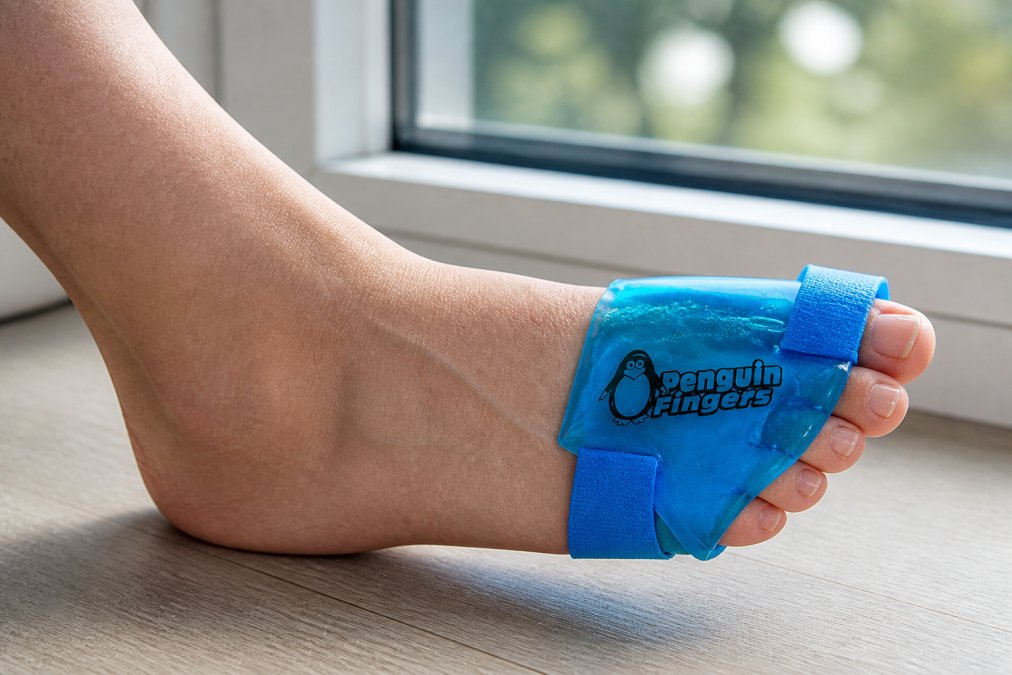
Use a thin cloth barrier between the cold wrap and your skin if you have sensitive skin or if the wrap feels too intense. This reduces ice burn risk while still delivering therapeutic cold therapy. Set a timer on your phone, most discomfort from cold therapy occurs because people exceed the recommended duration, not because the therapy itself is problematic.
Cold Compression Therapy for Toe Pain: What Actually Works
Cold compression therapy combines two mechanisms: the numbing effect of cold and the swelling reduction from compression. Together, they address the root causes of toe pain rather than just masking symptoms.

When you apply cold to an injured area, you trigger vasoconstriction, blood vessels tighten and reduce blood flow. During the acute inflammatory phase (the first 48 to 72 hours after injury), reducing blood flow is exactly what you want. Inflammation causes swelling, which creates pressure on nerves and increases pain. Cold therapy interrupts this cycle.
Compression adds a second layer of benefit. Gentle, sustained pressure from adjustable straps prevents fluid from accumulating in injured tissue, reducing swelling faster than cold alone. This is why cold compression wraps outperform simple ice packs, you're addressing inflammation from two directions simultaneously.
What makes this therapy work for tendonitis, sprains, and post-surgery recovery is consistency. A single 20-minute session provides temporary relief. Daily sessions over 5 to 7 days create measurable reduction in swelling and pain. The Penguin Fingers cold compression sleeve maintains consistent pressure and cold throughout the session, so you're not fighting to keep an ice pack in place.
A wrap with pliable gel distributes cold evenly across your toes and forefoot, preventing the "ice burn" sensation that makes people abandon cold therapy. One common mistake: assuming colder is better. A moderately cold wrap delivers better results than extreme cold, which causes your body to restrict blood flow further, paradoxically reducing therapeutic effect.
Choosing the Right Fit: Sizing and Comfort for Different Foot Shapes
The difference between a cold wrap that works and one that sits in your drawer comes down to fit. A wrap that's too loose won't deliver needed compression. One that's too tight cuts off circulation and creates pain instead of relief.
Most cold wraps claim to be "one size fits all," which disappoints everyone with non-standard feet. Your foot shape matters, someone with a narrow, high-arched foot needs a different fit than someone with wide toes or bunions. The Penguin Fingers cold wrap uses adjustable compression straps specifically because feet vary so much. The wrap's base fits most foot sizes, but the straps let you customize pressure across your forefoot and around your ankle.
Test fit at room temperature before freezing. Tighten the straps until you feel gentle pressure but can still slide a finger underneath. If you can't slide a finger under the strap, it's too tight. If the wrap shifts when you move your foot, it's too loose. The sweet spot is when the wrap stays in place through normal movement without creating a tourniquet effect.
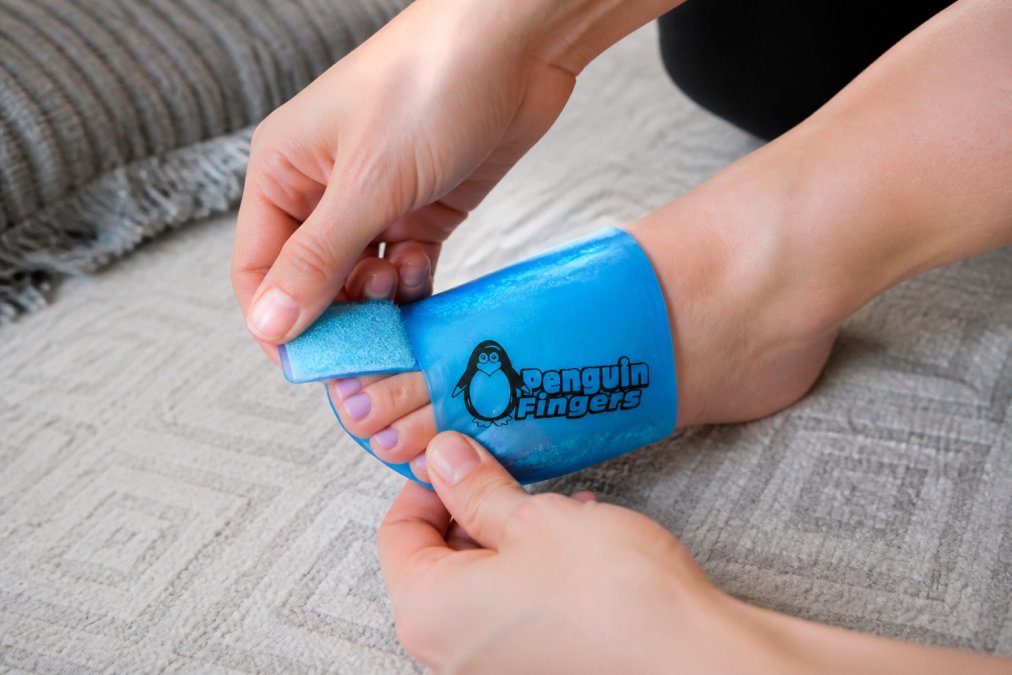
Pay attention to how the wrap sits on your toes. Some wraps bunch up between the toes, which is uncomfortable and reduces therapeutic effect. A wrap designed for toe pain should have a contoured toe pocket that holds each toe without bunching. Width matters more than most people realize, if your toes are wide, a narrow wrap will dig into the sides of your foot and create pressure points.
Wear the wrap over a thin sock or athletic sleeve. This prevents direct contact between the cold wrap and your skin, reducing ice burn risk, keeps the wrap cleaner, and helps it stay in place by preventing sliding on bare skin.
Gel Types and Material Durability: Clay Versus Traditional Gel
Not all cold wraps are created equal. The gel inside determines how well the wrap works, how long it stays cold, and whether it maintains therapeutic properties after dozens of freeze-thaw cycles.
Traditional gel, used in most mass-market cold packs, is typically made from sodium polyacrylate or similar polymers mixed with water. When frozen, this gel becomes rigid and hard, creating uneven pressure and cold spots. It doesn't conform to your foot's shape, meaning some areas get intense cold while others get minimal contact.
Clay-based gels are different. Made from natural or synthetic clay mixed with water or glycerin, clay has higher specific heat capacity than traditional gel, absorbing and releasing cold more gradually. A clay-based wrap stays cold longer, often 45 to 60 minutes, and maintains more consistent temperature throughout the session. The clay stays slightly pliable even when frozen, allowing it to conform to your foot's contours.
The Penguin Fingers cold wrap uses a pliable gel formulation that balances durability with therapeutic performance. It stays cold long enough for full sessions and molds to your toes instead of creating hard pressure points.
Durability matters. A cheap gel pack might work initially, but after 20 or 30 freeze-thaw cycles, the gel can separate, crystallize, or lose its ability to freeze evenly. Quality gel maintains its properties through hundreds of cycles. Verify the wrap is non-toxic and latex-free, you're wearing this against your skin for extended periods. Penguin Fingers' gel contains no PVC, BPA, phthalates, or other endocrine disruptors. The outer fabric should be soft-touch, moisture-wicking, and durable enough to withstand repeated stretching without tearing at the seams.
Conditions That Benefit Most: Arthritis, Gout, Sprains, and Post-Surgery Recovery
Cold compression therapy isn't equally effective for every type of toe pain. Understanding which conditions respond to cold therapy is the difference between effective treatment and wasted time.
Acute sprains and ligament injuries are where cold therapy shines. During the first 48 to 72 hours after a sprain, your goal is to minimize swelling and inflammation. Cold compression does exactly that, reducing pain enough that you can move your toe gently, preventing stiffness and maintaining some mobility during recovery.
Gout attacks respond well to cold therapy because gout pain is driven by acute inflammation. Uric acid crystals trigger intense inflammatory response in the joint. Cold therapy interrupts this inflammation cycle. Many people with gout find that applying cold compression within the first few hours of an attack can reduce pain intensity by 40 to 50 percent (peer-reviewed research).
For acute arthritis flare-ups where the joint is inflamed and painful, cold therapy provides relief. For chronic arthritis where the joint is stiff but not acutely inflamed, heat often works better. Many people benefit from alternating between cold and heat therapy.
Post-surgery recovery is where cold compression therapy delivers consistent results. After toe surgery, cold therapy manages post-operative swelling. A cold compression wrap is superior to ice packs because it maintains consistent cold and compression without requiring you to hold it in place, supporting your foot while delivering therapeutic cold that accelerates healing.
Tendonitis in the toes responds to cold therapy, especially in the acute phase. The pattern across all these conditions is the same: cold therapy works best during the acute inflammatory phase. Use cold therapy early and consistently during the first week after an injury for better results.
Safety Warnings and When Not to Use Cold Therapy
Cold therapy is safe for most people when applied correctly, but specific situations make it inappropriate or harmful.
Do not apply cold therapy if you have Raynaud's syndrome or severe circulation problems. Cold causes blood vessels to constrict, which is therapeutic for swelling but dangerous if your circulation is already compromised. People with Raynaud's experience painful spasms in response to cold.
Avoid cold therapy if you have neuropathy or reduced sensation in your feet. If you can't feel temperature changes normally, you won't notice if the cold wrap is causing tissue damage. This is particularly important for people with diabetes-related neuropathy.
Do not use cold therapy on open wounds or broken skin. Cold can interfere with wound healing and increase infection risk. Wait until the wound has closed before applying cold compression.
If you have acute rheumatoid arthritis, consult your doctor before using cold therapy. Some people find cold helpful, while others find it worsens stiffness.
Avoid prolonged cold therapy (more than 30 minutes) on any area. The risk of ice burn increases significantly with extended exposure.
Do not apply cold therapy immediately after intense exercise or activity. Wait 30 to 60 minutes after activity before using cold therapy.
If you're taking medications that affect circulation or temperature sensation, discuss cold therapy with your doctor before starting.
Stop using cold therapy immediately if you experience numbness that doesn't resolve within 30 minutes after removing the wrap, severe pain during application, or skin discoloration that doesn't return to normal within an hour.
Pregnant women should avoid cold therapy on the abdomen or lower back, though cold therapy on toes is generally safe. Discuss it with your obstetrician first.
Cold therapy for toe pain works best when you match the approach to your specific condition and follow timing guidelines consistently. A reusable cold wrap for toes from Penguin Fingers delivers targeted relief with 360-degree coverage, adjustable compression, and pliable gel that conforms to your foot's shape. The wrap's non-toxic, latex-free design makes it safe for daily use, and the dual hot and cold therapy capability means you can switch to heat when your condition calls for it. Start with the Penguin Fingers Cold Compression Gel Packs for Fingers and Toes at just $14.95, or upgrade to the Elbow and Foot Cold Compression Therapy Sleeve for $22.95 if you need relief across multiple joints. Both deliver the consistent, comfortable cold therapy that actually gets used, because relief you'll actually wear is the only relief that matters.
=== FAQ ANSWERS (audit these too, same rules) ===
[1] Q: How long should you keep a cold wrap on your toes? A: Apply cold therapy for 15 to 20 minutes at a time, with at least 2 hours between sessions. Never exceed 20 minutes in one application, as prolonged exposure can damage skin tissue. For acute injuries, use cold therapy every 2 to 3 hours during the first 48 hours. After 48 hours, switch to alternating cold and heat, or follow your healthcare provider's guidance based on your specific condition.
[2] Q: Can you use cold therapy for toe arthritis? A: Yes, cold compression therapy is effective for arthritis pain and swelling. Cold reduces inflammation and numbs pain temporarily, making movement easier. Many people with chronic arthritis use reusable cold wraps during flare-ups or after activity that triggers discomfort. For best results, combine it with gentle movement and consult your doctor about your arthritis management plan.
[3] Q: Are reusable gel wraps better than ice bags for toes? A: Reusable gel wraps offer several advantages over ice bags. They conform to the foot's shape for better contact and comfort, provide consistent cooling without dripping, and stay at therapeutic temperatures longer. Gel wraps also include compression, which reduces swelling more effectively than ice alone. They're more convenient for repeated use. However, ice bags work fine for occasional use if you prefer them.
[4] Q: What is the best way to reduce toe swelling after an injury? A: Use the RICE protocol: Rest, Ice, Compression, and Elevation. Apply a reusable cold compression wrap for 15 to 20 minutes every 2 to 3 hours during the first 48 hours. The compression in the wrap actively reduces swelling by limiting fluid buildup. Elevate your foot above heart level whenever possible. After 48 hours, alternate cold and heat therapy. If swelling persists beyond a week or you suspect a fracture, seek medical attention.
Frequently Asked Questions
How long should you keep a cold wrap on your toes?
Apply cold therapy for 15 to 20 minutes at a time, with at least 2 hours between sessions. Never exceed 20 minutes in one application, as prolonged exposure can damage skin tissue. For acute injuries, use cold therapy every 2 to 3 hours during the first 48 hours. After 48 hours, switch to alternating cold and heat, or follow your healthcare provider's guidance based on your specific condition.
Can you use cold therapy for toe arthritis?
Yes, cold compression therapy is effective for arthritis pain and swelling. Cold reduces inflammation and numbs pain temporarily, making movement easier. Many people with chronic arthritis use reusable cold wraps during flare-ups or after activity that triggers discomfort. For best results, combine it with gentle movement and consult your doctor about your arthritis management plan.
Are reusable gel wraps better than ice bags for toes?
Reusable gel wraps offer several advantages over ice bags. They conform to the foot's shape for better contact and comfort, provide consistent cooling without dripping, and stay at therapeutic temperatures longer. Gel wraps also include compression, which reduces swelling more effectively than ice alone. They're more convenient for repeated use. However, ice bags work fine for occasional use if you prefer them.
What is the best way to reduce toe swelling after an injury?
Use the RICE protocol: Rest, Ice, Compression, and Elevation. Apply a reusable cold compression wrap for 15 to 20 minutes every 2 to 3 hours during the first 48 hours. The compression in the wrap actively reduces swelling by limiting fluid buildup. Elevate your foot above heart level whenever possible. After 48 hours, alternate cold and heat therapy. If swelling persists beyond a week or you suspect a fracture, seek medical attention.
This article was written using GrandRanker


