

Table of Contents
- Understanding Finger Arthritis and Its Impact
- Hand Arthritis Exercises That Build Strength and Mobility
- Heat vs Cold Therapy for Arthritis: When to Use Each
- Best Splints for Finger Arthritis and Proper Wear
- Over-the-Counter Pain Relief and Anti-Inflammatory Options
- Lifestyle Changes That Reduce Finger Arthritis Pain Daily
- Nutrition and Sleep: Overlooked Tools for Pain Management
- Conclusion
Last Updated: August 12, 2026
Understanding Finger Arthritis and Its Impact
Finger arthritis is a degenerative condition affecting the joints in your hands, causing pain, stiffness, and reduced range of motion that can interfere with daily activities. The condition develops when cartilage protecting the joints breaks down, leading to inflammation, swelling, and tenderness. Two primary types affect the fingers: osteoarthritis, which develops from wear and tear over time, and rheumatoid arthritis, an autoimmune condition that attacks joint tissue.
The impact extends beyond physical discomfort. Many people with finger arthritis struggle with grip strength, find typing painful, or experience difficulty opening jars and handling small objects. Chronic pain from arthritis can also affect sleep quality and mental health, creating a cycle where poor rest worsens inflammation and pain perception.
Understanding your specific type of arthritis and its triggers is the foundation for effective pain management. This guide from Penguin Fingers breaks down seven proven methods to reduce finger arthritis pain, from targeted exercises to therapeutic tools that provide immediate relief. Whether you're managing early-stage symptoms or dealing with years of joint damage, these strategies address both the root causes and daily pain management.

Hand Arthritis Exercises That Build Strength and Mobility
Hand arthritis exercises are essential for maintaining joint function and slowing progression. Gentle movement increases circulation, reduces stiffness, and strengthens the muscles supporting your joints, all without causing harm to damaged cartilage when performed correctly.
The key is consistency over intensity. Perform these exercises daily, even on days when your hands feel good. Most people notice improved mobility within 2-3 weeks of regular practice.
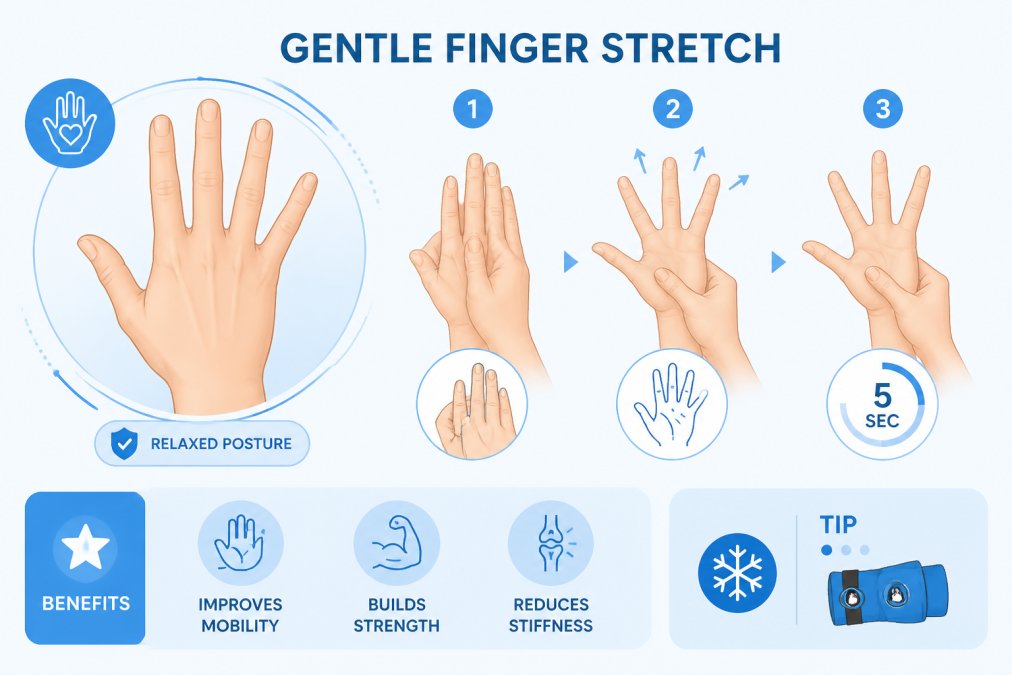
Gentle Daily Stretches
Stretching maintains flexibility and reduces the morning stiffness many arthritis sufferers experience. These stretches should never cause sharp pain, mild tension is normal, but stop immediately if you feel joint pain.
Fist stretch: Make a gentle fist, holding for 5 seconds, then straighten your fingers fully. Repeat 10 times. This exercise maintains the full range of motion your joints need for everyday tasks.
Thumb opposition: Touch your thumb to each fingertip, one at a time, creating an "O" shape with your hand. Hold each position for 2-3 seconds. Repeat the sequence 5 times. This targets the thumb joint, which bears significant stress during gripping activities.
Finger extension: Place your hand flat on a table, palm down. Lift each finger individually off the table while keeping your hand still. Hold for 2 seconds per finger. Do 10 repetitions. This exercise isolates and strengthens individual finger extensors.
Tendon gliding: Make a hook fist (fingers bent at middle knuckles only), then straighten into a table-top position (knuckles bent, fingers extended), then make a full fist. Move through all three positions slowly, 10 times. This sequence activates the tendons that control finger movement.
Perform stretches in the morning when stiffness is worst and again in the evening. Hold each stretch for 5-10 seconds without bouncing.
Grip and Pinch Strengthening
Building grip strength protects your joints by distributing load more evenly across the hand structure. Weak muscles force damaged joints to work harder, accelerating wear.
Therapy putty exercises: Knead soft therapy putty with your fingers for 2-3 minutes daily. Start with light resistance and gradually progress as your strength improves. This provides variable resistance that adapts to your current strength level.
Finger pinch holds: Pinch a soft stress ball or therapy putty between your thumb and each finger individually. Hold for 5 seconds, release, and move to the next finger. Complete 10 repetitions per finger combination. This targets the small muscles that stabilize individual finger joints.
Resistance band finger extensions: Loop a resistance band around your fingers and thumb. Extend your fingers against the band's resistance. Perform 15 repetitions. Start with light resistance and increase as your strength improves.

These strengthening exercises should be done 3-4 times per week, allowing at least one rest day between sessions. Overworking inflamed joints worsens pain, so listen to your body and reduce intensity on high-pain days.
Heat vs Cold Therapy for Arthritis: When to Use Each
Heat and cold therapy address different aspects of arthritis pain. Understanding when to use each approach maximizes relief and prevents further inflammation.
Cold therapy reduces inflammation and numbs sharp pain. It's most effective immediately after activity that aggravates your joints or during acute flare-ups. Cold constricts blood vessels, decreasing swelling and reducing the inflammatory response. Apply cold for 15-20 minutes at a time, with at least 2 hours between applications.
Heat therapy eases stiffness and improves circulation, making it ideal for morning pain and chronic aching. Heat relaxes tight muscles surrounding affected joints and increases blood flow, delivering oxygen and nutrients to damaged tissue. Use heat for 15-20 minutes before exercise or activity to prepare your joints. A paraffin wax bath, where you dip your hand into warm wax multiple times to build a protective coating, provides deep, sustained heat that many arthritis sufferers find remarkably effective.
The general rule: use cold for acute inflammation and sharp pain, heat for chronic stiffness and preparation before activity. Many people benefit from cold therapy in the morning to reduce overnight inflammation, then heat therapy before hand-intensive tasks.
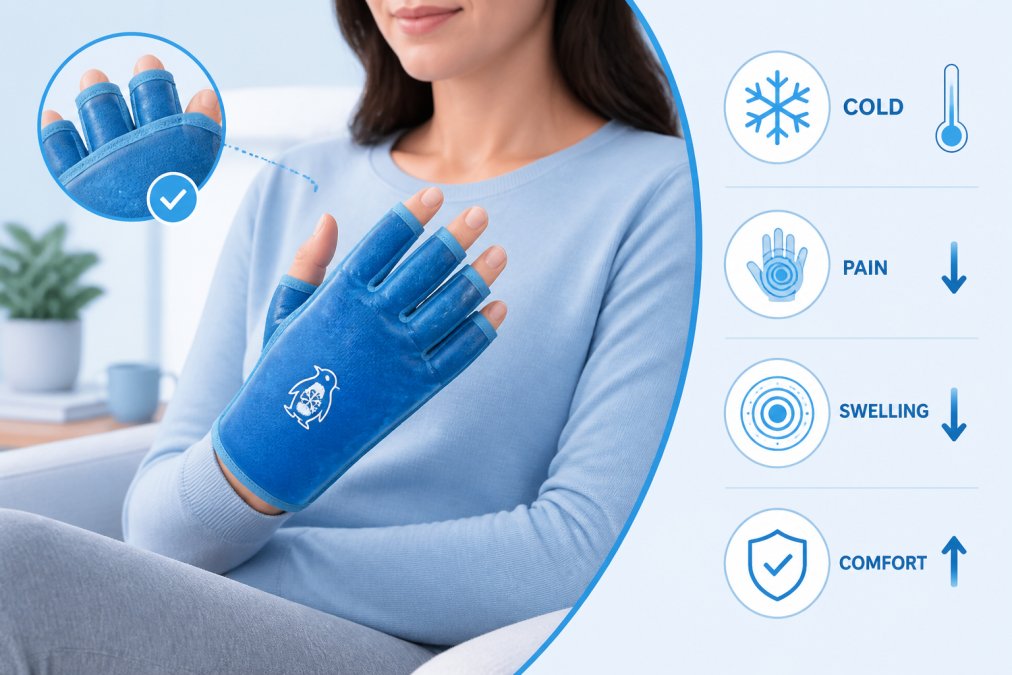
Penguin Fingers Cold Compression Gel Packs for Fingers and Toes deliver targeted cold therapy in a wearable design. The flexible gel pack conforms to your hand, providing even pressure and cold that reduces swelling without the mess of ice packs. Many users report noticeable pain reduction within 10-15 minutes of application, making these packs practical for managing flare-ups throughout your day.
Best Splints for Finger Arthritis and Proper Wear
Splinting protects damaged joints by limiting excessive movement while still allowing functional use. A proper splint reduces pain during activity by distributing stress more evenly across the joint structure.
When to wear splints: Use splints during activities that aggravate your pain, typing, writing, gripping, or repetitive hand movements. Many people wear splints during work hours and remove them during rest periods. Some prefer wearing them at night to prevent the hand from curling into painful positions during sleep.
Types of splints:
- Finger splints stabilize individual joints, ideal for arthritis affecting specific fingers
- Hand splints support multiple joints and provide broader stability
- Compression gloves offer gentle support and warmth while allowing full hand use
Proper fit is critical. A splint that's too tight restricts circulation and worsens pain. A splint that's too loose provides no support. Your splint should feel snug but not constrictive, you should be able to slide one finger under the edge comfortably.
Penguin Fingers Finger Splint Wrap provides targeted support for individual finger joints at $7.95. The adjustable design fits various hand sizes, and the wrap-style construction allows you to customize compression levels. Users appreciate the ability to adjust tightness throughout the day as pain levels change.
Wear your splint consistently during high-risk activities. Research shows that consistent splint use reduces pain during gripping tasks by 30-40%, though these numbers vary based on individual severity and splint quality.
Over-the-Counter Pain Relief and Anti-Inflammatory Options
Over-the-counter medications provide short-term pain relief and reduce inflammation, making them valuable tools for managing acute flare-ups and maintaining function during daily activities.
Nonsteroidal anti-inflammatory drugs (NSAIDs) like ibuprofen and naproxen reduce both pain and inflammation. These work by blocking the production of prostaglandins, chemicals that trigger inflammation and pain signals. Take NSAIDs with food to prevent stomach irritation. Most people find that consistent use (every 6-8 hours) works better than taking medication only when pain becomes severe.
Topical analgesics like creams and gels containing menthol or capsaicin provide localized relief without systemic effects. These work by creating a warming or cooling sensation that overrides pain signals and increases local circulation. Apply topical treatments directly to affected joints 3-4 times daily. Many arthritis sufferers combine topical treatments with oral medications for enhanced relief.
Acetaminophen is an alternative if NSAIDs upset your stomach, though it doesn't reduce inflammation, it only addresses pain perception. For arthritis, NSAIDs are generally more effective because they address both pain and the underlying inflammation driving joint damage.
Most people find that combining medication with other strategies, exercise, therapy, splinting, produces better long-term results than medication alone. Medications provide the pain relief needed to stay active and perform therapeutic exercises, which actually slow arthritis progression.
Lifestyle Changes That Reduce Finger Arthritis Pain Daily
Daily habits either accelerate or slow arthritis progression. Small modifications in how you use your hands can dramatically reduce pain and preserve function.
Activity pacing is fundamental. Instead of powering through hand-intensive tasks until pain forces you to stop, break activities into shorter segments with rest periods. Type for 20 minutes, then rest your hands for 5 minutes. This approach maintains productivity while preventing the inflammation that comes from sustained overuse.
Ergonomic modifications reduce unnecessary stress on damaged joints. Position your keyboard at elbow height, keep your wrists neutral (not bent), and use a mouse that supports your hand in a relaxed position. Many computer users with arthritis benefit from ergonomic keyboards or vertical mice that reduce wrist strain.
Temperature management affects joint function. Cold temperatures increase stiffness and pain, while warmth improves mobility. Keep your hands warm during winter, and consider wearing compression gloves during cold weather to maintain circulation and reduce morning stiffness.
Joint protection strategies include using adaptive tools, jar openers, ergonomic grips, voice-activated devices, that reduce the force your hands must generate. Opening a jar with a proper opener uses 70% less grip force than opening it by hand, protecting your joints from unnecessary stress.
Activity modification means finding alternative ways to accomplish tasks. If typing causes pain, use voice-to-text software. If gripping causes flare-ups, use two hands to distribute load. If fine motor tasks aggravate symptoms, delegate or simplify when possible.
These changes don't require giving up activities you enjoy, they require doing them differently. The goal is maintaining function while protecting joints from progressive damage.
Nutrition and Sleep: Overlooked Tools for Pain Management
Chronic pain management extends beyond physical interventions. Nutrition and sleep quality directly influence inflammation levels and pain perception.
Anti-inflammatory nutrition reduces the inflammatory cascade driving arthritis progression. Foods rich in omega-3 fatty acids, fatty fish like salmon and sardines, walnuts, flaxseeds, have been shown to reduce joint inflammation. Colorful vegetables and fruits contain antioxidants that combat inflammatory compounds. Ginger and turmeric contain natural compounds with anti-inflammatory properties.
Conversely, processed foods, refined sugars, and excessive saturated fats increase inflammation markers in the blood. Many arthritis sufferers report noticeable pain reduction within 2-3 weeks of reducing processed foods and increasing whole foods, though individual responses vary significantly.
Sleep quality directly affects pain perception and inflammation regulation. During deep sleep, your body produces cytokines that regulate immune response and inflammation. Poor sleep increases inflammatory markers and lowers pain tolerance, creating a vicious cycle where pain prevents sleep, and poor sleep worsens pain.
Establish consistent sleep schedules, keep your bedroom cool and dark, and avoid screens 30 minutes before bed. If arthritis pain prevents sleep, consider wearing compression gloves to bed, the gentle support and warmth reduce nighttime pain and prevent your hand from curling into painful positions during sleep.
Many people with arthritis find that improving sleep quality produces pain reduction comparable to adding a new medication or therapy. Sleep is not a luxury, it's essential pain management.
Conclusion
Reducing finger arthritis pain requires a multi-faceted approach combining targeted exercises, appropriate temperature therapy, protective devices, and lifestyle modifications. The methods covered here, from hand arthritis exercises that maintain mobility to cold compression therapy that reduces inflammation, work best when combined consistently over time.
Penguin Fingers Cold Compression Gel Packs deliver immediate, targeted relief for acute pain and inflammation. Combined with daily stretches, proper splinting, and activity modifications, these wearable solutions help you maintain hand function and quality of life. Get started with Penguin Fingers today and experience how targeted cold compression therapy, combined with these proven strategies, can significantly reduce your finger arthritis pain and help you reclaim the activities you love.
Frequently Asked Questions
What is the fastest way to relieve arthritis pain in fingers?
Cold compression therapy provides immediate relief by reducing swelling and numbing pain within 15-20 minutes. Combined with nonsteroidal anti-inflammatory drugs (NSAIDs) like ibuprofen, stretching exercises, and proper splinting, you can manage acute flare-ups quickly. For lasting results, consistency matters more than speed, daily exercises and activity modification build long-term joint protection and reduce inflammation over weeks.
Can hand arthritis exercises really reduce pain, or will they make it worse?
Gentle hand arthritis exercises reduce pain and stiffness by improving joint mobility and maintaining grip strength. The key is starting slowly with low-impact movements like fist stretches and tendon gliding exercises. You should feel mild stretch, not sharp pain. If an exercise causes discomfort, stop and consult your doctor. Regular movement actually prevents functional impairment better than rest alone.
Should I use heat or cold therapy for my finger arthritis, and when?
Use cold therapy during acute flare-ups with visible swelling and tenderness, it reduces inflammation and numbs pain. Heat therapy works better for chronic stiffness and reduced range of motion, especially in the morning. Many people benefit from alternating: cold for 15 minutes after activity, heat for 15 minutes before exercises. Cold compression sleeves like the Penguin Fingers Cold Compression Gel Packs for Fingers and Toes ($14.95) offer convenient, reusable relief without messy ice.
How long do I need to wear a finger arthritis splint, and will it weaken my hand?
Splints protect joints during painful activities and sleep, typically worn 2-8 hours daily or as needed during flare-ups. They do not weaken your hand, they actually support joint protection and allow you to stay active without aggravating pain. Wear them during activities that trigger symptoms, like typing or gripping. The Penguin Fingers Finger Splint Wrap ($7.95) provides targeted support for individual fingers without restricting all hand function.
This article was written using GrandRanker


