

Table of Contents
- How Paraffin Wax Provides Moist Heat for Arthritic Hands
- Relief of Osteoarthritis and Rheumatoid Arthritis Pain
- How to Use a Paraffin Wax Machine at Home
- Paraffin Wax Bath Duration and Treatment Frequency
- Paraffin Wax Bath Safety Precautions and Burn Prevention
- Benefits of Paraffin Wax for Hands and Joint Mobility
- When to Seek Clinical Advice and Contraindications
- Frequently Asked Questions
Last Updated: October 8, 2026
How Paraffin Wax Provides Moist Heat for Arthritic Hands
Paraffin wax therapy delivers moist heat directly to your hands and fingers through a simple immersion process. When you dip your hands into warm paraffin wax, the wax coating traps heat against your skin and joints, creating therapeutic warmth that penetrates deeper than dry heat alone.
The key difference between paraffin wax and other heat sources lies in how the heat transfers. Paraffin wax clings to your hands as it cools, forming an insulating layer that keeps warmth in place longer. Many people with osteoarthritis or rheumatoid arthritis find this type of heat more soothing than heating pads or hot water baths because the wax conforms perfectly to the contours of your hands and fingers.
Heat therapy has been used in occupational and physical therapy settings for decades. The warmth reduces joint stiffness, eases pain temporarily, and can improve your range of motion for several hours after treatment. Managing chronic hand pain requires practical solutions you can use at home, which is why paraffin wax baths remain one of the most accessible heat therapy options available.
Relief of Osteoarthritis and Rheumatoid Arthritis Pain
Both osteoarthritis and rheumatoid arthritis cause hand pain and stiffness, but they affect your joints differently. Osteoarthritis develops when the protective cartilage in your joints wears down over time, while rheumatoid arthritis involves inflammation caused by your immune system (the NIH).
When you use paraffin wax baths for hand arthritis, the heat works by:
- Increasing blood flow to stiff joints
- Relaxing muscles that tighten around painful areas
- Reducing inflammation temporarily
- Decreasing pain signals during and for hours after treatment
- Improving flexibility so you can move your hands more easily
People with osteoarthritis often notice immediate relief because the heat directly addresses the stiffness caused by joint wear. For rheumatoid arthritis, the anti-inflammatory effect of moist heat can provide comfort during flare-ups when pain is worst. The relief is typically temporary, lasting a few hours, which is why many people use paraffin wax as part of a regular routine rather than a one-time fix.
The duration and frequency of relief varies from person to person. Some people feel noticeable improvement after a single session, while others need consistent use over several days to experience meaningful pain reduction. Starting with regular sessions helps you discover what works best for your specific situation.
How to Use a Paraffin Wax Machine at Home
Using a paraffin wax bath at home is straightforward once you understand the basic steps. Most home paraffin units heat wax to the proper temperature automatically, so you don't need special skills or training to get started.
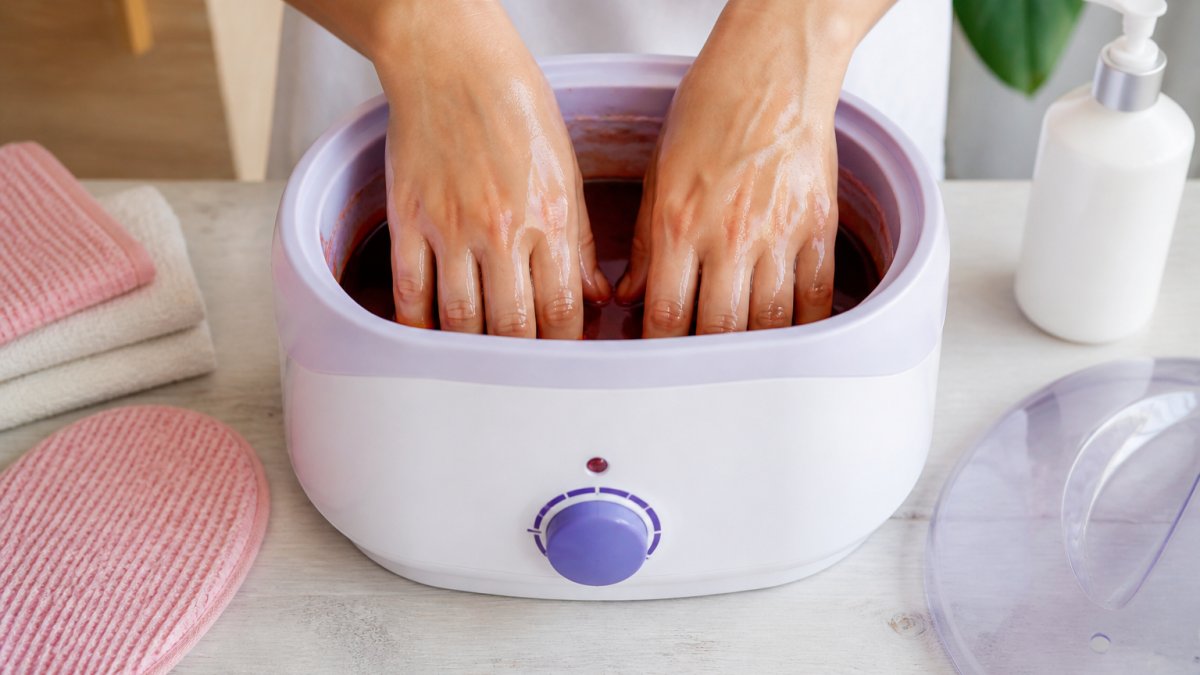
Step-by-step process for using paraffin wax baths for hand arthritis:
-
Prepare your hands, Wash your hands with warm water and pat them dry. Remove any rings or jewelry that might trap heat or get in the way.
-
Check the wax temperature, Allow the unit to warm up according to manufacturer instructions, typically 15-20 minutes. The wax should feel comfortably warm, not hot to the touch. Test it on your inner wrist first.
-
Dip your hands slowly, Immerse your hands into the wax gradually, starting with your fingers. Move slowly so the wax can coat all surfaces evenly, including between your fingers and around your knuckles.
-
Build up layers, Remove your hands and let the wax cool for 30-60 seconds. Dip again and repeat this process 3-5 times to create multiple protective layers. Each layer adds insulation and extends the warmth.
-
Wrap for containment, Once you have enough layers, wrap your hands in plastic wrap or a plastic bag to seal in the heat. This keeps the wax from drying out too quickly and maintains consistent temperature.
-
Keep hands elevated, Rest your hands on a towel or pillow while the wax works. Elevation helps reduce any swelling and makes the experience more comfortable.
-
Remove the wax, After 15-20 minutes, unwrap your hands and gently peel off the wax coating. Start at your wrists and work toward your fingertips.
The entire process takes about 30-40 minutes from start to finish. Most people find the experience relaxing, and the warmth continues to benefit your joints for several hours afterward.
Paraffin Wax Bath Duration and Treatment Frequency
The length of time you keep paraffin wax on your hands matters for getting the best results. Most therapists recommend keeping the wax coating on for 15-20 minutes per session. This timeframe allows the heat to penetrate your joints and muscles without overdoing it.
Starting with 15 minutes is a safe approach if you're new to paraffin wax therapy. You can increase to 20 minutes once you're comfortable with the process and your skin adjusts to the heat. Sessions longer than 20 minutes don't provide additional benefit and may increase the risk of skin irritation.
Frequency recommendations for using paraffin wax baths for hand arthritis:
- Daily use, Best for acute pain or during flare-ups of rheumatoid arthritis
- 3-5 times per week, Ideal for regular pain management and stiffness relief
- 2-3 times per week, Effective maintenance schedule for ongoing arthritis symptoms
- As needed, Occasional use when pain flares or stiffness is worst
Many people find that consistent use produces better results than sporadic sessions. A routine schedule helps your body adapt to the treatment and allows you to notice patterns in your pain relief. Keeping a simple log of when you use paraffin wax and how you feel afterward helps you identify the schedule that works best.
Paraffin Wax Bath Safety Precautions and Burn Prevention
Safety is essential when using paraffin wax because the heat can cause burns if the temperature is too high. Understanding proper temperature control and precautions prevents injury and ensures you get the full benefit of treatment.
Temperature guidelines for safe paraffin wax use:
The wax should feel warm and comfortable on your wrist, never hot. If you pull your hand away quickly or feel any sharp heat sensation, the temperature is too high.
Always test the wax on your inner wrist or forearm before dipping your hands. Your wrist skin is sensitive like your hand skin, so if it feels safe there, it's safe for your hands. Wait a few seconds after testing to make sure the temperature stays consistent.
Key safety rules for paraffin wax baths:
- Never dip hands that are wet or damp
- Don't use paraffin wax if you have open cuts, sores, or broken skin
- Avoid use if you have numbness in your hands (you won't feel dangerous heat)
- Don't leave wax on longer than 20 minutes
- Remove wax gently to avoid pulling skin
- Stop immediately if you experience burning, redness, or excessive heat
If you have diabetes, neuropathy, or reduced sensation in your hands, talk with your doctor before using paraffin wax. These conditions affect your ability to feel dangerous temperatures, which increases burn risk.
Keep your paraffin unit clean and follow manufacturer maintenance instructions. Dirty wax can harbor bacteria and cause skin infections. Replace wax regularly according to package directions.
Benefits of Paraffin Wax for Hands and Joint Mobility
Regular paraffin wax therapy provides several benefits beyond immediate pain relief. The cumulative effects of consistent moist heat treatment can improve your hand function and quality of life.
Immediate benefits you'll notice:
- Pain reduction during and for hours after treatment
- Decreased stiffness in fingers and hand joints
- Improved flexibility and easier movement
- Relaxed muscles around affected joints
- Soothing comfort during flare-ups
Long-term benefits from consistent use:
Regular paraffin wax sessions help maintain and improve your range of motion over time. When you can move your hands more easily, daily activities become less painful. Tasks like opening jars, typing, writing, or gripping objects become more manageable.
Many people find that paraffin wax therapy reduces their reliance on pain medication for certain times of day. The heat provides natural relief without the side effects of medication, making it an excellent complement to other arthritis management strategies. Integrating this thermal treatment into a broader routine often reveals how effective a multifaceted approach to natural joint pain relief can be for long-term comfort.
Using paraffin wax baths for hand arthritis also creates a dedicated self-care routine. The 30-40 minute session gives you time to rest and focus on your healing, which has psychological benefits beyond the physical warmth.
When to Seek Clinical Advice and Contraindications
Paraffin wax therapy is safe for most people, but certain conditions require medical guidance before starting treatment. Understanding when to consult your doctor ensures you use paraffin wax appropriately.
Avoid paraffin wax if you have:
- Open wounds, cuts, or sores on your hands
- Severe burns or skin conditions like eczema flare-ups
- Reduced sensation or numbness in your hands
- Diabetes with nerve damage (neuropathy)
- Circulatory problems in your hands
- Acute inflammation or swelling from recent injury
Talk with your doctor before using paraffin wax if you:
- Take blood thinners or have bleeding disorders
- Have heart disease or high blood pressure
- Are pregnant and experiencing hand pain
- Have rheumatoid arthritis that's actively flaring
- Recently had hand surgery or injury
Paraffin wax provides temporary relief, not a cure for arthritis. If your pain worsens despite regular treatment, increases suddenly, or spreads to other joints, contact your healthcare provider.
Some people experience increased swelling after paraffin wax use. If this happens, reduce the frequency of sessions or the duration of each session.
Remember that paraffin wax works best as part of a comprehensive arthritis management plan that may include medication, physical therapy, exercise, and other treatments recommended by your healthcare team.
Paraffin wax baths offer practical, accessible relief for hand arthritis pain and stiffness.
If you're looking for additional ways to manage hand arthritis alongside paraffin wax therapy, consider exploring targeted compression solutions. Penguin Fingers offers specialized cold and hot compression therapy sleeves designed for hand and finger arthritis.
Frequently Asked Questions
How long should you keep your hands in a paraffin wax bath?
Most people keep their hands immersed for 2-3 minutes per dip, then wrap them in plastic and a towel for 10-15 minutes while the wax cools and hardens. The total treatment typically lasts 15-20 minutes. Start with shorter durations if you're new to paraffin therapy, and gradually increase as your skin adjusts. Always follow your home unit's instructions, as dwell times vary by equipment and wax temperature.
Is paraffin wax treatment good for arthritis?
Paraffin wax baths deliver moist heat that can reduce hand stiffness, improve circulation, and provide temporary pain relief for both osteoarthritis and rheumatoid arthritis. The warmth helps relax tight muscles around affected joints and increases flexibility. Many people find paraffin therapy most effective when combined with gentle hand exercises or physical therapy. Results vary by individual; some notice immediate relief, while others benefit most from regular, consistent use over several weeks.
Who should avoid paraffin wax hand baths?
Avoid paraffin wax if you have open wounds, severe skin conditions, or active infections on your hands. People with reduced sensation or circulation problems should consult a doctor first, as they may not detect unsafe temperatures. If you're pregnant, have diabetes affecting your hands, or have had recent hand surgery, speak with your healthcare provider before starting. Do not use if you're allergic to paraffin or have severe burns or blistering.
What is the best thing to soak in for arthritis?
Paraffin wax baths are among the most effective options for hand arthritis because they deliver consistent, penetrating moist heat while allowing easy layering and wrapping. Warm water soaks work but cool faster and don't provide the same therapeutic coating. Paraffin therapy is preferred by occupational and physical therapists because the wax adheres to skin, maintains warmth longer, and can be reused. For best results, combine paraffin treatments with gentle hand exercises and other pain management strategies recommended by your healthcare provider.


