

Table of Contents
- Why Consider Natural Alternatives to Migraine Medication for Daily Use
- Magnesium for Migraine Prevention: Dosage, Forms, and What to Expect
- Cold Therapy for Migraine Relief: How It Works and When to Use It
- Migraine Trigger Tracking: Your First Step to Fewer Headaches
- Herbal Remedies and Supplements: Feverfew, Butterbur, Riboflavin, and Coenzyme Q10
- Lifestyle Factors That Reduce Migraine Frequency: Hydration, Stress, and Sleep
- Building Your Daily Migraine Prevention Routine
- Conclusion: Finding What Works for You
- Frequently Asked Questions
Last Updated: September 17, 2026
Why Consider Natural Alternatives to Migraine Medication for Daily Use
Many people who get migraines regularly look for natural alternatives to migraine medication for daily use because they want fewer pills, fewer side effects, and more control. The key distinction most guides skip: some remedies are preventative, taken daily to reduce how often migraines strike, while others are acute tools you reach for once an attack starts.
Magnesium for Migraine Prevention: Dosage, Forms, and What to Expect
Magnesium for migraine prevention is one of the most widely discussed daily options. A common approach is 400-600 mg daily, but the right amount depends on your body and your doctor's guidance. Magnesium supports normal nerve and muscle function, which is why it comes up so often.
Which Form of Magnesium Works Best?
Magnesium oxide is cheap but poorly absorbed and often causes loose stools. Magnesium glycinate and citrate are gentler and better absorbed; glycinate is usually the easier first choice.
How Long Before You See Results?
Most practitioners suggest giving a daily magnesium routine two to three months before judging whether it's helping. Track your headaches during that window so you're judging results on data, not memory.
Cold Therapy for Migraine Relief: How It Works and When to Use It
Cold therapy for migraine relief is an acute tool, not a daily supplement, and it's the fastest-acting option here. Applying cold to the head and eyes slows nerve conduction and numbs pain signals. Many people find it also eases light sensitivity and throbbing.
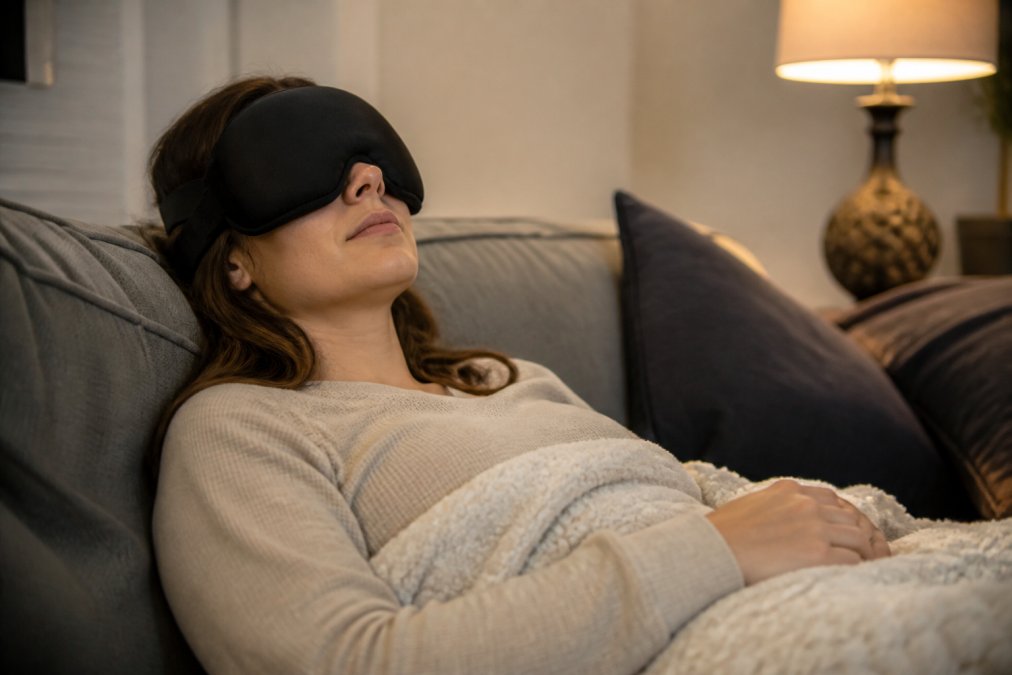
Choosing the Right Cold Therapy Tool
Loose ice packs slide around and need constant repositioning. A wearable cold compression cap stays put over the forehead, eyes, and temples, exactly where migraine pain concentrates. Look for a stretchy, form-fitting design you can keep in the freezer and slip on the moment an attack builds.

Migraine Trigger Tracking: Your First Step to Fewer Headaches
Migraine trigger tracking is the foundation of any prevention plan, and it costs nothing. A simple log kept for a few weeks often reveals patterns no supplement can fix on its own.
What to Track and How to Spot Patterns
Record these for every headache:
- Timing: date, time of onset, and duration
- Food and drink: meals, caffeine, alcohol, skipped meals
- Sleep: hours slept and quality the night before
- Stress: rough stress level that day
- Weather: big pressure or temperature changes
- Symptoms: aura, nausea, light sensitivity, location of pain
After a few weeks, look for repeat offenders. If headaches cluster after poor sleep or skipped meals, you've found a lever you can pull without medication.
| What You Track | Why It Matters | What to Do With It |
|---|---|---|
| Sleep hours | Poor sleep is a frequent trigger | Set a fixed bedtime |
| Meal timing | Skipped meals provoke attacks | Eat on a schedule |
| Caffeine | Both too much and withdrawal trigger | Keep intake steady |
| Stress level | Stress builds before an attack | Add daily wind-down time |
| Weather shifts | Pressure changes are common triggers | Prep cold therapy in advance |
Herbal Remedies and Supplements: Feverfew, Butterbur, Riboflavin, and Coenzyme Q10
Several supplements come up repeatedly in migraine prevention discussions, and each works differently. Feverfew and butterbur are traditional herbs; riboflavin (vitamin B2) and coenzyme Q10 are nutrients tied to how cells produce energy. All four are taken daily as prevention, not during an attack, and judged over weeks, not hours.
Riboflavin (Vitamin B2)
Riboflavin supports mitochondrial energy production; the migraine link is thought to involve energy deficits in brain cells during an attack. It has one of the stronger evidence bases here, with multiple clinical trials supporting a preventative effect.
- Common daily dose: 400 mg per day, often taken as a single dose or split across meals.
- Form: Standard riboflavin or riboflavin-5-phosphate; standard riboflavin is cheaper and widely studied.
- Time to judge: Give it at least two to three months.
- Side effects: Urine turns bright yellow, which is harmless. GI upset is uncommon but possible.
- Interactions: Generally well tolerated; check with your doctor if you take other medications.
Coenzyme Q10 (CoQ10)
CoQ10 is another mitochondrial cofactor; smaller trials suggest it may reduce migraine frequency, especially in people who also respond to riboflavin. It's often paired with riboflavin in daily routines.
- Common daily dose: 100 mg three times per day (300 mg total) is a frequently cited range; some people use 100-200 mg per day.
- Form: Ubiquinone is cheaper; ubiquinol is more absorbable and often better for older adults or those on statins.
- Time to judge: Two to three months.
- Side effects: Usually mild; occasional GI upset or insomnia if taken late in the day.
- Interactions: Can interact with blood thinners such as warfarin, reducing their effect. Talk to your doctor first.
Feverfew
Feverfew (Tanacetum parthenium) is a traditional herb with a modest but real evidence base for migraine prevention, thought to work partly by affecting inflammatory pathways and platelet activity.
- Common daily dose: Standardized extracts are often dosed to deliver about 0.2-0.6 mg of parthenolide per day, or roughly 50-150 mg of dried leaf. Follow the label on standardized products.
- Form: Standardized extract is preferred over raw leaf for consistency.
- Time to judge: Six to eight weeks.
- Side effects: Mouth ulcers, GI upset, and allergic reactions (especially in people allergic to ragweed, chrysanthemums, or related plants).
- Interactions: Can interact with blood thinners and antiplatelet drugs. Avoid during pregnancy and while breastfeeding.
Butterbur
Butterbur (Petasites hybridus) has some of the strongest clinical evidence among the herbs here, but also the most serious safety concern: raw butterbur contains pyrrolizidine alkaloids (PAs), which can damage the liver.
- Common daily dose: Standardized PA-free extracts are often dosed at 50-75 mg twice per day, but follow the specific product's labeling.
- Form: Only use products explicitly labeled "PA-free" or "certified PA-free." Never use raw or unlabeled butterbur.
- Time to judge: Four to eight weeks.
- Side effects: GI upset, drowsiness, and in rare cases liver irritation even with PA-free products.
- Interactions: Can interact with medications processed by the liver. Avoid during pregnancy and breastfeeding. Talk to your doctor before starting.
How to Prioritize
If you're starting from scratch, begin with one supplement, hold it steady for two to three months, and track your headache frequency before adding another. Riboflavin and CoQ10 are often tried first because they're well tolerated with reasonable evidence. Feverfew and butterbur are reasonable next steps, but require more caution around interactions and product quality.
Dietary supplement fact sheets and safety information
Lifestyle Factors That Reduce Migraine Frequency: Hydration, Stress, and Sleep
Hydration, stress management, and sleep are the three lifestyle levers in nearly every prevention conversation, and they're free. But "drink more water and relax" is not a plan. Here's a structured approach to each, with concrete targets you can run day to day.
Hydration: Steady Beats Chugging
Dehydration is a well-known migraine trigger, and so is the rebound effect of drinking a large volume after a dry stretch. Steady hydration matters more than total volume.
- Practical target: Aim for pale-yellow urine as your daily check. Most adults land somewhere around 6-8 cups of fluid per day from all sources, but needs vary with body size, activity, and climate.
- Technique: Keep a water bottle visible and sip through the day rather than gulping at meals. Add an electrolyte source if you sweat heavily or drink a lot of plain water.
- Watch for: Caffeine and alcohol both affect hydration status and are common triggers in their own right.
Sleep: Regularity Is the Lever
Too little sleep, too much sleep, and irregular schedules all provoke headaches. A fixed bedtime and wake time, even on weekends, is one of the simplest preventative strategies.
- Practical target: Same wake time every day, within about 30 minutes. Aim for 7-9 hours for most adults.
- Technique: A 30-minute wind-down before bed (dim lights, no screens, cool room) helps anchor the schedule.
- Watch for: Weekend "catch-up" sleep can trigger Monday headaches. Naps longer than 30 minutes can also provoke attacks in some people.
Stress: Build a Daily Baseline, Not a Rescue Plan
Stress builds before an attack, and the let-down after a stressful period is a classic migraine window. Relaxation techniques such as biofeedback and cognitive behavioral therapy have helped many people reduce how often migraines hit. The key is daily practice, not waiting until you feel tense.
- Biofeedback: A structured technique where you learn to influence heart rate, breathing, and muscle tension using feedback from a device or app. Often taught over several sessions; daily practice is what drives results.
- Cognitive behavioral therapy (CBT): A talk-based approach that targets the thoughts and behaviors that amplify stress and pain. Effective for many people with chronic migraine, often in combination with other treatments.
- Breathing: Slow, diaphragmatic breathing for 10 minutes a day is a low-cost entry point. A common pattern is inhaling for about 4 seconds and exhaling for about 6.
- Mindfulness and meditation: Short daily sessions, even 10 minutes, can lower baseline tension. Consistency matters more than length.
Evidence Grading: Where to Spend Your Effort
Not all lifestyle levers are equal in evidence strength:
- Stronger evidence: Sleep regularity, hydration, CBT, biofeedback.
- Moderate evidence: Mindfulness and meditation, structured relaxation.
- Weaker or mixed evidence: Dietary eliminations without a tracked trigger, most single-food avoidance.
This is why trigger tracking matters: it tells you which lever is actually yours to pull.
A Sample Daily Protocol
Here's a simple structure combining the three levers into a repeatable day. Adapt the times to your schedule.
- Morning: Wake at your fixed time. Full glass of water. Note sleep quality in your tracking log.
- Midday: Check hydration (pale-yellow urine). Eat a scheduled meal. Note any early warning signs.
- Afternoon: 10 minutes of slow breathing or mindfulness. Check caffeine intake against your usual baseline.
- Evening: 30-minute wind-down. Dim lights, no screens. Cold therapy tool ready in the freezer.
- Night: Consistent bedtime. Same wake time tomorrow.
Information on behavioral treatments for migraine
Building Your Daily Migraine Prevention Routine
A workable daily routine combines one or two preventative habits with an acute plan for when a migraine still breaks through:
- Morning: take your daily supplement with food and drink a full glass of water
- Midday: check hydration and eat a scheduled meal
- Afternoon: note any early warning signs in your tracking log
- Evening: ten minutes of relaxation or breathing
- Night: consistent bedtime, cold therapy tool ready in the freezer
Conclusion: Finding What Works for You
Migraines are stubborn, and no single approach works for everyone. Separate daily prevention from acute relief, track your triggers honestly, and give each option enough time to prove itself. When an attack breaks through, fast, targeted relief matters, and that's where a wearable cold compression cap earns its place in your routine.
Frequently Asked Questions
What can I take every day for migraines naturally?
Daily natural options include magnesium (400-600 mg), riboflavin (400 mg), and coenzyme Q10 (100-300 mg). Feverfew and butterbur are also used, though butterbur should be PA-free. Always check with your doctor before starting supplements, especially if you take other medications. These are not quick fixes; they work gradually over weeks to reduce frequency and intensity.
How does cold therapy help with chronic migraine management?
Cold therapy narrows blood vessels and slows nerve conduction, which can reduce pain and inflammation during a migraine. Applying a cold compress to the head, temples, or neck for 15-20 minutes may ease throbbing. Wearable cold therapy caps offer hands-free, targeted relief and can be used at the first sign of an attack.
What is the best way to track migraine triggers?
Keep a detailed diary noting what you ate, your sleep, stress levels, weather, and hormonal changes. Rate your headache intensity and duration. After a few weeks, look for patterns. Many people find common triggers like caffeine, alcohol, aged cheese, or skipped meals. Tracking helps you and your doctor identify personalized triggers and measure whether natural remedies are working.
Are there side effects to natural migraine remedies?
Most natural remedies have mild side effects. Magnesium can cause digestive upset; riboflavin may turn urine bright yellow. Feverfew can cause mouth ulcers, and butterbur (non-PA) may cause stomach upset. Always choose reputable brands and consult a healthcare provider, especially if pregnant, nursing, or on blood thinners.
Migraine prevention takes patience, but acute relief shouldn't. Get started with Penguin Fingers and put fast, wearable cold compression therapy to work the next time a migraine hits.


