

Table of Contents
- What Are Reusable Hot and Cold Finger Wraps?
- How Long to Ice a Finger Injury for Best Results
- Treating Trigger Finger with Heat and Ice Therapy
- Finger Ice Pack for Arthritis: Targeted Cold Compression Relief
- Key Features to Look For in Finger Wraps
- How to Use Reusable Hot and Cold Finger Wraps Safely
- Caring for Your Finger Wraps: Cleaning and Maintenance
- Conclusion
Last Updated: August 13, 2026
What Are Reusable Hot and Cold Finger Wraps?
Reusable hot and cold finger wraps are therapeutic sleeves that deliver targeted temperature therapy to individual fingers using gel-based thermal packs combined with supportive fabric. They conform to your finger's shape, providing consistent compression while maintaining therapeutic temperatures for extended periods.
Unlike single-use ice packs, these wraps are refrozen or reheated repeatedly, making them cost-effective for long-term pain management. At Penguin Fingers, we've engineered our finger wraps with dual-therapy capability, refrigerate them for cold compression or warm them for heat therapy, depending on your injury stage. Quality wraps maintain consistent temperature for 20-30 minutes of therapeutic benefit, whereas cheaper alternatives lose effectiveness within minutes. Proper graduated compression reduces swelling and inflammation while improving circulation to the affected area.

How Long to Ice a Finger Injury for Best Results
The optimal duration for cold therapy on a finger injury is 15 to 20 minutes per application, repeated every 2 to 3 hours during the acute phase (typically the first 48 to 72 hours). This timing reduces inflammation and numbs pain without risking ice burn or tissue damage.
Applying ice longer than 20 minutes can reverse vasoconstriction, actually increasing inflammation as the body rebounds from cold. During acute injury, consistency matters more than duration, applying cold therapy every 2 to 3 hours throughout the day delivers better results than one long session.
After 72 hours, transition gradually to less frequent applications. By day 4 or 5, reduce icing to 3 to 4 times daily, then taper further as swelling decreases. Reusable gel packs that maintain consistent cold temperature (typically 50-60°F) are more effective than ice directly against skin, which can drop below freezing and cause tissue damage.
Treating Trigger Finger with Heat and Ice Therapy
Trigger finger, where a finger gets stuck in a bent position, responds well to a combination approach using both heat and cold therapy at different stages. The condition develops when the tendon sheath becomes inflamed, restricting smooth movement.
Cold therapy works best during acute flare-ups when inflammation is actively building. Applying cold compression for 15-20 minutes reduces swelling in the tendon sheath, which causes the catching sensation. Heat therapy becomes valuable after initial inflammation subsides, increasing blood flow to the affected tendon and promoting healing.
The typical treatment sequence follows this pattern: ice to reduce acute inflammation, then transition to heat combined with physical therapy exercises that gently mobilize the tendon. Compression is equally important as temperature in trigger finger management, reducing swelling in the tendon sheath while supporting the joint during movement.

Finger Ice Pack for Arthritis: Targeted Cold Compression Relief
Arthritis in the fingers is chronic and progressive, requiring ongoing management rather than short-term injury recovery. Cold compression therapy addresses arthritis pain and swelling by reducing inflammation and providing topical pain relief through the numbing effect of cold.
For arthritis sufferers, regular, consistent cold therapy works better than waiting for pain to become severe. Many people find that applying a cold finger wrap for 15-20 minutes each morning reduces stiffness and swelling for hours. The compression component is particularly valuable for arthritic joints, reducing swelling while improving circulation to flush inflammatory substances away from the joint.
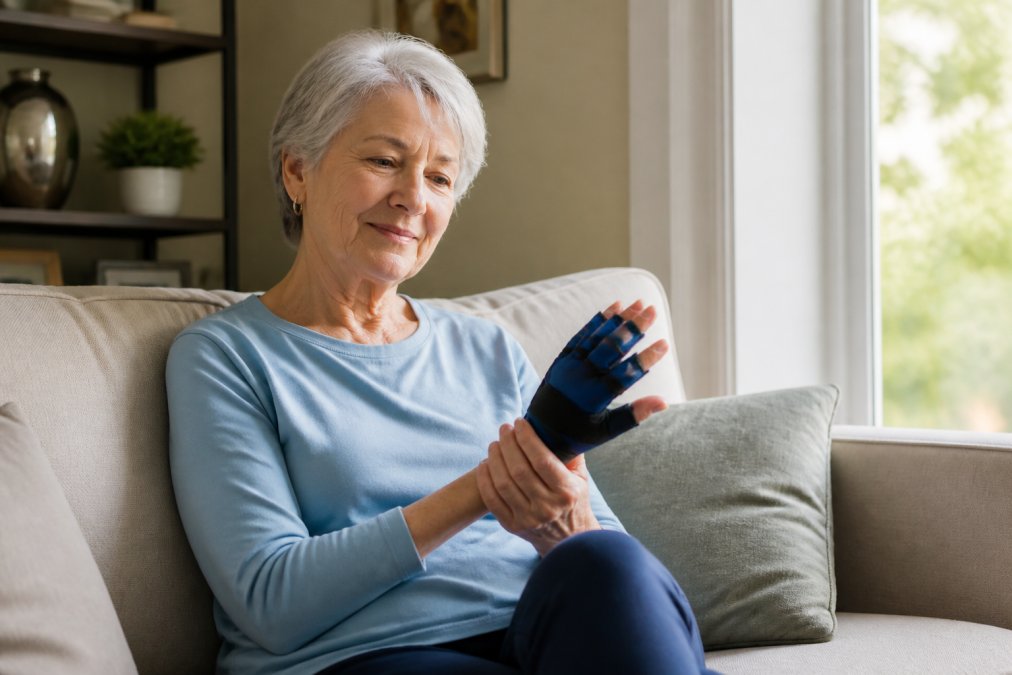
Unlike acute injuries where you stop icing once healing is complete, arthritis management often requires indefinite cold therapy use. Penguin Fingers' finger ice packs are specifically designed for chronic use, with reusable gel packs that can be refrozen dozens of times without degradation and non-toxic gel formulation safe for frequent skin contact.
Key Features to Look For in Finger Wraps
When selecting reusable hot and cold finger wraps, several features determine whether the product will actually reduce your pain and support your recovery.
Thermal Retention and Consistency
Quality finger wraps maintain their temperature for at least 20-30 minutes of therapeutic benefit. Look for wraps using medical-grade gel packs rather than water-based solutions, which lose temperature quickly and unevenly. The wrap should distribute temperature uniformly across your finger rather than creating hot or cold spots.
Compression Quality and Fit
Effective compression is graduated, meaning it's tighter at the fingertip and gradually loosens toward the hand. This graduated approach improves circulation while reducing swelling. The wrap should be snug enough to provide therapeutic compression but not so tight that it restricts circulation, you should be able to fit one finger under the wrap at the base of your finger.
Material Safety and Durability
Materials touching your skin should be non-toxic and hypoallergenic. Latex-free construction is essential for people with latex sensitivity. The fabric should be breathable enough for extended wear without causing skin irritation. Durability determines whether your investment lasts months or years, look for sealed gel packs that prevent leaks and fabric that maintains compression after dozens of wash cycles.
Versatility Between Hot and Cold Therapy
The ability to use the same wrap for both hot and cold therapy adds significant value, eliminating the need to purchase separate products.
Ease of Use and Maintenance
A wrap that's complicated to apply will be abandoned. Look for designs with simple fastening systems like velcro straps or elastic bands that secure easily without requiring assistance.
| Feature | Why It Matters | What to Look For |
|---|---|---|
| Thermal Retention | Maintains therapeutic temperature throughout the session | Gel packs that stay cold/warm for 20-30 minutes |
| Graduated Compression | Reduces swelling while improving circulation | Snug fit at fingertip, gradually loosening toward hand |
| Material Safety | Prevents skin irritation during extended wear | Non-toxic, latex-free, breathable fabric |
| Durability | Ensures long-term cost-effectiveness | Sealed gel packs, reinforced seams, washable fabric |
| Hot/Cold Versatility | Allows both therapy types with one product | Freezer-safe and microwave-safe gel packs |
| Adjustable Fit | Accommodates different finger sizes | Velcro straps or multiple size options |
How to Use Reusable Hot and Cold Finger Wraps Safely
Proper application technique maximizes therapeutic benefit while minimizing the risk of adverse effects from temperature therapy.
Preparation and Temperature Setting
During acute injury phases (first 48-72 hours), cold therapy is typically the priority. For chronic conditions like arthritis, cold therapy often works better for inflammation while heat helps with stiffness. Refrigerate cold packs for at least 2-3 hours before use, or overnight for maximum cold retention. For heat therapy, follow the wrap manufacturer's instructions, some are microwave-safe while others use hot water immersion.
Application Technique
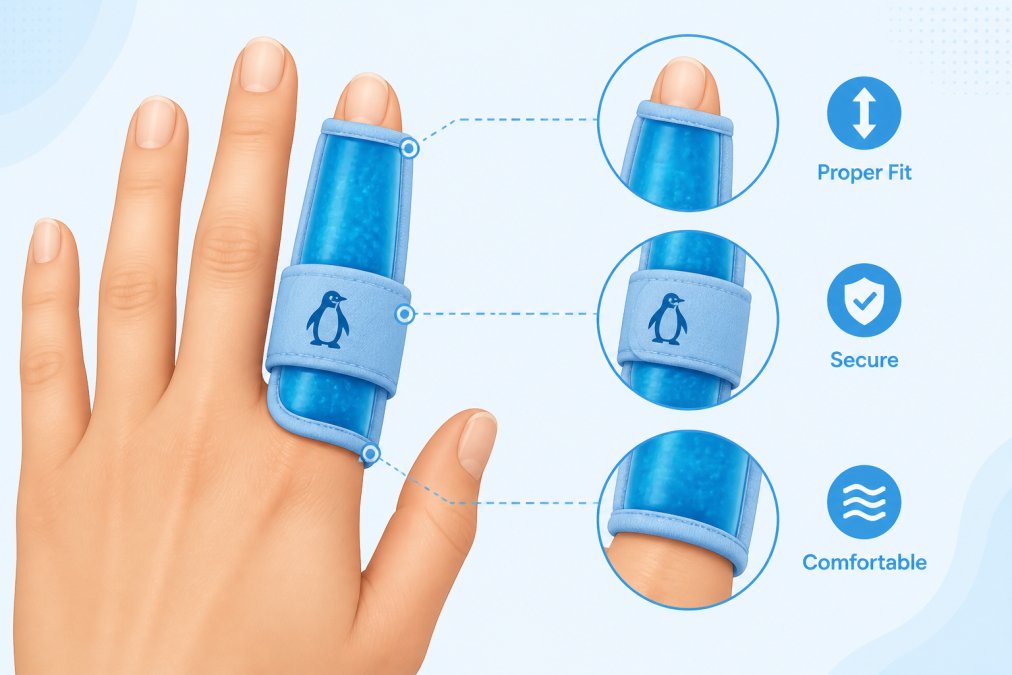
Apply the wrap directly to clean, dry skin. Position the wrap so the gel pack sits directly over the affected area, the joint itself, not above or below it. Secure the wrap snugly but not tightly. You should be able to slip one finger under the strap at the base of your finger.
Duration and Frequency
Apply cold therapy for 15-20 minutes per session, repeating every 2 to 3 hours during acute phases. Heat therapy typically follows the same 15-20 minute guideline. Never exceed 20-30 minutes of continuous temperature therapy without removing the wrap and allowing your skin to return to normal temperature.
Safety Precautions
Never apply cold or heat therapy directly to broken skin or open wounds. If you have numbness or tingling in your fingers from neuropathy, be especially cautious with cold therapy. Remove the wrap immediately if you experience sharp pain, increased swelling, or skin discoloration. If you're taking blood thinners or have circulation problems, consult your healthcare provider before starting regular cold or heat therapy.
Caring for Your Finger Wraps: Cleaning and Maintenance
Proper maintenance extends the lifespan of your reusable finger wraps and ensures they remain hygienic for regular use.
Regular Cleaning Protocol
Hand wash your finger wrap after every 2-3 uses, or immediately after sweaty activity. Use warm water and mild soap, avoiding harsh detergents that can degrade the fabric or damage the gel packs. Rinse thoroughly with clean water until all soap residue is gone. Air dry your wraps completely before storing them, damp wraps develop mold and mildew during storage.
Gel Pack Care
Inspect your gel packs regularly for signs of leakage or degradation. A small bulge or soft spot indicates the seal may be compromised. Reusable gel packs typically maintain effectiveness for 200-300 freeze-thaw cycles, roughly 1-2 years of daily use depending on frequency.
Storage Best Practices
Store your clean, completely dry finger wraps in a cool, dry location away from direct sunlight. UV exposure degrades both fabric and gel formulations. If not using your wraps regularly, store the gel packs in the refrigerator or freezer rather than at room temperature.
Replacing Components
Most quality finger wraps allow you to replace individual components rather than discarding the entire wrap. Penguin Fingers' finger wraps are designed with this longevity in mind, allowing easy component replacement so you're not forced to discard a perfectly good wrap when one element wears out.
Reusable hot and cold finger wraps address a genuine need for accessible, effective pain management in people dealing with arthritis, sports injuries, and chronic joint conditions. When you select a wrap with proper thermal retention, graduated compression, and durable construction, like Penguin Fingers' Cold Compression Gel Packs for Fingers and Toes at just $14.95, you're investing in a tool that delivers consistent relief without ongoing costs or waste. Start with cold therapy for acute inflammation, transition to heat as healing progresses, and maintain a regular schedule for chronic conditions. The key to success is consistency: daily, properly-timed applications provide better results than occasional intense use. Get started with Penguin Fingers and experience how targeted compression therapy can restore function and reduce pain in your hands.
Frequently Asked Questions
How do you use a finger ice pack for arthritis?
Apply your reusable finger ice pack directly to the affected joint for 15-20 minutes at a time. Wrap it snugly but not so tight that it cuts off circulation. You can use it multiple times daily during flare-ups. For best results with arthritis, combine cold therapy with gentle movement and compression support. Always place a thin cloth between the pack and bare skin to prevent ice burn. Gel packs like Penguin Fingers Cold Compression Gel Packs for Fingers and Toes are designed specifically for this purpose and conform to your finger shape for comfortable, targeted relief.
How long should you leave a cold pack on your finger?
Apply cold therapy for 15-20 minutes per session. Never exceed 20 minutes continuously, as prolonged cold exposure can damage skin and tissue. Wait at least 1-2 hours between applications to allow your finger to return to normal temperature. For acute injuries, you can repeat this cycle every few hours throughout the day. If you're using your wrap during work or activity, remove it periodically to check skin color and sensation. Most people find 3-4 sessions daily effective for managing swelling and pain.
Can reusable hot and cold finger wraps help with trigger finger?
Yes, both heat and cold therapy can relieve trigger finger symptoms. Cold packs reduce inflammation and numb pain during acute flare-ups, while heat therapy improves circulation and loosens stiffness between uses. Many people alternate between the two: ice for 15-20 minutes to reduce swelling, then heat for 10-15 minutes to restore mobility. Compression wraps add extra support by stabilizing the tendon and reducing repetitive strain. For best results, combine therapy with rest and gentle stretching exercises recommended by your healthcare provider.
Are reusable finger gel packs safe for sensitive skin?
Most quality reusable gel packs are latex-free and non-toxic, making them safe for sensitive skin. Always place a thin barrier like a cloth or sock between the pack and bare skin to prevent direct contact. This also prevents ice burn and allows you to use the pack for longer periods comfortably. If you have very sensitive skin or dermatitis, test the wrap on a small area first. Penguin Fingers products are designed with skin safety in mind and work well for users with sensitivities. If irritation occurs, discontinue use and consult your doctor.
What makes reusable hot and cold finger wraps better than regular ice packs?
Reusable finger wraps conform to your finger's unique shape, providing targeted compression and thermal therapy exactly where you need it. They stay in place during daily activities, unlike loose ice packs that shift and fall off. Form-fit wraps distribute pressure evenly to reduce swelling and support joint stability. Most are microwaveable for heat therapy and freezer-safe for cold therapy, offering dual functionality in one product. They're also more economical and environmentally friendly than disposable ice packs, and they're designed for long-term use with proper maintenance.
This article was written using GrandRanker


