

Table of Contents
- Why Daily Habits Matter More Than You Think for Arthritis Pain
- The Benefits of Cold Compression Therapy for Aching Joints
- How to Reduce Joint Swelling at Home with Simple Tools
- Targeted Exercises for Arthritis Pain Management
- Medication, Supplements, and What Your Doctor Can Add
- The Overlooked Factors: Sleep, Stress, and Posture
- Building Your Personal Arthritis Pain Management Plan
- Frequently Asked Questions
Last Updated: September 6, 2026
Why Daily Habits Matter More Than You Think for Arthritis Pain
Living with arthritis means managing a condition that shifts from day to day. The most impactful relief rarely comes from a single miracle treatment, but from the small, consistent choices you make every morning, at your desk, and before bed.
Arthritis pain is driven by chronic inflammation and the gradual breakdown of cartilage that cushions your joints. While medication plays a role, your daily routine determines how much stiffness and swelling you actually feel. The most successful plans combine smart movement, targeted temperature therapy, and attention to factors like sleep and posture.
Below, we'll walk through specific strategies that reduce joint stiffness, protect your range of motion, and help you move through your day with less discomfort.
The Benefits of Cold Compression Therapy for Aching Joints
Cold compression therapy is one of the most effective immediate responses to a painful flare-up. The cold numbs the area and slows blood flow to reduce swelling, while the compression provides structural support that limits painful movement.
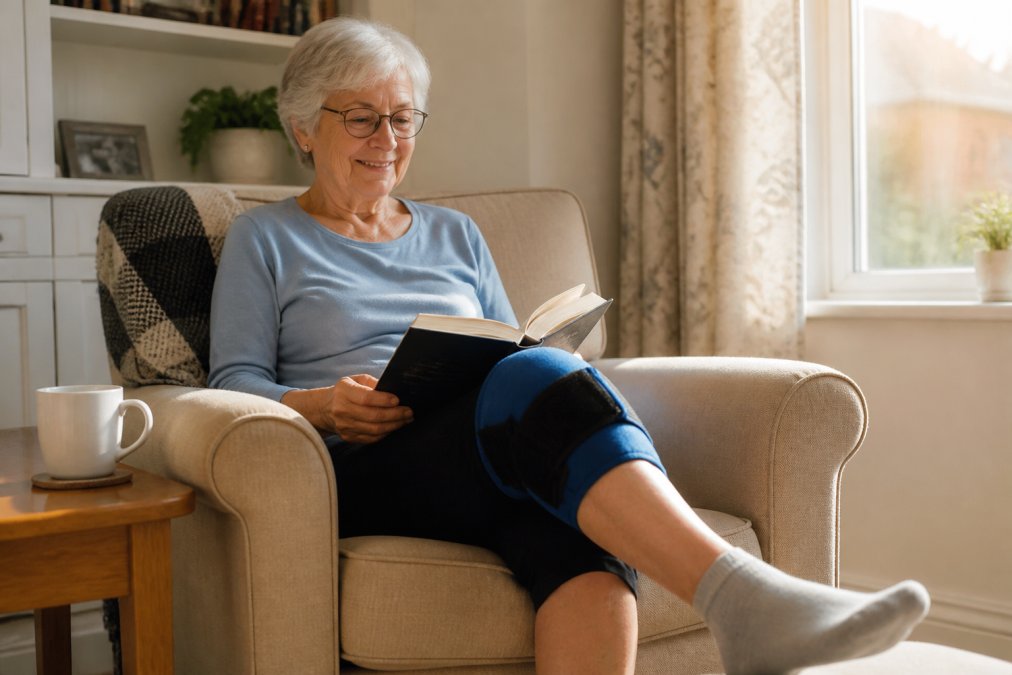
Unlike a stiff ice pack, wearable cold compression sleeves conform to your body and allow you to move freely while you get relief, making them ideal for treating fingers, wrists, elbows, and knees. For acute pain or flare-ups, apply cold therapy for 15 to 20 minutes at a time (the CDC).

When to Use Cold vs. Heat Therapy
The general rule is simple: cold for acute pain and swelling, heat for stiffness and chronic aches. If your joint is hot, red, or swollen after activity, reach for a cold compress. If you're dealing with morning stiffness or muscle tension, a warm compress can increase blood flow and relax the area.
Many people find that alternating between the two works best. A warm shower in the morning loosens stiff joints, while a cold compression session in the evening calms the day's accumulated inflammation. Products that offer dual hot and cold therapy options give you the flexibility to address both needs with a single product.
How to Reduce Joint Swelling at Home with Simple Tools
You don't need a clinic to manage acute swelling. Most of the tools you need are already in your home.
A common way to reduce joint swelling at home is the RICE method: Rest, Ice, Compression, and Elevation. For a swollen wrist or finger, rest the joint, apply a cold pack for 15 minutes, wrap it with a compression sleeve, and keep it elevated above heart level when possible.
A common mistake is applying ice directly to the skin, which can cause frostbite or tissue damage (peer-reviewed research). Always use a fabric barrier like a sleeve or towel. Another mistake is wearing compression too tightly, which can restrict circulation; a good sleeve should feel snug but not leave deep marks on your skin.
Targeted Exercises for Arthritis Pain Management
Exercise is the last thing you may feel like doing when your joints ache, but it is an important factor in preserving joint health. Movement keeps synovial fluid circulating, which lubricates the joints and nourishes the cartilage. The key is moving with intention through a structured routine that respects your current pain level while gradually building capacity.
Range-of-Motion Drills for Specific Joints
Range-of-motion exercises are your first line of defense against stiffness. The goal is to move each joint through its full available arc without forcing past the point of pain. For finger arthritis, perform these three drills twice daily:
- Finger walk: Place your hand flat on a table, then slowly walk your index finger toward your thumb, one segment at a time. Hold for 3 seconds, then return. Repeat with each finger.
- Fist-and-flat sequence: Gently curl your fingers into a loose fist, hold for 5 seconds, then slowly extend them fully flat against the table. Repeat 10 times.
- Thumb opposition: Touch your thumb tip to the tip of each finger, one at a time, forming an "O" shape. Go slowly and pause at each contact point.
For wrist arthritis, a typical routine includes:
- Flexion/extension: With your forearm supported on a table and your hand hanging off the edge, palm down, slowly bend your wrist upward as far as comfortable, hold for 3 seconds, then lower it. Flip your hand palm up and repeat the motion. Do 10 repetitions in each direction.
- Radial/ulnar deviation: Keeping your palm flat on the table, slide your hand side to side, moving your wrist without lifting your fingers. Do 10 repetitions each way.
For knee and hip arthritis, a common clinical recommendation is the quadriceps set: sit with your leg extended, tighten the muscle on the front of your thigh, and press the back of your knee down toward the floor. Hold for 10 seconds, relax, and repeat 10 to 15 times. This builds the muscle that stabilizes the knee without bending the joint.
Strength Training Within Pain Limits
Strength work protects joints by building the muscles that absorb shock and stabilize movement. The rule most physical therapists use is the 2-out-of-10 pain rule: if your pain rises above 2 on a 0-to-10 scale during an exercise, you are doing too much (peer-reviewed research). Reduce the resistance, range of motion, or repetitions.
For hand and wrist strength, therapeutic putty (available at most drugstores) offers graded resistance. Squeeze it into a ball for grip strength, pinch it between fingertips and thumb for precision grip, and stretch it like a rubber band for extensor strength. Start with 5 minutes per session and progress as tolerated.
For lower-body strength, seated leg lifts and wall sits are joint-friendly options. A wall sit, sliding your back down a wall until your knees are at a 45-degree angle, holding for 10 to 30 seconds, builds quadriceps strength without the compressive forces of a full squat. For leg lifts, 3 sets of 10 repetitions performed every other day can be a starting point.
Low-Impact Activities That Protect Your Joints
When choosing aerobic activity, low-impact exercises are your best defense against cartilage degradation. Swimming and hydrotherapy are excellent because the buoyancy of water supports your body weight, removing stress from weight-bearing joints while providing natural resistance. Warm water (88°F to 92°F) relaxes muscles and increases blood flow, making movement easier.
Walking on flat surfaces, cycling on a stationary bike, and using an elliptical machine are also safe options. The key is activity pacing: start with short sessions of 10 to 15 minutes and gradually increase duration by no more than 10 percent per week. Pushing through severe pain during exercise is counterproductive.
The 2-Hour Pain Rule for Activity Progression
A practical guideline used in arthritis rehabilitation is the 2-hour pain rule: if your pain level returns to baseline within 2 hours after exercise, the activity level was appropriate. If pain persists longer or worsens overnight, reduce the intensity or duration next time.
Medication, Supplements, and What Your Doctor Can Add
Daily habits and physical therapy form the foundation of arthritis management, but for many people, they are not enough on their own. Understanding the full medication ladder, from over-the-counter options to prescription therapies, helps you have more productive conversations with your doctor.
Over-the-Counter Options: Know What You're Taking
Over-the-counter non-steroidal anti-inflammatory drugs (NSAIDs) like ibuprofen (Advil, Motrin) and naproxen (Aleve) are the most common first-line choices. They work by blocking cyclooxygenase (COX) enzymes, which reduces the production of prostaglandins, the chemical messengers that drive inflammation and pain signaling. This is why NSAIDs address both pain and swelling, unlike acetaminophen (Tylenol), which only affects pain perception and does nothing for inflammation. cold plunge therapy.
Dosing matters more than most people realize. For ibuprofen, the standard anti-inflammatory dose is 200 to 400 mg every 4 to 6 hours, with a maximum of 1,200 mg per day for self-directed use. Naproxen is typically 220 mg every 8 to 12 hours, with a maximum of 660 mg per day. Taking these with food reduces the risk of stomach irritation.
Topical Treatments: A Targeted Alternative
Topical NSAIDs like diclofenac gel (Voltaren) are now available over the counter and offer a meaningful advantage: they deliver the anti-inflammatory drug directly to the affected joint with minimal systemic absorption, meaning fewer stomach and cardiovascular risks than oral NSAIDs. Clinical guidelines from the American College of Rheumatology conditionally recommend them for patients with knee or hand osteoarthritis, particularly for those over 75 or at higher risk of systemic side effects.
Capsaicin cream, derived from chili peppers, works by depleting substance P, a neurotransmitter involved in pain signaling. It takes about 2 weeks of consistent use (3 to 4 times daily) to see full benefit. Expect a warming or burning sensation during the first week; this fades as the nerve endings adapt.
The Prescription Ladder: What Your Doctor May Offer
When over-the-counter options fall short, an orthopedic consultation can open the door to more effective treatments. The stepwise approach typically looks like this:
- Prescription-strength NSAIDs, Higher doses of drugs like meloxicam or celecoxib, which are designed for chronic use with regular monitoring.
- Corticosteroid injections, A direct injection of a steroid like triamcinolone into the affected joint. These provide rapid, powerful anti-inflammatory effects that can last from several weeks to a few months. Most doctors limit injections to 3 to 4 per year in a single joint, as more frequent use can damage cartilage.
- Viscosupplementation (hyaluronic acid injections), A gel-like substance injected into the knee joint to supplement the natural synovial fluid that has thinned. Evidence on effectiveness is mixed, but some patients experience 6 to 12 months of improved lubrication and reduced pain.
- Disease-modifying antirheumatic drugs (DMARDs), For inflammatory forms of arthritis like rheumatoid arthritis, drugs such as methotrexate, hydroxychloroquine, or biologic agents like adalimumab (Humira) slow or halt the underlying autoimmune process rather than just treating symptoms.
Physical therapy is another prescription-level intervention worth requesting. A physical therapist can design a personalized exercise program, provide manual therapy to mobilize stiff joints, and teach you joint protection techniques that reduce daily strain.
Supplements: What the Evidence Actually Says
Nutritional supplements are a popular addition to arthritis care, though the evidence is mixed. Glucosamine and chondroitin are widely used; the largest clinical trial, the GAIT study funded by the National Institutes of Health, found that the combination provided modest pain relief for a subset of people with moderate-to-severe knee osteoarthritis, but not for the overall group. If you try them, most practitioners suggest a 3-month trial, if you don't notice meaningful improvement by then, they're unlikely to help.
Omega-3 fatty acids from fish oil have more consistent evidence for reducing inflammation, particularly for rheumatoid arthritis. A typical therapeutic dose is 2 to 3 grams per day of combined EPA and DHA. Look for a supplement that lists the EPA/DHA content on the label, not just the total fish oil amount.
Turmeric (curcumin) has shown anti-inflammatory properties in several small studies, with doses of 500 to 1,000 mg of curcumin with piperine (black pepper extract) being common. The piperine increases absorption significantly.
The Overlooked Factors: Sleep, Stress, and Posture
Here is where most arthritis guides fall short. They cover medication and exercise, then stop. But the three factors that most influence your daily pain levels often happen when you are not thinking about your joints at all.
Sleep hygiene matters because your body repairs tissue and regulates inflammation while you sleep. Poor sleep is linked to increased pain sensitivity and higher levels of inflammatory markers. Aim for 7 to 9 hours of quality sleep, use a supportive mattress, and avoid screens for an hour before bed. If hand or wrist pain wakes you, a wrist splint worn at night can keep the joint in a neutral position.
Stress management is equally critical. Chronic stress keeps cortisol and other stress hormones elevated, which fuels systemic inflammation and amplifies pain perception. Mindfulness, deep breathing, and gentle stretching are practical ways to lower stress. Addressing anxiety and depression can significantly improve your pain management strategies.
Posture correction prevents unnecessary strain on your joints, particularly in the neck, shoulders, and wrists. Poor posture while typing or using a phone places abnormal pressure on joints and can trigger symptom flare-ups.
Workplace Ergonomics and Social Support
If you work at a computer, ergonomic modifications are non-negotiable. Position your keyboard so your wrists are straight, use a chair that supports your lower back, and keep your monitor at eye level. Set a timer to stand and stretch every 30 to 60 minutes to prevent stiffness.
Social support and community resources also play a real role in pain management. Connecting with others who understand your experience reduces the isolation that chronic pain often brings. Support groups, whether in person or online, provide practical tips and emotional encouragement.
Building Your Personal Arthritis Pain Management Plan
An effective approach combines all of these strategies into a consistent routine. Use this framework to structure your day and respond to flare-ups before they become debilitating.
| Time of Day | Action | Duration | Purpose |
|---|---|---|---|
| Morning | Warm shower or heat therapy | 10 minutes | Loosen stiff joints, improve range of motion |
| Midday | Low-impact exercise (walking, swimming) | 15-30 minutes | Lubricate joints, strengthen supporting muscles |
| Work Hours | Posture checks and micro-breaks | 1 minute every hour | Reduce joint strain, prevent stiffness |
| Evening | Cold compression therapy on painful joints | 15-20 minutes | Reduce swelling, calm inflammation |
| Night | Splinting (if needed) and sleep hygiene | 7-9 hours | Support joints, promote tissue repair |
Consistency is often more beneficial than intensity. A 10-minute walk every day can be more effective than an hour-long workout once a week. The same applies to cold therapy: regular short sessions prevent swelling from building, while occasional treatment does less to stop flare-ups.

Start by picking one or two strategies from this list and applying them daily for two weeks. Track which ones reduce your morning stiffness and which ones help you through the afternoon. Then add the next layer. Over time, you will build a personalized plan that addresses your specific pain patterns.
For targeted flare-ups in your fingers, wrists, or knees, wearable cold compression therapy offers a convenient way to get relief without interrupting your day. The Penguin Fingers Wrist Cold Compression Pack and the Knee Cold Compression Therapy Sleeve are designed to stay in place while you move, so you can reduce joint swelling and get back to living your life.

Managing arthritis pain is a daily practice, not a one-time fix. The challenge is staying consistent with the habits that work, even on days when motivation is low and joints feel stiff. Penguin Fingers supports your routine with targeted cold compression therapy sleeves and wraps that fit naturally into your day, offering dual hot and cold options for fingers, toes, wrists, elbows, knees, and more. Get started with Penguin Fingers and take the first step toward regaining your mobility and comfort.
Frequently Asked Questions
What is the most effective non-drug treatment for arthritis pain?
Combining cold compression therapy with gentle movement can be an effective approach. Cold therapy numbs the area, reduces acute inflammation, and slows nerve signals, which eases pain signals. Regular low-impact exercise strengthens the muscles around joints, which reduces the load on the joint itself. Applying a cold compression sleeve for 15-20 minutes after activity helps manage symptom flare-ups. Consistency with these habits, rather than any single treatment, can contribute to better long-term results for joint health.
How does cold compression therapy help with joint inflammation?
Cold compression works in two distinct ways. The cold temperature constricts blood vessels, which limits fluid buildup that causes swelling. The compression provides structural support and prevents the area from pooling excess fluid. Together, they reduce joint stiffness and pain. This is particularly helpful after exercise or during a flare-up. The effects are temporary but provide a window of reduced pain where mobility exercises become easier. Using a wearable sleeve allows you to move around while receiving this therapy, unlike traditional ice packs.
How can I reduce joint swelling at home without medication?
Start with the RICE method: rest, ice, compression, and elevation. Apply a cold compression sleeve for 15-20 minutes several times daily, especially after activity. Keep the joint moving gently to prevent stiffness, but avoid high-impact tasks. Over-the-counter topical creams with menthol or capsaicin can also help. Reducing dietary sodium helps your body shed excess fluid. If swelling persists beyond a few days or is accompanied by redness and warmth, consult a doctor to rule out infection or gout.
What exercises are safe for arthritis pain management?
Low-impact activities are your best options. Walking, swimming, and cycling put minimal stress on weight-bearing joints. For finger and wrist arthritis, gentle range-of-motion exercises like making a fist, spreading fingers wide, and slow wrist circles help maintain mobility. Aim for 150 minutes of moderate activity weekly, broken into 10-15 minute sessions if needed. Stop any exercise that causes sharp pain. A physical therapist can design a program specific to your affected joints and fitness level.
When should I use hot versus cold therapy for joint pain?
Use cold therapy for acute pain, swelling, or after exercise. It numbs the area and reduces inflammation. Use heat therapy for chronic stiffness, especially in the morning before activity. Heat relaxes muscles and increases blood flow, which helps with joint flexibility. Never apply heat to an actively swollen or hot joint. Many people alternate: heat to loosen up, then cold after activity to prevent inflammation. A dual hot and cold compression sleeve simplifies this process.
What lifestyle changes can help slow down arthritis progression?
Weight management is important. Excess weight adds stress to weight-bearing joints, and fat tissue produces inflammatory chemicals. Losing even 5-10% of body weight can reduce pain. An anti-inflammatory diet rich in fish, nuts, and colorful vegetables helps. Quitting smoking and limiting alcohol also reduce systemic inflammation. Protecting your joints with proper posture and ergonomic modifications at work prevents additional strain. Early diagnosis and consistent treatment can help manage cartilage degradation.


