

Table of Contents
- Best Cold Compression for Sports Recovery: Quick Comparison
- How Cold Compression Therapy Helps Athletes Recover
- Best Athletic Ice Packs for Recovery by Body Part
- Choosing a Cold Compression Wrap for Knee and Joint Recovery
- Cold Therapy After Running: A Practical Recovery Routine
- How Long Should You Use Cold Compression?
- Safety, Contraindications, and What to Avoid
- Conclusion: Matching Cold Compression to Your Recovery Needs
- Frequently Asked Questions
Last Updated: October 4, 2026
Best Cold Compression for Sports Recovery: Quick Comparison
Cold compression therapy is the combined use of cooling and controlled pressure to reduce swelling, ease pain, and speed up recovery after training or injury. At Penguin Fingers, we build wearable cold compression sleeves and wraps for exactly this purpose.
The best cold compression for sports recovery depends on which body part you're treating and how much mobility you need during a session. A wrist pack suits carpal tunnel flare-ups and lifting strains.
Below, we break down how each option performs, when to use cold versus heat, and how long a session should last.
| Product | Price | Best For | Key Feature |
|---|---|---|---|
| Wrist Cold Compression Pack | $16.95 | Wrists, typing strain, lifting sprains | 360-degree cooling in 1-2 minutes |
| Elbow and Foot Therapy Sleeve | $22.95 | Elbows, ankles, feet, forearms, wrists | Dual hot and cold, stretchy neoprene |
| Finger and Toe Gel Packs | $14.95 | Fingers, toes, jammed digits | One size fits all, latex free |
How Cold Compression Therapy Helps Athletes Recover
Cold compression therapy pairs two distinct physiological effects in a single session. Cooling lowers tissue temperature, which slows nerve conduction velocity and reduces the pain signal your brain registers, while also causing local blood vessels to constrict so less fluid leaks into the surrounding tissue.

The combination matters because the two effects reinforce each other. Cold alone numbs pain and constricts vessels, but once the pack warms up, blood rushes back and swelling can rebound. Compression alone supports the joint and limits edema, but does nothing for the heat and throbbing that signal acute inflammation.
Cold-Only vs. Compression-Only vs. Combined Therapy
Most practitioners find the three approaches serve different recovery goals, and the choice is less about which is "best" and more about what you are trying to accomplish in a given window.
- Cold-only (ice packs, frozen gel packs, cold water immersion). Best for fresh, acute injuries in the first 24 to 48 hours and for numbing a specific painful point. Weaknesses: cooling fades as the pack warms, it does not control swelling on its own, and hard packs do not conform to curved joints like the ankle or wrist.
- Compression-only (sleeves, wraps, compression garments). Best for supporting a joint during activity, managing chronic swelling, and improving proprioception after a mild sprain. Weaknesses: no temperature reduction, so it will not blunt acute pain or the inflammatory response.
- Combined cold compression (wearable sleeves and wraps with gel inserts). Best for post-training recovery, post-competition soreness, and acute injuries where you want pain relief and swelling control in one step. Weaknesses: higher upfront cost than a plain ice pack, and cooling duration depends on the gel mass and insulation of the sleeve.
A simple way to think about it: cold-only is a pain tool, compression-only is a support tool, and combined therapy is a recovery tool.

What the Evidence Actually Supports
Cold therapy is one of the most studied recovery methods in sports medicine, and the honest summary is that results are mixed depending on the outcome you measure.
What this means practically is that cold compression is best framed as a comfort and symptom-management tool rather than a performance enhancer. According to Cleveland Clinic guidance on ice and heat therapy, cold is generally best for fresh injuries and inflammation, while heat suits stiff, tight muscles.
Best Athletic Ice Packs for Recovery by Body Part
The right athletic ice pack depends on the joint you're treating and how much movement you need during recovery. Here are our three picks, each designed for a specific area.
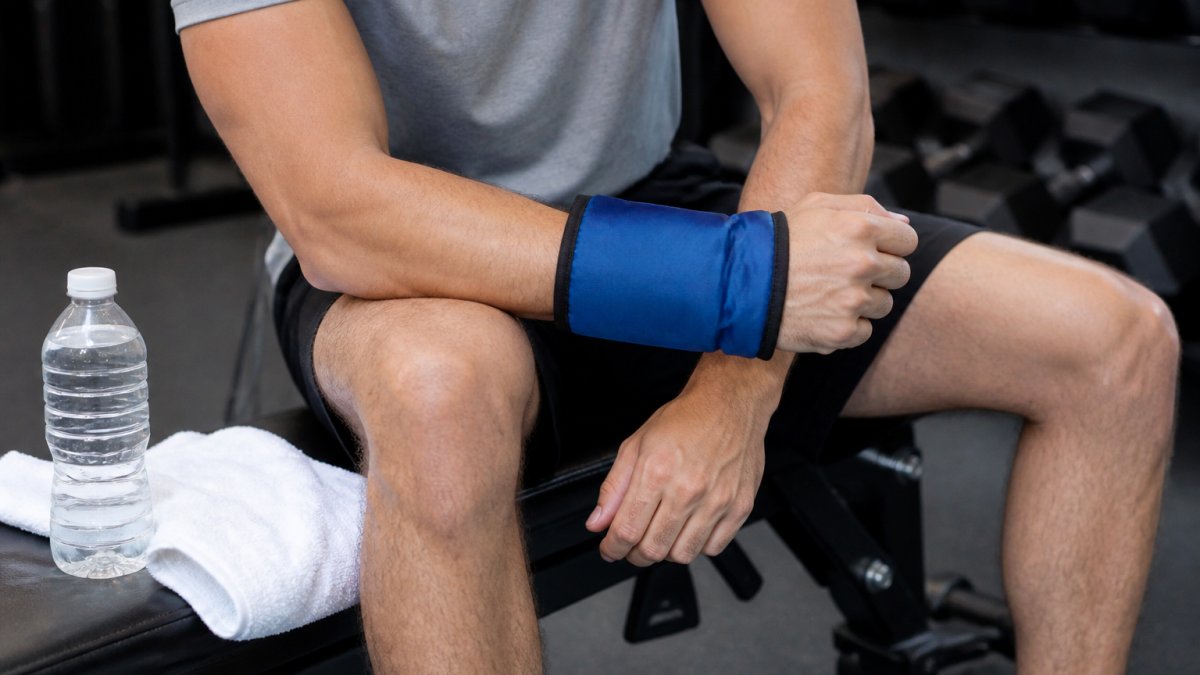
Penguin Fingers Wrist Cold Compression Pack
For aching wrists from typing, lifting, or climbing, this wrist ice pack delivers simultaneous cooling and compression in as fast as 1 to 2 minutes. It's free from PVC, BPA, phthalates, PFC, and dioxins, so daily use won't irritate skin. Priced at $16.95, it helps treat wrist pain without slowing down your day.
Penguin Fingers Elbow and Foot Cold Compression Therapy Sleeve
This sleeve wraps around elbows, ankles, feet, forearms, and wrists, making it the most versatile option in our lineup. The soft, stretchy neoprene and fast-freezing gel conform to your body for a more comfortable fit than hard ice packs. It works hot or cold: freeze it for ice-cold relief or warm it in the microwave. At $22.95, it can be used for multiple joints.
Penguin Fingers Cold Compression Gel Packs for Fingers and Toes
Jammed fingers, stubbed toes, and sore digits after climbing or grappling call for targeted cooling. This patent-pending sleeve is ultra-flexible, one size fits all, and latex free. You insert the finger or toe for immediate relief without freezing your whole hand or foot. It's $14.95.
Choosing a Cold Compression Wrap for Knee and Joint Recovery
A cold compression wrap for knee and joint recovery should stay in place, cover the full joint, and let you move without re-wrapping. Fit and mobility matter, but the right choice also depends on your sport, the joint, and how often you treat. Use the framework below to narrow the field before you buy.
A Five-Factor Selection Framework
1. Body area and joint shape. Flat gel packs work on the lower back and large quads but slide off the knee, ankle, and wrist.
2. Compression adjustability. Fixed-compression sleeves are simple but unforgiving, if the fit is wrong, you cannot correct it.
**3.
4. Mobility during use. If you want to ice while walking, stretching, or working at a desk, prioritize a low-profile sleeve that will not shift.
Penguin Fingers Wrist Cold Compression Pack →
**5.
Matching the Wrap to Your Sport and Injury
- Runners and cyclists (knees, ankles, feet). Prioritize a wrap that stays put during light movement and covers the full joint circumference. A knee or ankle sleeve with adjustable straps handles post-run swelling and Achilles or patellar soreness.
- Lifters and climbers (wrists, elbows, fingers). Prioritize slim, flexible packs that let you keep using your hand. A wrist pack and finger gel sleeves cover the areas most prone to strain.
- Court and field athletes (ankles, knees). Prioritize adjustable compression and a wrap that can be re-frozen quickly between sessions, since you may treat multiple times per day.
- Acute sprain vs. overuse soreness. For a fresh sprain, use higher compression and shorter, more frequent sessions. For chronic overuse soreness, use lighter compression and longer sessions, and pair cold with mobility work once the acute phase passes.
Fit, Skin Protection, and Session Length
A wrap should feel snug but never pinch, and you should be able to slip a finger under the edge. Always place a thin cloth or the sleeve's own fabric layer between the gel and bare skin if the cold feels sharp. Most guidance suggests 10 to 20 minutes per session with at least 20 minutes of skin rest between applications. Thin-skinned areas like fingers, toes, and wrists do better at around 10 minutes; knees, shoulders, and ankles can handle 15 to 20. Stop if skin turns white, blue, or waxy, or if you feel burning rather than numbing.
If you're treating fingers, toes, or wrists alongside a larger joint, our finger and toe gel packs and wrist pack pair well with a knee or ankle wrap for full-limb recovery.
Cold Therapy After Running: A Practical Recovery Routine
Cold therapy after running is most useful in the first 24 to 48 hours when muscles are inflamed and joints feel hot. A simple routine keeps it consistent.
- Cool down with 5-10 minutes of easy walking
- Hydrate and refuel within 30 minutes
- Apply cold compression to sore knees, ankles, or feet for 10-15 minutes
- Remove for at least 20 minutes before reapplying
- Repeat up to 3 times in the first day if swelling persists
For post-run pain in the feet and ankles, the Elbow and Foot Cold Compression Therapy Sleeve wraps easily around the joint and stays put while you sit or stretch.

How Long Should You Use Cold Compression?
Most guidance suggests 10 to 20 minutes per session, with at least 20 minutes of skin rest between applications. Longer isn't better. Overcooling can damage skin and numb the area without added benefit.
Use shorter sessions, around 10 minutes, for thin-skinned areas like fingers, toes, and wrists. Larger joints like knees and ankles can handle 15 to 20 minutes. Always place a thin cloth between the pack and bare skin if the cold feels intense.
Safety, Contraindications, and What to Avoid
Cold compression is generally safe, but some conditions require caution. People with poor circulation, Raynaud's phenomenon, or certain nerve conditions should check with a doctor before regular use.
Avoid cold therapy on open wounds, over areas with reduced sensation, or on skin that's already numb. If you have diabetes or neuropathy, sensation loss can hide tissue damage from cold, so medical guidance is important.
Stop immediately if skin turns white, blue, or waxy, or if you feel burning rather than numbing. For general consumer safety information on hot and cold therapy products, the U.S. Food and Drug Administration guidance on medical devices is a useful reference.
Conclusion: Matching Cold Compression to Your Recovery Needs
Finding the right cold compression comes down to matching the product to the body part and the recovery stage. Cold-only helps fresh injuries, compression-only supports joints, and combined therapy handles both at once.
At Penguin Fingers, our wearable sleeves and wraps are designed for targeted relief across fingers, toes, wrists, elbows, feet, and knees, with dual hot and cold options and skin-safe materials free from PVC, BPA, and phthalates. Whether you're managing arthritis, recovering from a sprain, or cooling down after a long run, our products support faster, more comfortable recovery.
Frequently Asked Questions
What are the best athletic ice packs for recovery?
The best athletic ice packs for recovery are wearable cold compression sleeves that stay in place and cool specific joints. For wrists, the Penguin Fingers Wrist Cold Compression Pack ($16.95) delivers 360 degrees of cooling in 1 to 2 minutes. For elbows, ankles, and feet, the Elbow and Foot Cold Compression Therapy Sleeve ($22.95) uses soft neoprene and fast-freezing gel. For fingers and toes, the Cold Compression Gel Packs ($14.95) are one-size-fits-all and latex free.
Are cold compression wraps better than regular ice packs?
Cold compression wraps combine cooling with steady pressure, which regular ice packs cannot do. That pressure helps limit swelling and keeps the cold in contact with the joint instead of sliding off. Wearable sleeves also let you move around during treatment rather than holding a bag in place. For sports recovery, this combination of cold and compression can be more practical than a loose ice pack.
How long should you use cold compression after a sports injury?
A common guideline is 15 to 20 minutes per session, with at least an hour between sessions to let the skin return to normal temperature. Shorter sessions of 10 to 15 minutes work well for smaller joints like fingers, toes, and wrists. Stop immediately if the area goes numb, turns bright red, or feels burning. If pain and swelling persist beyond a few days, see a healthcare provider.
When should you not use a cold compress?
Skip cold therapy if you have poor circulation, Raynaud's phenomenon, cold sensitivity, or numbness in the area. Do not apply cold over an open wound, a rash, or skin that already feels numb. If you have diabetes or a nerve condition that affects sensation, check with a doctor first. Cold compression is a recovery tool, not a replacement for medical care after a serious injury.
Recovery shouldn't mean sitting still with a melting ice bag. Penguin Fingers builds wearable cold compression sleeves and wraps that cool and compress the exact joint you're treating, with dual hot and cold therapy and skin-safe, latex-free materials. Get started with Penguin Fingers and give your joints the targeted relief they need to recover faster.


